Gardening in the Pacific Northwest comes with unique challenges, especially with prolonged summer dry periods. Cultivating a truly resilient garden means selecting plants that naturally flourish here. Drought-resistant native plants are an excellent choice, offering esthetic appeal with minimal water stress once established.
These NW Natives, from the majestic Oregon white oak to charming Vine Maples and resilient Evergreen Huckleberry-Vaccinium ovatum, are perfectly adapted to our local climate, including Western Washington’s conditions. Effective soil preparation and using organic matter creates ideal growing environments for these drought tolerant species.
Table of Contents
Land & Life Insights
- Prioritize PNW native plants to dramatically cut garden water use.
- Native flora is inherently adapted to our specific climate conditions.
- Match your plant choices precisely to your site’s sun and soil.
- Select native shrubs like Huckleberry or Oregon Grape for resilience.
- Incorporate native perennials, such as Camas and Penstemons, for color.
- Opt for drought-tolerant native trees for long-term garden structure.
- Proper planting and mulching are paramount for moisture retention.
- Establish new plants with care, then water deeply and infrequently.
- Integrate permeable surfaces and rain gardens for smarter water management.
- Low-input care, like minimal pruning, sustains your native garden’s health.
Water Savings with PNW Native Plants
Your Garden Needs a Makeover
Gardens across the Pacific Northwest face increasing summer dry periods. Traditional planting often demands extensive irrigation, leading to higher water bills and resource strain. By transitioning to drought tolerant plants, especially drought-tolerant plants native to the PNW, homeowners can significantly reduce their outdoor water consumption.
This shift supports sustainable practices and prepares your garden for climate change. A Water-Wise Garden not only saves money but also promotes long-term garden health.
Natural Advantage of Local Flora
PNW native plants have evolved over millennia to thrive in our region’s specific conditions, including our distinct wet winters and dry summers. These NW Natives are perfectly adapted to local rainfall patterns and soil types.
Selecting species like Vine maple (Acer circinatum), Oregon white oak (Quercus garryana), or Pacific Madrone (Arbutus menziesii) means choosing plants that naturally resist water stress. Their inherent drought tolerance makes them superb choices for a low-maintenance, thriving garden.
Ecosystem Benefits
The benefits of planting NW native plants extend far beyond just water savings. They create habitats and food sources for local wildlife, supporting pollinators and birds. Using plants like flowering currant – Ribes sanguineum or Salal-Gaultheria shallon helps restore ecological balance.
Organic matter from their decomposition enriches soil quality, reducing the need for external amendments. This approach contributes to a healthier local environment, making your garden a vibrant part of the broader PNW ecosystem.
Perfect Native Plants for Your Plot
Sun Exposure
Selecting the right drought-tolerant plants begins with accurately assessing sunlight. Map out areas receiving full sun (six-plus hours daily), partial sun (three to six hours), and dry shade (less than three hours).
Matching plants like sun-loving California lilac or shade-preferring Dicentra formosa to their ideal light conditions is critical for their success. Correct placement prevents water stress and promotes robust growth for your NW native plants.
Your Soil’s Thirst Level
Soil preparation significantly impacts plant performance. Some areas might have sandy, fast-draining soil, while others retain more moisture. Assess your soil quality: is it heavy clay or quick-draining loam?
Adding organic matter improves both drainage and water retention, benefiting most native plants. For particularly dry areas, consider species known for high drought tolerance in poor soils.
Plant Size
Consider the mature dimensions of drought tolerant species before planting. A small Vine maple grows into a graceful tree, and a Hairy Manzanita can spread wide. Avoid overcrowding to allow ample air circulation and root development, reducing future maintenance. Proper spacing contributes to a thriving, low-water garden and minimizes the need for extensive pruning, creating a harmonious Pacific Northwest garden design.
Native Shrubs for Dry Conditions
Evergreen Huckleberry
Evergreen Huckleberry (Vaccinium ovatum) offers consistent beauty throughout the seasons. Glossy, dark green leaves provide a lush backdrop, and its small pink flowers give way to edible berries, attracting birds. A superb drought tolerant choice for a dry shade garden, it thrives in many Pacific Northwest settings, providing excellent low-maintenance coverage.
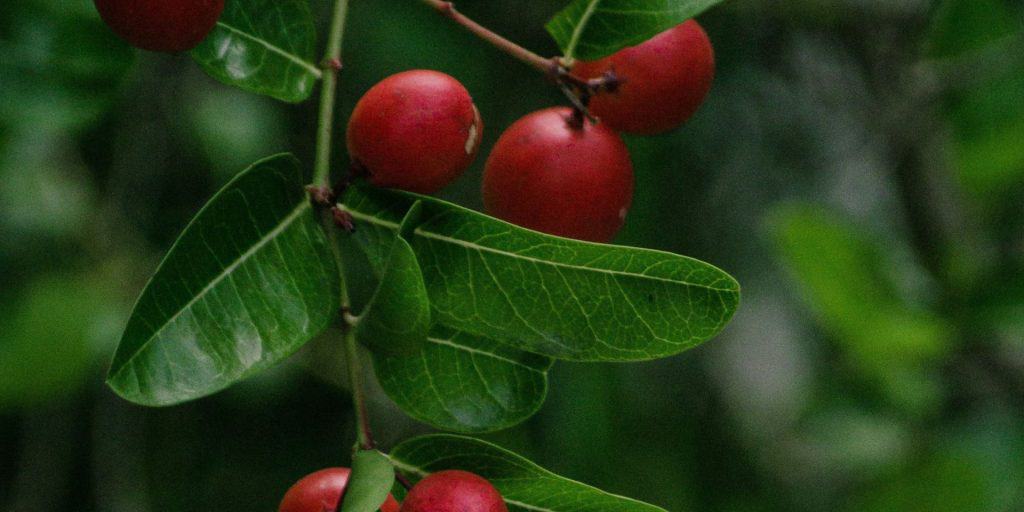
Red Osier Dogwood
Redtwig Dogwood (Cornus sericea) provides striking winter interest with its vibrant red stems, especially prominent after leaf drop. Adapting well to varying soil conditions, it demonstrates good drought tolerance once established, though it appreciates some moisture. Its multi-season appeal makes it a standout NW native plant for any Water-Wise Garden in the Pacific Northwest.
Oregon Grape
Oregon Grape (Mahonia aquifolium) stands out with its architectural, holly-like foliage and bright yellow flower clusters in spring, followed by blue berries. Exceptionally drought tolerant, this is a rugged shrub that adds texture and color even in challenging dry shade spots. It’s a true workhorse among native plants, requiring minimal care.
Salal
Salal (Gaultheria shallon) is an indispensable NW native plant, forming dense, evergreen groundcover. Its leathery leaves and small, bell-shaped flowers are followed by dark berries. This highly drought tolerant shrub suppresses weeds and provides excellent erosion control, making it a practical and attractive solution for many PNW gardens, particularly in Western Oregon.
Native Perennials for Low-Water Landscapes
Camas Lilies
Camas (Camassia species) provide a spectacular display of blue or white flower spikes in spring, transforming meadows into vibrant tapestries. Flourishing in sunny, well-drained spots, these bulbs are remarkably drought tolerant once established, making them perfect for a Water-Wise Garden. They are a delightful addition, bringing early-season charm to any Pacific Northwest garden.
Western Bleeding Heart
Western Bleeding Heart (Dicentra formosa) offers delicate pink, heart-shaped flowers and fern-like foliage, brightening up shady areas. Adaptable and resilient, it thrives in dry shade conditions, making it an ideal choice for woodland-inspired garden design. Its graceful presence makes it a charming, low-maintenance NW native plant.
Penstemons
Penstemons (Penstemon davidsonii) are invaluable for attracting hummingbirds and other pollinators with their vibrant, tubular blooms. Available in various colors and sizes, many species exhibit excellent drought tolerance, thriving in full sun and well-drained soil. They are fantastic drought-tolerant plants, bringing life and movement to your garden throughout the summer dry periods.
Wild Ginger
Wild Ginger (Asarum caudatum) forms a beautiful, low-growing groundcover with heart-shaped leaves, perfect for a naturalistic dry shade garden. Its unusual, maroon flowers are hidden at the base of the plant. This NW native plant is a slow spreader but provides an attractive, maintenance-free carpet, adding a unique texture to the forest floor esthetic in your Pacific Northwest garden.
Trees with Low Water Needs
Pacific Madrone
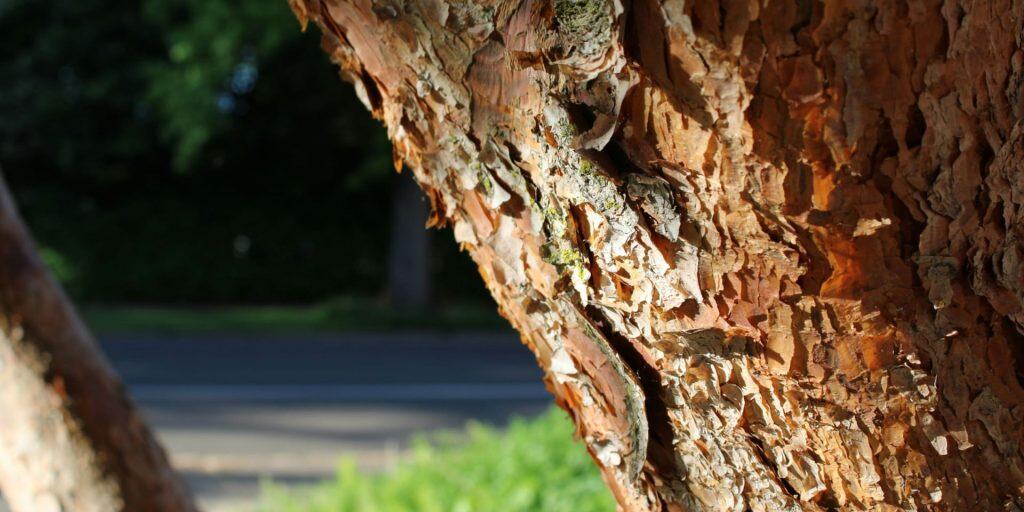
Pacific Madrone (Arbutus menziesii) is a quintessential PNW native plant, recognized by its beautiful peeling bark and glossy evergreen leaves. It exhibits exceptional drought tolerance once established, making it a perfect choice for water-wise garden designs. A truly distinctive tree, it offers year-round visual interest and thrives in the dry summer periods characteristic of the Pacific Northwest.
Garry Oak
The Oregon white oak (Quercus garryana), also known as Garry oak, provides stately, enduring structure for larger properties. Its deep root system allows it to withstand significant water stress, making it a highly drought tolerant species.
Growing slowly but surely, it forms a majestic canopy that contributes greatly to local ecology, supporting numerous species and adding a timeless element to your garden.
Serviceberry
Serviceberry (Amelanchier alnifolia) offers year-round appeal with delicate white flowers in spring, edible berries in summer, and brilliant fall foliage. This versatile tree or large shrub is a resilient NW native, showing good drought tolerance once mature. Its adaptability and multi-seasonal interest make it a valuable addition to any Water-Wise Garden, providing beauty and ecological benefit.
Table: PNW Native Plants for Drought Tolerance
| Plant Type | Common Name (Botanical Name) | Sun Exposure | Water Needs | Features |
|---|---|---|---|---|
| Shrub | Evergreen Huckleberry (Vaccinium ovatum) | Part Sun to Shade | Low | Edible berries, glossy evergreen foliage |
| Shrub | Oregon Grape (Mahonia aquifolium) | Sun to Shade | Low | Holly-like leaves, yellow spring flowers |
| Shrub | Salal (Gaultheria shallon) | Part Sun to Shade | Low | Hardy groundcover, evergreen |
| Tree | Pacific Madrone (Arbutus menziesii) | Full Sun | Low | Peeling bark, evergreen, striking form |
| Tree | Oregon White Oak (Quercus garryana) | Full Sun | Low | Long-lived, wildlife habitat, strong structure |
| Tree | Vine Maple (Acer circinatum) | Part Sun to Shade | Medium-Low | Vibrant fall color and graceful multi-stemmed form |
| Perennial | Camas (Camassia species) | Full Sun | Low | Blue or white spring flower spikes |
| Perennial | Western Bleeding Heart (Dicentra formosa) | Part Shade to Dry Shade | Low | Delicate pink flowers and fern-like foliage |
| Perennial | Penstemon (Penstemon davidsonii) | Full Sun | Low | Attracts pollinators, various flower colors |
Planting Techniques for Maximum Water Efficiency
Digging a Proper Planting Hole
Dig a hole two to three times wider than the root ball, but only as deep as the root ball itself. This width allows roots to spread easily into loosened soil.
Before placing the plants, amend the excavated soil with organic matter to improve soil quality and drainage, giving your native plants the best start. Proper planting minimizes water stress.
Mulching
Applying a generous layer of mulch is a simple yet powerful technique for water conservation. Two to four inches of organic matter spread over the soil surface significantly reduces evaporation, helping the ground retain moisture longer. Mulch also suppresses weeds, which compete for water, and moderates soil temperatures.
Grouping Plants by Their Hydration Needs
Design your garden by grouping plants with similar water requirements together. Place your most drought tolerant species, such as Hairy Manzanita or Ponderosa pine, in the driest zones.
Plants requiring occasional summer watering, like some flowering current varieties, can go in another zone. This strategy, sometimes called hydrozoning, allows for efficient watering, directing water only where it’s needed and maximizing water efficiency in your Pacific Northwest garden.
Native Plant Watering
Establishing New Plants
Even drought tolerant native plants require consistent moisture during their establishment phase, typically their first one to three years. Regular watering encourages deep root growth, allowing them to access soil moisture more effectively later.
Monitor soil moisture closely and adjust watering as needed, especially during summer dry periods. Proper establishment reduces future water stress and sets plants up for long-term health in your Pacific Northwest garden.
Deep and Infrequent Watering
Once established, most NW natives benefit from deep, infrequent watering rather than shallow, frequent sprinklings. Soaking the soil thoroughly encourages roots to grow deeper, making the plant more resilient to dry spells.
Allowing the soil to partially dry out between waterings helps prevent root rot and strengthens the plant’s natural drought tolerance. This method conserves water and promotes robust growth.
Precision Hydration
For maximum water efficiency, consider installing drip irrigation. This system delivers water directly to the plant’s root zone, minimizing evaporation and runoff. Drip irrigation is especially effective for grouped plants with similar water requirements. It offers precise hydration, ensuring your drought tolerant plants receive exactly what they need without waste.
Table: Common Watering Mistakes and Smart Solutions for Native Gardens
| Common Mistake | Negative Impact | Solution | Benefits |
|---|---|---|---|
| Frequent, Shallow Watering | Promotes shallow roots, increases water stress | Water deeply and less often | Encourages deep root growth for drought tolerance |
| Overwatering Established Natives | Causes root rot, wastes water, weakens plant | Allow the soil to dry slightly between waterings | Prevents rot, strengthens plant resilience |
| Watering in Mid-Day Sun | High evaporation, inefficient water delivery | Water during early morning or late evening | Maximizes water absorption, reduces waste |
| Neglecting New Plant Needs | Poor establishment, weak root systems | Water consistently during the first 1-3 years | Builds strong, self-sufficient root structures |
| Not Using Mulch | Rapid soil moisture loss and increased weed growth | Apply 2-4 inches of organic mulch | Retains soil moisture, suppresses weeds, regulates temp |
Design Your Native Garden
Build Permeable Surfaces
Rethink traditional impervious surfaces like large concrete patios or asphalt driveways. Opting for permeable materials, such as gravel, pavers with wide gaps, or decomposed granite, allows rainwater to soak directly into the soil rather than running off.
This increases natural water infiltration, replenishing groundwater and reducing water stress for nearby drought tolerant plants.
Build Rain Gardens
Rain gardens are depressions planted with water-loving native plants that temporarily hold and filter stormwater runoff from roofs or paved areas. They capture and slowly release water back into the ground, preventing it from overwhelming storm drains.
Incorporating a rain garden enhances site water retention and supports local ecology, making it an ecological asset in the Pacific Northwest, especially during our wet season.
Build Hardscaping
Thoughtful hardscaping complements your native plants while minimizing irrigated areas. Patios, pathways, and seating areas can reduce lawn space, which often demands significant water. Use materials that blend with the natural surroundings.
Combining structural elements with drought tolerant species creates an attractive, low-maintenance garden design that withstands summer dry periods and reduces overall water needs.
Nurture Your Native Garden
Minimal Pruning
Most NW native plants thrive with minimal pruning, allowing them to retain their natural shapes and energy. Excessive trimming can stress plants and encourage new, tender growth that is more susceptible to water stress.
Focus on removing only dead, diseased, or crossing branches. This approach supports the inherent drought tolerance of your native plants and reduces ongoing maintenance.
Avoid Over-Fertilization
Drought tolerant native plants are adapted to leaner Pacific Northwest soils and generally do not require heavy fertilization. Over-fertilizing can promote lush, weak growth that needs more water and is less resilient.
Instead, focus on improving soil quality by regularly adding organic matter. Healthy soil microbes naturally provide nutrients, supporting robust root systems capable of withstanding summer dry periods.
Strategic Weeding
Weeds compete directly with your desirable native plants for water and nutrients. Regular, strategic weeding, especially around newly planted drought tolerant species, is beneficial.
A consistent layer of mulch also helps suppress weeds, conserving moisture at the soil surface. Minimizing competition for resources helps your Water-Wise Garden flourish with maximum water efficiency and reduced maintenance in the long term.
Frequently Asked Questions about Drought-Resistant Native Plants
1. Can I really have a colorful garden with only drought-tolerant Pacific Northwest Native Plants?
A vibrant palette is absolutely achievable with NW native plants. Consider the bright blooms of Wild lilacs (Ceanothus species) or the yellow flowers of Ribes aureum to add cheerful hues. Many foliage plants offer diverse textures and shades beyond just flowers.
2. Are there any drought-tolerant native groundcovers suitable for dry shade?
Yes, several NW native plants excel in dry shade conditions. Athyrium filix-femina, a type of fern, can offer delicate texture. Some selections of Pachysandra terminalis (though not native) are often used for dry shade and can be paired with native options for diverse groundcover.
3. Do I need special soil preparation for these drought-tolerant species?
Preparing your soil with organic amendments before planting helps significantly. This improves soil quality, drainage, and water retention, giving your native plants the best chance to establish strong roots. Proper soil preparation reduces water stress down the line.
4. What about plants for coastal areas versus inland areas, like near the Cascade Mountains?
Plants vary in their specific adaptations. Some drought-tolerant species, like Coast Silktassel, are well-suited for coastal conditions. Others, such as those found on the eastern side of the Cascade Mountains, like Ponderosa pine, can handle colder, drier extremes. Always match plants to your specific USDA Hardiness Zone and local climate.
5. Can I use non-native drought-tolerant plants alongside native ones?
Yes, many garden designs effectively blend drought-tolerant species from other Mediterranean climates with Pacific Northwest Native Plants. Examples include certain Australian wattles (Acacia pravissima) or even a well-placed Monterey cypress, provided they are non-invasive and suit your specific microclimate.
Conclusion
A drought-tolerant garden is within reach for your Pacific Northwest home. By choosing resilient native plants and applying smart planting and watering methods, you’ll create a beautiful, water-wise space. Start your garden transformation today with a personalized plan. Book a Free Consultation to begin designing your sustainable oasis.