
Many gardeners face the biggest challenge of working with heavy clay soil and how to amend clay soil without tilling. This isn’t just sticky dirt; its dense soil particles and poor drainage can make gardening frustrating, hindering plant roots and overall soil health. While some consider it poor soil, clay-dominated garden soil can be richer soil with proper care.
The secret to transforming wet clay soils into fertile soil isn’t tilling, which often worsens soil compaction, but rather improving soil structure over time through practical soil improvement methods. The goal is to create loose soil, ideal for healthy plant growth in your garden beds, from flower beds to vegetable gardens, without disturbing the existing layers.
Land & Life Insights
- Confirm your soil type with a squeeze test or professional analysis before amending.
- Prioritize feeding soil microbes with consistent applications of compost and organic mulches.
- Incorporate diverse organic matter like leaf mold and aged manure for long-term soil health.
- Select plants known to thrive in clay soil to boost immediate garden success.
- Improve drainage by creating gentle swales or consider strategic French drains.
- Encourage earthworms; they are nature’s best aerators for dense clay.
- Prevent compaction by avoiding walking on wet garden beds.
- Water deeply and infrequently to encourage strong, deep root growth.
- Utilize drip irrigation or soaker hoses for efficient and targeted watering.
Table of Contents
How to Know What You’re Working With
Before any soil improvement efforts begin, confirming that you indeed have heavy clay soil is the first step. Simply observing your garden soil will provide many clues about its soil type. Knowing the properties of your clay soil will help you choose the right approach for your garden beds.
The Squeeze Test
A simple squeeze test offers immediate insight. Grab a handful of slightly damp garden soil and compress it firmly in your palm. If it forms a tight, cohesive ball that doesn’t crumble easily, you likely have a significant amount of clay particles. Sand particles, by contrast, would result in a gritty, crumbly texture.
If the ball can be rolled into a long, thin ribbon without breaking, it’s a strong indicator of heavy clay. This simple assessment of your basic soil type helps confirm the presence of that challenging heavy clay.
Visual Cues
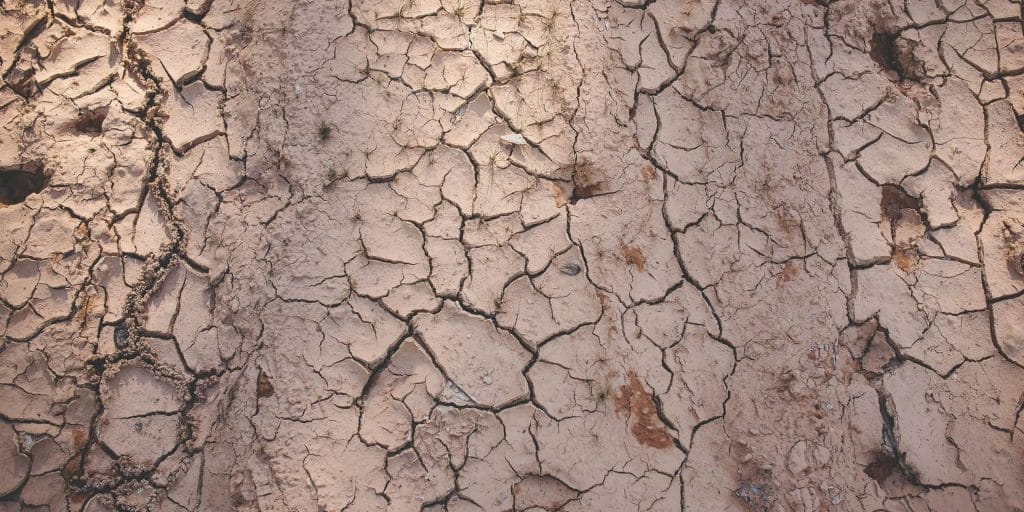
Look at your garden’s surface. Does water pool for extended periods after rain, indicating poor drainage in the clay soil? Are there visible cracks in the dry soil, especially in late spring? Both are classic signs of wet, clay soils. Plants may struggle, showing signs of nutrient deficiencies, or even exhibit shallow roots due to difficulty penetrating the dense soil.
Observing these characteristics can help distinguish between wet soils and other soil types. Also, note if your flower beds or vegetable gardens consistently feel waterlogged.
Professional Soil Testing
For a truly accurate picture of your soil health, a professional soil test is highly recommended. Your local extension office or county extension service can provide guidance on how to collect a sample and where to send it. A comprehensive test reveals not just the soil type and the proportion of clay particles, but also nutrient levels, pH, and the organic matter content.
Knowing the exact composition of your garden soil allows for targeted soil amendment strategies, preventing wasted effort and ensuring you create richer soil that promotes vigorous crop growth. This can highlight if you have acidic soil or other imbalances.

Feed Your Soil Microbes
Amending heavy clay soil without tilling hinges on nurturing the unseen world beneath your feet: the soil microbes. When these microscopic workers thrive, they naturally improve soil structure, creating air pockets and converting organic matter into valuable nutrients. This “no-dig” approach is a gentle yet powerful soil improvement strategy.
Compost Is King; But How Much and How Often?
Applying compost is perhaps the most effective way to enhance soil health. A generous layer of compost, ideally 2 to 4 inches of compost, spread over your garden beds each year, directly feeds soil microbes.
Homemade compost or aged compost provides a slow-release fertilizer effect, improving water retention and aeration in clay particles. Avoid compost mistakes by ensuring your compost piles are well-rotted. Regular applications of compost are far more beneficial than a single large application.
Mulch Magic
Organic mulches play a dual role in transforming heavy clay soil. A deep mulch layer, using materials like wood chips or leaf mold, protects the soil surface from compaction and temperature fluctuations. Below the surface, as these organic amendments break down, they add humus, gradually transforming the soil over time into richer soil.
Wood chips, in particular, attract beneficial fungi that help break down hardpan dirt and improve overall soil health. This mulch strategy mimics forest floors, where natural decomposition constantly enriches the soil.
Cover Crops
Planting cover crops, also known as green manure, is an excellent way to naturally aerate and enrich heavy clay. Their root systems penetrate dense soil, creating channels for air and water. Forage radishes, like daikon radishes, can grow inches deep, breaking up chunks of clay soil and leaving behind organic matter when they decompose.
Winter rye is another excellent choice for late-planted winter wheat beds. The release from cover crops adds significant organic matter and nutrients, enhancing soil fertility and improving crop yields for ornamental crops and vegetable gardens alike. This method also helps prevent soil erosion.
Use Organic Matter
Building rich soil from heavy clay soil requires a consistent, long-term commitment to incorporating diverse organic amendments. Simply adding a single application won’t dramatically alter the soil structure. Instead, think of it as a continuous process of enriching your garden soil, steadily improving its properties over time.
Leaf Mold
Leaf mold, decomposed leaves, is an incredibly valuable mulch and soil amendment for clay particles. Bags of leaves, collected in autumn, can be left to break down into a dark, crumbly material that significantly enhances water retention and soil health.
Spreading a thick layer of leaf mold over your garden beds helps to create a more friable, loose soil, allowing plant roots to grow more freely. This is a natural and free way to add substantial organic matter.
Aged Manure
Aged manure, from sources like animal manure or livestock manure, is a potent organic fertilizer. It supplies a wealth of soil nutrients and beneficial microbes that actively work to improve the soil structure of clay soil. Always opt for aged manure to avoid burning plants with excessive nitrogen release or introducing unwanted weed seeds.
Applying a layer of aged manure to your flower beds or entire planting area before mulching provides sustained fertility, contributing to healthy lawn areas and overall crop productivity.
Wood Chips and Arborist Mulch
Wood chips and arborist mulch are excellent for long-term soil improvement, particularly in areas like paths, around trees, or in permanent beds. They break down slowly, gradually adding organic matter and feeding soil fungi which are vital for creating good soil structure.
While they may temporarily tie up nitrogen as they decompose, this effect is usually minimal with proper application and is outweighed by the long-term benefit of improving soil health. Applied as a deep mulch, they suppress weeds and conserve moisture, gradually turning heavy clay into fertile soil.
Table: Best Organic Amendments for Clay Soil
| Amendment Type | Benefits for Clay Soil | Application Method |
|---|---|---|
| Compost | Improves soil structure, adds nutrients, enhances water retention, feeds microbes. | Top-dress 2-4 inches annually; incorporate into planting holes. |
| Leaf Mold | Creates excellent air pockets, adds organic matter, improves drainage and water holding. | Apply as a deep mulch; mix into topsoil layers. |
| Aged Manure | Boosts fertility, introduces beneficial bacteria, slowly releases nutrients. | Apply a 1-2 inch layer and cover with mulch; mix into new beds. |
| Wood Chips / Arborist Mulch | Slow-release organic matter, prevents compaction, attracts beneficial fungi. | Use as a top layer mulch (3-6 inches); keep away from plant stems. |
| Cover Crops | Roots break up soil and add biomass when tilled in (or left to decompose), prevents erosion. | Sow in off-season; cut down before flowering. |
Choose Clay-Tolerant Varieties
Selecting the right plants is a practical strategy for gardeners dealing with heavy clay soil. Even as you work to improve your soil structure, choosing varieties that naturally tolerate the properties of clay soil ensures immediate success and reduces frustration. Not all plants thrive in wet soils or conditions with poor drainage.
Trees and Shrubs That Thrive in Heavy Soil
Many beautiful plants can flourish in clay-dominated garden soil. For trees, consider birch trees, which can tolerate a range of soil conditions. Red twig dogwood and certain viburnums are excellent shrub choices that handle wet, clay soils well. Selecting these types of soil-tolerant species minimizes the risk of root rot, a common issue in waterlogged soil.
Prioritizing careful plant selection sets your garden up for success, even before significant soil improvement takes hold. A healthy lawn can also benefit from choosing appropriate ground cover species.
Perennials and Groundcovers for Clay Conditions
For herbaceous plants, numerous perennials are well-suited to clay. Astilbe, coneflower (Echinacea), hosta, and daylilies are just a few examples of flower beds that can handle the challenges of clay particles.
Ground cover plants like vinca and creeping phlox also establish well, helping to stabilize the soil and add organic matter as they grow. Opting for plants with robust root systems helps them penetrate the dense soil more effectively, leading to better establishment and overall plant health.
Vegetable Gardens
For many vegetable crops, particularly those that prefer well-drained, loose soil, building raised beds over clay soil offers an immediate solution. Filling these beds with a custom mix of garden soil, compost, and other organic amendments provides an ideal growing environment from day one.
You can bypass the immediate challenges of heavy clay and still enjoy bountiful crop yields. For individual planting holes in existing clay, amend the immediate area with generous amounts of compost to give new plants a strong start. This provides a temporary pocket of richer soil for the air plant roots to expand.
Table: Clay-Tolerant Plants for Washington Gardens
| Plant Type | Examples for Clay Soil | Considerations |
|---|---|---|
| Trees | Birch (Betula spp.), Hawthorn (Crataegus spp.), Red Maple (Acer rubrum) | Choose native or adapted species for Washington; ensure proper planting depth to avoid root rot. |
| Shrubs | Red Twig Dogwood (Cornus sericea), Viburnum (Viburnum spp.), Spirea (Spiraea spp.) | Select varieties with good drainage tolerance; consider mature size for your garden space. |
| Perennials | Hosta, Daylily (Hemerocallis spp.), Coneflower (Echinacea spp.), Astilbe (Astilbe spp.) | Many common garden favorites do well; group plants with similar moisture needs. |
| Groundcovers | Vinca (Vinca minor), Creeping Phlox (Phlox subulata), Pachysandra (Pachysandra terminalis) | Excellent for stabilizing slopes and preventing erosion; choose vigorous spreaders for coverage. |
| Vegetables | Broccoli, Cabbage, Beans, Peas (in raised beds or well-amended plots) | Raised beds filled with amended soil are often the most successful strategy for vegetables in heavy clay. |
Improve Drainage Without Breaking Your Back
Poor drainage in clay soil is a common headache for gardeners, leading to waterlogged soil and unhappy plants. Fortunately, improving drainage doesn’t always require significant excavation or back-breaking labor. Thoughtful design and simple techniques can make a big difference in how your heavy clay soil handles water.
Swales and Berms for Water Management
Shaping your garden beds with gentle contours can dramatically redirect excess water. Swales are shallow depressions designed to capture and slowly disperse runoff, allowing water to soak into the soil over time rather than pooling. Berms, or raised mounds, can elevate planting areas, providing better drainage for plant roots, especially for plants sensitive to wet feet.
These subtle changes to your garden’s topography can significantly improve how water moves through and out of your clay-dominated garden soil, preventing accumulation of water in the soil.
French Drains
For areas with consistent standing water or severely wet clay soils, a basic French drain might be a practical solution. A narrow trench filled with gravel and sometimes perforated pipe, a French drain directs subsurface water away from problematic spots.
It’s a more involved project than surface amendments but offers a robust solution for persistent poor drainage. Even a short, strategic French drain can make a substantial impact on a particularly waterlogged area, allowing for much improved garden soil.
Planting on Slopes to Reduce Runoff
On sloped areas with heavy clay, soil erosion can be a concern. Planting strategically helps. Ground cover plants with spreading root systems stabilize the soil, slowing down water runoff and allowing it more time to infiltrate.
Terracing, even with simple materials, can create flatter planting areas that retain water more effectively on the slope, reducing surface runoff and improving water retention. Careful plant selection here can also benefit from choosing species that thrive on a hill with clay soil, preventing bad ground conditions.
Aerate Naturally
Amending heavy clay soil without tilling relies heavily on natural aeration. Instead of mechanical intervention, we can enlist the help of a bustling underground crew that tirelessly works to improve soil structure. These “unsung heroes” create essential air pockets and pathways for water, transforming dense clay particles into a more hospitable environment for plant roots.
Encourage Earthworm Activity in Your Garden
Earthworms are the ultimate natural aerators. As they tunnel through the soil, they create a network of channels that significantly reduce soil compaction and improve drainage in clay soils. Their castings, a byproduct of their digestion, are packed with soil nutrients and beneficial microbes, enriching the soil over time.
To encourage these diligent workers, consistently add organic matter to your garden soil. Layers of compost, leaf mold, and organic mulches provide both food and habitat, making your garden beds a welcoming home for earthworms and fostering an environment of continuous soil improvement.
Beneficial Insects That Improve Soil Structure
Beyond earthworms, many other soil organisms contribute to a healthy soil structure. Microscopic fungi and bacteria, as well as larger insects, play a role in breaking down organic amendments and creating stable soil aggregates. These larger particles help create a crumbly, loose soil texture.
A thriving soil food web means more activity, leading to better aeration and nutrient availability for plants. Avoiding synthetic chemicals and embracing organic gardening practices supports this entire ecosystem, leading to a richer soil.
Avoid Compaction
Even with all the natural aerators at work, human activity can easily undo their efforts. Soil compaction is the enemy of good soil structure, especially in heavy clay. Walking on wet clay soils, particularly in garden beds, compresses the soil particles, squeezing out precious air pockets and making it even harder for plant roots to grow.
Implement dedicated pathways or use stepping stones to avoid walking directly on planting areas. A broad fork can also be used occasionally to gently loosen the soil without inverting layers, creating aeration holes while minimizing disturbance. This simple habit preserves the hard work of your natural aerators.
How to Hydrate Clay Soil Effectively
Watering heavy clay soil presents a unique challenge. Its dense nature means water penetrates slowly, but once absorbed, the clay particles hold onto moisture tenaciously. Proper watering techniques are essential to prevent waterlogged soil and root rot, ensuring your plants receive the right amount of water without detrimental effects.
Deep and Infrequent Watering
Instead of frequent, shallow sprinklings, focus on deep, infrequent watering. Applying water slowly allows it to gradually percolate through the dense soil structure, reaching deeper plant roots. This encourages roots to grow downward, making plants more resilient to dry spells once established.
Shallow roots are a common problem in clay soil that is watered too often and too lightly. When watering, consider how many inches of soil your plants truly need to be moist, aiming for consistent moisture without saturation.
Drip Irrigation and Soaker Hoses
Drip irrigation systems and soaker hoses are excellent tools for hydrating clay-dominated garden soil efficiently. They deliver water directly to the root zone, minimizing runoff and evaporation, which is especially beneficial for garden beds and flower beds.
This method ensures that water slowly seeps into the soil, preventing surface pooling and maximizing absorption by clay particles. Precision hydration reduces water waste and ensures that your plants receive consistent moisture without overwhelming the soil’s drainage capacity.
Monitor Soil Moisture
Knowing when to water is as important as knowing how. Stick a finger a few inches deep into the soil to check for moisture. If it feels cool and damp, you can likely wait. A moisture meter can also provide an accurate reading of the water content in your garden soil.
Overwatering is a common cause of issues like root rot and can contribute to nutrient deficiencies in heavy clay, as waterlogged conditions deplete oxygen. Adjusting your watering schedule based on actual soil moisture, rather than a fixed routine, leads to healthier plants and improved soil health.
Frequently Asked Questions About How to Amend Clay Soil Without Tilling
1. Will adding sand to clay soil create loamy soil?
Adding sand to clay soil usually creates a material resembling concrete, not a desirable loamy soil. The sand particles fill the existing air pockets within the clay, leading to increased compaction rather than improved drainage. Focus instead on incorporating bulky soil amendments like compost to genuinely improve soil structure.
2. What is the primary benefit of clay soil, despite its challenges?
The primary benefit of clay soil lies in its high nutrient-holding capacity and excellent water retention once hydrated. The small size of clay particles means they have a large surface area, allowing them to bind well to nutrients and water. This inherent fertility makes it a rich soil type once its physical properties are improved.
3. Can gypsum (calcium sulfate) help amend heavy clay soil?
Gypsum, or calcium sulfate, can be beneficial for certain types of clay soil, specifically those that are sodic or Salt-affected Soils, as it helps displace sodium and improve flocculation. However, for most heavy clay soils that are not sodic, its effect on soil structure is minimal. It’s not a universal fix, and a soil fertility study can confirm if your soil would benefit from gypsum, as it’s not a general fertilizer guide.
4. Is peat moss a good amendment for clay soil?
Peat moss can hold water and break down slowly, but it does little to improve the long-term soil structure of heavy clay. It can also be acidic and contribute to pH-induced nutrient deficiency for some plants. There are more sustainable and effective organic amendments like compost and leaf mold that offer better benefits for soil health and aeration.
5. What are some examples of robust plants for beds in clay soil?
Many plants can thrive in clay, especially after some soil improvement. Consider resilient choices such as hostas and daylilies for flower beds. For shrubs, think about varieties like common lilac or certain spireas that handle heavy soil well, leading to beautiful plants and successful beds in clay soil.
6. How do compost analyses help improve soil for crop growth?
Compost analyses provide detailed information about the nutrient content and maturity of your compost, allowing for more precise applications. Knowing the nutrient profile, such as recommendations for nitrogen release, helps gardeners tailor their compost use to specific crop needs, ensuring optimal crop productivity and avoiding nutrient deficiencies in plants.
7. Beyond traditional gardening, how does soil quality relate to other outdoor areas like lawns or animal runs?
Soil quality is just as vital for other outdoor areas. For a healthy lawn, good soil structure prevents a bumpy lawn and ensures proper drainage, reducing grower costs by minimizing the need for excessive fertilization. For a chicken run dirt area, good drainage and a base of loose dirt can prevent mucky conditions and provide a healthier environment for the animals.
Conclusion
Transforming heavy clay soil into a thriving garden is a rewarding journey. By consistently applying organic amendments, choosing clay-tolerant varieties, and watering wisely, you’ll see remarkable improvements in your soil structure and plant health. Start creating your personalized plan today. Ready for a discussion about your garden’s unique needs? Book a Free Consultation