
Summer in Washington brings dry conditions, presenting a significant challenge for garden vitality. Effective lawn care and the flourishing of summer plants during this period depend on strategic feeding. Vigorous root growth is important for plant resilience against heat. Implementing drought-friendly fertilization hacks is one way to deal with this insufficiency.
Superior soil quality supports water retention and efficient nutrient delivery. Using natural fertilizers offers sustainable nourishment, helping drought-tolerant plants, warm-season grasses, and container plantings thrive and conserve moisture through the warmer months.
Table of Contents
Land & Life Insights
- Reduce summer fertilization frequency; less is often more for stressed plants.
- Select slow-release, low-nitrogen fertilizers for efficient nutrient use.
- Always deep water after fertilizing to move nutrients to the root system.
- Incorporate organic matter like compost to boost soil’s water retention.
- Apply mulch around plants to conserve soil moisture.
- Pause fertilization during extreme heat or when plants show signs of stress.
- Use root stimulators on new plantings to promote strong root growth.
- Consider temporary shade for vulnerable new summer plants in intense sun.
- Explore natural fertilizers and organic boosters for long-term soil quality.
- Choose drought-tolerant plants and efficient irrigation systems for lasting resilience.
Rethink Your Summer Fertilization Schedule
Less is Often More in Dry Conditions
During Washington’s dry summer stretches, dialing back fertilizer applications benefits plants. Overfeeding can force excessive root growth at a time when water is scarce, stressing root systems instead of strengthening them.
Less frequent, targeted applications of natural fertilizers allow drought-tolerant plants and warm-season grasses to conserve energy for survival, rather than fueling rapid top growth that demands more water. This approach supports resilient lawn care through the heat.
Optimal Timing for Washington’s Climate
Fertilization timing greatly impacts plant health. Applying nutrients just before significant heatwaves can harm, not help. Instead, consider feeding early in the summer, or wait until cooler, moister periods in late summer or early fall.
This reduces the risk of nutrient burn and optimizes absorption for summer plants, especially those in container plantings. Proper timing minimizes stress on the plant metabolism.
Signs Your Plants Need a Nutrient Break
Observing plant behavior provides clear signals. Drooping leaves, wilting, or a dull appearance often indicate water stress, not necessarily a nutrient deficiency. Fertilization under such conditions can exacerbate drought stress.
Monitor soil temperatures; excessively high temperatures can also make plants less receptive to feeding. Allowing a plant to recover from heat or water stress before considering a gentle application supports its natural defense mechanisms.

Fertilizers That Thrive in Dry Spells
Slow-Release Formulations
Selecting fertilizers designed for gradual nutrient delivery proves highly advantageous in arid conditions. Slow-release formulations provide a steady food supply over weeks or months, minimizing the need for frequent watering often associated with nutrient uptake.
Root systems receive consistent nourishment, promoting deeper root growth that aids water absorption for drought-tolerant plants. Such products are particularly beneficial for lawn care and warm-season grasses, reducing stress during dry periods.
Low-Nitrogen Options
High-nitrogen fertilizers encourage rapid top growth, demanding more water for hydration. Instead, choosing low-nitrogen options supports balanced development and reduces water consumption, making them ideal for summer plants facing dry spells.
A balanced nutrient profile still promotes healthy root growth without excessive foliage, benefiting overall plant resilience. Less active foliage requires less water, a critical factor in sustainable gardening.
Organic Fertilizers
Natural fertilizers like compost tea or homemade fish emulsion can significantly improve soil quality. These options enhance the soil’s capacity to retain moisture and supply nutrients gradually, directly benefiting root systems.
Organic matter also introduces beneficial microbes that aid nutrient cycling. For container plantings, organic choices reduce leaching and create a healthier environment, contributing to the long-term vigor of plants even under reduced watering schedule conditions.
Precision Nutrient Delivery
Granular Versus Liquid Application
Choosing between granular and liquid fertilizers during dry spells impacts effectiveness. Granular products work best when watered into the soil thoroughly, dissolving slowly to reach the root systems.
Liquid fertilizers, conversely, offer quick absorption but can evaporate before reaching roots if applied to dry soil. For drought-tolerant plants and lawn care, granular options paired with proper post-application watering often prove more efficient, minimizing waste.
Deep Watering After Fertilization
Immediate, deep watering after applying any fertilizer is non-negotiable in dry conditions. Water carries nutrients down to the root growth zone, preventing them from sitting on the surface where they can burn foliage or evaporate.
A thorough deep watering method ensures that nourishment becomes available to the root systems, fostering plant vigor without encouraging shallow root development. This practice is particularly beneficial for warm-season grasses and summer plants.
Nutrient Runoff and Waste
Careful application prevents valuable nutrients from washing away, especially on sloped areas or during periods of heavy rain after dry spells. Applying smaller amounts more frequently, rather than a single large dose, allows the soil quality to absorb nutrients effectively.
Avoiding over-application around container gardens also minimizes waste. Employing precise application techniques conserves resources and protects local waterways from excess fertilizer.
Table: Fertilizer Application Cheat Sheet for Dry Spells
| Fertilizer Type | Application Method | Benefits in Drought | Caution in Dry Conditions |
|---|---|---|---|
| Slow-Release Granular | Spread evenly, water deeply | Consistent nutrient delivery, less frequent application | Requires initial deep watering to activate |
| Liquid Concentrates | Dilute, apply at root zone | Quick absorption for stressed plants | High evaporation risk if applied to dry foliage or hot soil |
| Organic Fertilizers | Soil incorporation, top-dress | Improves soil quality and water retention over time | Slower nutrient release, requires microbial activity |
| Root Stimulators | Water in at planting/stress | Encourages deep root growth for water access | Not a fertilizer, only aids root development |
| Compost Tea | Drench soil at root systems | Gentle nutrient boost, enhances soil biology | Best applied in cooler parts of the day to prevent evaporation |
Change Your Soil to Hold More Water
Compost for Moisture Retention
Adding rich organic matter like compost fundamentally improves soil quality. Compost acts like a sponge, significantly increasing the soil’s capacity to absorb and hold water, making it indispensable for drought-tolerant plants.
Increased moisture retention directly supports robust root systems and deeper root growth, allowing plants to access water more efficiently, even with a reduced watering schedule. This practice forms the bedrock of resilient lawn care.
Mulching to Conserve Soil Water
Applying a layer of mulch around summer plants, container gardens, and even warm-season grasses is a powerful water-saving strategy. Mulch reduces evaporation from the soil surface, moderating soil temperatures and suppressing weeds that compete for moisture.
Mulched clippings can also be used, slowly breaking down to add more organic matter. This simple technique keeps soil cooler and moister, directly benefiting root growth.
Soil Testing for Targeted Improvement
Accurate soil testing provides precise insights into nutrient levels and soil quality, guiding more effective fertilization. Knowing your soil’s composition helps in applying natural fertilizers judiciously, preventing wasteful over-application.
Targeted adjustments, informed by test results, promote healthier root systems and overall plant vigor, which translates to better drought resistance for all plant types, from ground covers to trees.
Know When to Stop Fertilization
Plant Dormancy Periods
Many summer plants, including some warm-season grasses like Bermuda grass, enter a period of dormancy during extreme heat. Growth slows significantly, and plants conserve energy rather than actively absorbing nutrients.
Fertilizing dormant plants offers no benefit and can cause stress. Observing changes in foliage color or growth rate helps identify dormancy, signaling a time to pause your watering schedule and fertilization efforts.
Heat Stress and Nutrient Burn
Signs of heat stress, such as wilting, drooping, or leaf scorching, indicate a plant is struggling to cope with high soil temperatures and limited moisture. Applying fertilizer to stressed plants can lead to nutrient burn, damaging root systems.
Yellowing leaf tips or browned edges might signal nutrient burn, a problem exacerbated by dry conditions. Prioritize hydration before considering any feeding for drought-tolerant plants.
Water Restrictions
Water restrictions mean reduced moisture for nutrient transport to the root growth zones. Applying too much fertilizer when water is scarce concentrates salts in the soil, making it harder for root systems to absorb what little water is available.
This can severely harm lawn care and container plantings. Adjusting your fertilization plan during water limitations prevents waste and protects plant health, aligning with water-saving strategies.
Table: Summer Plant Drought & Nutrient Stress Checklist
| Symptoms | Likely Cause | Action | Avoid (in dry conditions) |
|---|---|---|---|
| Wilting or drooping leaves | Water stress | Deep watering method, temporary shade | High-nitrogen fertilizers, excessive sun exposure |
| Yellowing lower leaves | Possible nutrient deficiency | Gentle Natural Fertilizers (if not stressed) | Overwatering (if already saturated), strong fertilizers |
| Brown or scorched leaf tips/edges | Nutrient burn or severe heat | Flush soil with water, reduce fertilizer | Immediate re-fertilization, high salt fertilizers |
| Stunted or slow root growth | Poor soil quality and compaction | Add organic matter and aerate gently | Heavy foot traffic and excessive nitrogen |
| Leaves turning dull/grayish | Heat or drought stress | Provide shade, mist foliage lightly (early AM) | Fertilizing, especially if plants appear dormant |
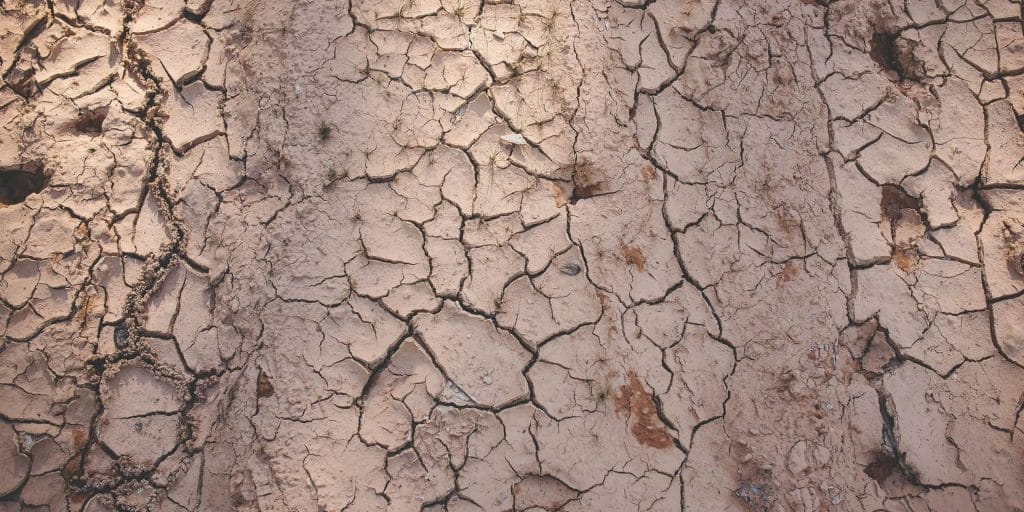
| Cracking soil cracks | Extreme dryness | Apply mulch, adjust watering schedule | Allowing prolonged soil dryness without intervention |

Protecting New Plantings During Hot Summers
Gentle Feeding for New Plantings
Newly planted summer plants, native plants, and freshly laid lawns require a delicate approach to fertilization, particularly in warm weather. Over-powering young root systems with strong nutrients can hinder their establishment.
Opt for very diluted natural fertilizers or wait until cooler temperatures prevail. Allowing new root growth to develop naturally without excessive chemical stimulation helps create resilient plants adapted to their environment.
Root Stimulators for Deeper Growth
Promoting robust root growth is paramount for new plantings facing summer heat. Root stimulators, unlike traditional fertilizers, encourage the development of extensive root systems, enabling plants to search deeper for moisture and nutrients.
Applying root stimulators helps drought-tolerant plants and container plantings establish quickly and more effectively, reducing reliance on frequent surface watering. A strong foundation below ground makes a significant difference.
Temporary Shade for Vulnerable Areas
Even with careful feeding and established root growth, intense summer sun can overwhelm young plants. Temporary shading, using frost cloth or shade structures, protects delicate foliage and reduces soil temperatures.
Reduced sun exposure lessens water evaporation from leaves, easing the burden on newly developing root systems. Providing shade complements proper fertilization, allowing new additions to thrive without undue stress.
Use Organic Soil Boosters
Humic Acid for Nutrient Uptake
Humic acid, a natural component of rich organic matter, significantly increases a plant’s ability to absorb nutrients. It chelates minerals, making them more available to root systems, even in less-than-ideal soil quality.
For drought-tolerant plants and summer plants, improved nutrient uptake means more efficient use of applied natural fertilizers and existing soil resources. Greater nutrient efficiency lessens the impact of reduced watering schedules during dry spells.
Mycorrhizal Fungi for Root Expansion
Mycorrhizal fungi form a symbiotic relationship with plant root systems, extending their reach far beyond what roots alone can achieve. These microscopic allies effectively expand the absorption area for water and nutrients, proving invaluable for root growth in challenging conditions.
Introducing mycorrhizae benefits all types of plantings, from native plants to container gardens, bolstering their resilience and reducing reliance on frequent irrigation.
Cover Crops for Long-Term Soil Health
Growing cover crops, especially during off-seasons or in fallow beds, enriches soil quality by adding substantial organic matter. As they decompose, cover crops improve soil structure, enhancing its water-holding capacity and aeration.
This long-term strategy supports healthier root growth for subsequent summer plants and warm-season grasses. Increased organic matter in the soil ultimately reduces the need for frequent fertilization and watering, aligning with water-saving strategies for sustainable Lawn Care.
Smart Strategies for Long-Term Resilience
Drought-Tolerant Plants
Choosing drought-tolerant plants forms the foundation of a resilient garden. Opting for native plants or varieties known to thrive with minimal water drastically reduces future watering schedule demands.
Consider ground covers, succulents, or specific grass varieties like Bermuda grass that naturally endure dry spells. Thoughtful plant selection significantly decreases reliance on frequent irrigation and excessive fertilization, making summer gardening easier.
Water-Wise Irrigation Systems
An efficient irrigation system conserves water while ensuring plants get what they need. Employing a smart controller and moisture sensors can optimize watering, delivering water directly to root systems based on actual plant needs and soil temperatures.
Upgrading to a self-watering system or using Olla watering pots for container gardens also minimizes waste. These technologies support healthy root growth without overwatering, a true water-saving strategy.
Continuous Soil Improvement
Building healthy soil quality is an ongoing process that pays dividends in drought resistance. Consistently incorporating organic matter through composting or leaving mulched clippings on lawns improves water retention and nutrient availability.
Better soil means stronger root systems that can withstand stress, reducing the need for aggressive fertilization. Investing in soil health now ensures your garden’s resilience for many dry Washington summers to come.
Frequently Asked Questions about drought-friendly fertilization
1. How can I manage pests on my plants when I’m reducing fertilization and watering?
Less vigorous plants can sometimes be more susceptible to pest outbreaks. Employing Integrated Pest Management techniques, such as companion planting or using eco-friendly DIY garden hacks like Neem Oil spray or Garlic spray, helps deter common garden invaders without harsh chemicals. Introducing beneficial insects also contributes to natural pest control.
2. Are there specific plants or lawn types that are naturally more resilient to drought conditions?
Yes, selecting drought-tolerant landscaping choices makes a significant difference. Consider specific grass varieties like St. Augustine or a clover lawn, which often require less water than traditional turf. Many foliage plants, like ZZ plants or Snake plants, are excellent choices for dry areas or container gardens.
3. Beyond fertilizer adjustments, what other tools help conserve water in a summer garden?
Several tools enhance water-saving strategies. Investing in an efficient irrigation system with advanced irrigation technology can minimize waste. Additionally, incorporating rain barrels to collect rainwater provides a sustainable source for your garden. For individual plants, using self-watering ollas or terracotta vessels helps deliver water directly to the roots.
4. How can raised garden beds contribute to drought-friendly gardening?
Raised garden beds allow for superior control over soil quality, which can be amended to maximize water retention. They also enable precise watering, minimizing runoff, and can be easier to mulch effectively, further reducing evaporation. Choosing the right plant spacing in these beds also optimizes water usage.
5. What are some natural ways to improve soil structure to better handle dry spells?
Incorporating rich organic matter is the best long-term solution. Beyond that, consider methods that prevent soil cracks and compaction, allowing water to penetrate deeply. Even small changes can dramatically improve the soil’s ability to hold moisture for plants.
6. Can hardscaping elements play a role in a drought-friendly garden design?
Yes, strategically placed hardscaping elements can reduce the overall area requiring irrigation, decreasing the garden’s water demand. They can also define spaces for drought-tolerant plants and complement water-wise landscaping designs. Patios, pathways and decorative stone areas all contribute to a low-maintenance, water-efficient garden.
7. Is it possible to revive a struggling lawn after a prolonged dry period without excessive water?
Recovery requires patience and a gentle approach. Instead of immediate heavy watering, opt for a deep watering method sparingly to encourage deep root growth. Avoid applying harsh chemicals like ammonium phosphate directly to stressed grass. Focus on improving soil quality and waiting for more favorable conditions, as some grass varieties have natural dormancy mechanisms that allow them to rebound.
Conclusion
Taking control of your garden’s summer resilience starts now. By implementing these drought-friendly fertilization hacks and adjusting your watering schedule, you empower plants to thrive with less. Craft a personalized strategy for your Lawn Care and Summer Plants to build enduring root systems that conquer dry spells.
Ready to create your custom plan? Book a Free Consultation today!