Gardens across the Pacific Northwest offer unique opportunities for beauty and sustainability. Adding native plants, particularly Pacific Northwest native ferns, can improve outdoor spaces. These remarkable fern species thrive naturally here, adapting to local conditions. Western Sword Fern, the charming Deer Fern, or the delicate Western Maidenhair Fern; each contributes distinct texture and form.
For woodland gardens or a tranquil shade garden, these selections require minimal intervention. Their ability to flourish with regional rainfall, even offering some drought tolerant qualities once established, makes them a practical choice for a thriving garden that reflects local ecology.

Table of Contents
Land & Life Insights
- Native ferns offer sustainable beauty and adaptability for Pacific NW Native Ferns gardens.
- Proper fern selection depends on matching the fern species to your garden’s specific light and moisture conditions.
- The Western Sword Fern provides robust, evergreen structure and excels in erosion control.
- Deer Fern creates a compact, evergreen groundcover, preferring moist, acidic soil.
- Western Maidenhair Fern requires consistent moisture and humidity to maintain its delicate deciduous fronds.
- Lady Fern offers remarkable adaptability, rapidly filling woodland spaces with fine, deciduous texture.
- Western Red-backed Fern thrives epiphytically on rocks and trees, tolerating drier periods.
- Ostrich Fern creates dramatic verticality, demanding consistent moisture and rich soil.
- Spiny Wood Fern is a reliable semi-evergreen choice, tolerant of drier shade garden conditions.
- Coastal Wood Fern provides long-lived, dark green evergreen structure, ideal for cooler, moist sites.
1. Western Sword Fern
The Western Sword Fern (Polystichum munitum) stands as a cornerstone among native plants for Pacific Northwest Native Ferns garden designs, offering unmatched adaptability and visual presence. A truly robust native species, it’s a prime choice for garden inclusion.
Thrives in Deep Shade to Partial Sun Conditions
It flourishes robustly across a wide spectrum of light, from deep shaded garden corners to areas with brighter partial sun. Its adaptability makes it ideal for various settings. Even beneath dense tree canopies, it shows remarkable resilience, providing lush greenery where other plants might struggle.
Maintains Year-Round Evergreen Foliage
A significant asset is its consistent evergreen foliage, providing vibrant green color and structural integrity throughout every season. The leathery fronds of the sword fern withstand winter’s chill, offering a welcome sight. In woodland gardens, its year-round appeal forms a reliable backdrop for other plantings.
Achieves Substantial Clumping Growth
Plants form large, visually impactful clumps, creating excellent ground cover. Individual fronds reach impressive lengths, contributing significant texture and bold form to designs. A mature Polystichum munitum clump often gracefully dominates its space, providing a sense of establishment and natural beauty.
Controls Erosion
Beyond esthetics, the species excels in practical applications. Its dense, fibrous root system makes it highly effective for erosion control on sloped areas, binding soil firmly. Western Sword Fern establishes a robust, attractive understory layer, suppressing weeds. Adding organic matter and leaf mulch further enhances its soil-stabilizing capabilities.
2. Deer Fern
The Deer Fern (Blechnum spicant or Struthiopteris spicant) adds distinct elegance to Pacific Northwest Native Ferns garden designs. As a charming native plant, it brings subtle beauty to shaded areas with its unique form.
Adapts to Moist, Acidic Soil
Deer Fern truly thrives in consistently moist, acidic soil conditions, mimicking its natural woodland garden habitat. A well-drained site with ample organic matter promotes vigorous growth. Amending heavier soils with compost or peat moss helps create the ideal environment for this delightful fern species, preventing root rot and supporting healthy establishment.
Fertile vs. Sterile Fronds
A unique characteristic of the deer fern involves its two distinct frond types. Sterile fronds lie flat, forming a low, leafy rosette, providing much of its groundcover appeal. Erect, taller fertile fronds, appearing later in the season, stand vertically and bear the spores. Recognizing both forms enhances appreciation for the fern’s life cycle and visual interest.
Provides Compact, Evergreen Groundcover
Deer fern offers a superb, compact, evergreen groundcover solution for shaded areas. Its low, spreading habit creates a dense mat of rich green foliage, effectively suppressing weeds. Placing it in shade garden settings helps define boundaries or fill in beneath taller specimens. The consistent greenery provides year-round visual interest and a neat appearance.
Ideal for Edges and Smaller Shade Pockets
Due to its moderate size, Blechnum spicant excels when planted along path edges, at the base of trees, or within smaller shade pockets. Its contained growth habit prevents it from overwhelming delicate companion native plants. Consideration of its eventual spread informs its ideal placement within a cohesive design, adding subtle charm without demanding excessive space.
3. Western Maidenhair Fern

The Western Maidenhair Fern (Adiantum aleuticum, also known as Adiantum pedatum or five-finger fern) adds unparalleled grace to Pacific Northwest Native Ferns garden designs. Its airy texture makes it a prized native plant.
Requires Consistent Moisture
Achieving optimal growth for the maidenhair fern hinges on providing consistently moist, yet perfectly drained, soil. Mimicking its natural riparian habitat, a site with rich organic matter helps retain moisture without waterlogging. Saturated winter conditions are detrimental, helping prevent fern die-off.
Distinctive Black Stems and Fan-Shaped Fronds
The visual allure of the Western Maidenhair Fern is undeniable. Delicate, fan-shaped fronds emerge atop striking, wiry black stems, creating beautiful contrast. Its unique structure, often called five-finger maidenhair, forms graceful tiers. Each frond appears to float, adding an ethereal quality.
Ideal for Protected, Humid Garden Nooks
Locating the Adiantum aleuticum in sheltered, humid garden nooks maximizes its potential. Placing it within a protected, shaded garden spot, shielded from strong winds or direct afternoon sun, prevents scorching. Its moisture needs make it suitable for moist woodland settings where humidity lingers.
Seasonal Colors
Unlike some evergreen shrubs, the Western Maidenhair Fern is a deciduous species, offering a delightful seasonal display. Its vibrant green foliage brightens spring and summer, turning golden before gracefully receding in autumn. This natural cycle contributes dynamic seasonal interest to a woodland garden.
4. Lady Fern
The Lady Fern (Athyrium filix-femina), often called the common lady fern, truly masters garden spaces among Pacific Northwest Native Ferns due to its versatility. A resilient native plant, it adapts gracefully.
Flourishes in a Broad Range of Conditions
A remarkable attribute of the Lady Fern is its tolerance for varied growing conditions. It thrives equally well in dappled sunlight or deep shade garden environments. Regarding soil, it adapts to rich loams or heavier clay, provided drainage is adequate. Adding organic matter generally improves soil structure.
Finely Dissected, Deciduous Frond Texture
Athyrium filix-femina showcases a finely dissected, almost lace-like frond texture. Its elegant, feathery appearance adds softness and movement. Being a deciduous fern species, its bright green fronds emerge vividly in spring, providing lush cover through summer, then gracefully fade.
Rapidly Colonizes Moist, Woodland Settings
Lady Fern possesses a vigorous, spreading habit, allowing it to rapidly colonize moist, open woodland settings. Its rhizomatous growth makes it an excellent choice for naturalizing areas or quickly filling empty spaces in a woodland garden. Adequate moisture supports large, lush colonies.
Lush-Filler in Mixed Plantings
Garden designers frequently employ Lady Fern as a lush filler within mixed plantings. Its ability to grow fairly tall yet maintain an airy appearance makes it superb for bridging gaps between shrubs and smaller perennials. Use it to soften hard edges or provide a verdant backdrop, letting other plants shine.
5. Western Red-backed Fern
The Western Red-backed Fern (Polypodium hesperium), a distinctive addition to Pacific Northwest Native Ferns collections, offers unique character. A resilient native plant, its unusual growth habit sets it apart for specialized garden designs.
Prefers Rock Crevices and Mossy Trees
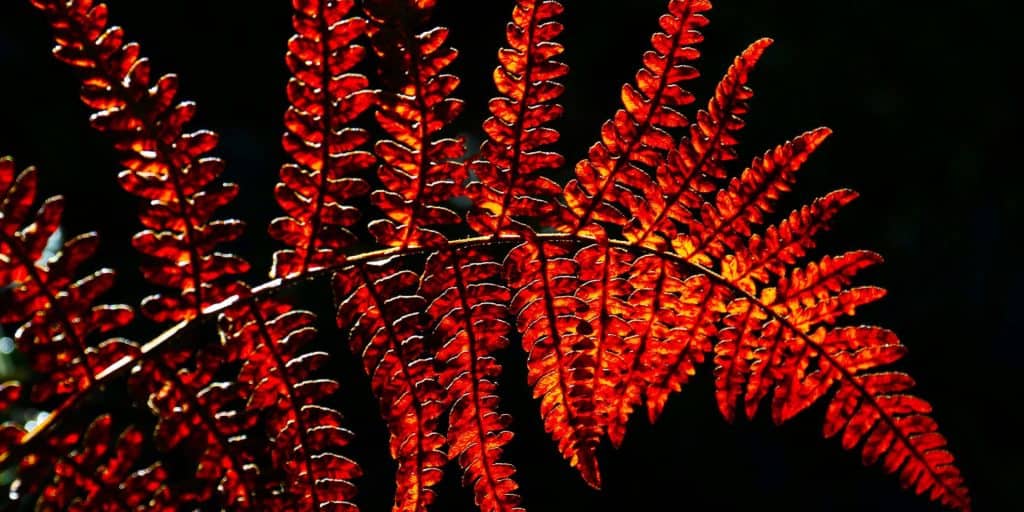
Unlike many terrestrial ferns, the Western Red-backed Fern often displays epiphytic tendencies. It thrives by rooting into shallow pockets of debris within rock crevices, on moss-covered boulders, or directly on mossy tree trunks. Mimicking these natural perches creates ideal conditions, especially in woodland gardens.
Survives Periods of Dryness
A notable feature of the Western Red-backed Fern is its impressive resilience to dry spells. Possessing thick, somewhat leathery fronds, it conserves moisture, allowing it to survive periods of dryness. During drought, fronds may curl to reduce water loss, then unfurl with renewed moisture. Its drought tolerant qualities are practical.
Unique Scale and Texture
The moderate size and distinctive texture of the Western Red-backed Fern provides unique visual scale against hardscape elements. Its dark green, somewhat stiff fronds contrast beautifully with stone walls, decorative boulders, or weathered wood. Utilizing it to soften architectural lines creates captivating focal points in a shaded garden or rockery.
Use in Garden Design
Despite its smaller stature, this evergreen fern possesses mighty design potential for specialized garden areas. Its compact, clumping form and consistent green presence year-round make it perfect for confined spaces, vertical gardens, or as an accent plant. A resilient member of native plants, it adds enduring character.
6. Ostrich Fern
The Ostrich Fern (Matteuccia struthiopteris) offers a dramatic, architectural presence in Pacific Northwest Native Ferns garden designs. As a stately native plant, it brings significant verticality and lush texture.
Demands Consistent Moisture and Rich Soil
Achieving the magnificent stature of the Ostrich Fern requires consistently moist, even wet, soil conditions. It flourishes in rich, loamy soil, often found in its natural wetland habitats. Incorporating generous organic matter or composted wood chips dramatically improves soil fertility and water retention.
Produces Striking, Vase-Shaped Deciduous Clumps
A signature characteristic of the Ostrich Fern involves its elegant, vase-shaped growth habit. Its tall, sterile fronds emerge in a graceful, upright fountain-like display, creating a striking focal point. Being a deciduous fern species, its bright green foliage provides lushness through warmer months, then dies back in autumn.
Edible Fiddleheads
A unique culinary delight, the coiled young fronds, known as fiddle heads, emerge in early spring from the Ostrich Fern. Harvesting should occur when tightly curled and about 4-6 inches tall, before they unfurl. Proper harvesting involves taking only a few per plant to ensure continued health.
Dramatic Verticality in Garden Designs
The impressive height of the Ostrich Fern makes it unparalleled for adding dramatic verticality to wetland-inspired or boggy garden areas. Its columnar form contrasts beautifully with lower-growing native plants, creating depth. Placing it in a naturalistic shade garden near a pond or stream highlights its grand stature.
7. Spiny Wood Fern
The Spiny Wood Fern (Dryopteris expansa) offers exceptional reliability for various Pacific Northwest Native Ferns garden designs. Its robust nature makes it a valuable native plant for challenging areas.
Can Tolerate Drier Conditions
A significant advantage of the Spiny Wood Fern is its impressive tolerance for drier conditions once established. Unlike many moisture-loving fern species, it adapts well to less consistently wet soils. Drought tolerant qualities mean reduced watering demands, a practical benefit for efficient gardening in its natural habitat.
Maintains Semi-Evergreen to Evergreen Presence
Dryopteris expansa typically maintains a semi-evergreen to fully evergreen presence, depending on winter severity. In milder climates, its fronds persist, providing greenery through colder months. Even if some fronds brown, fresh ones quickly emerge in spring, ensuring continuous visual interest in the shade garden year-round.
Coarse Texture with Broad, Triangular Fronds
The Spiny Wood Fern boasts a distinctly coarse texture due to its broad, triangular, and somewhat leathery fronds. Its robust appearance contrasts beautifully with finer-textured plants, adding depth and visual weight to plantings. Bold fronds lend a strong, established feel, making it an excellent anchor plant.
For General Shade Garden Fill
For gardeners seeking a dependable fern species to fill broad areas in a shade garden, the Spiny Wood Fern is an excellent option. Its relatively quick growth and ability to form substantial clumps allow it to create a dense, verdant carpet. Its reliability and ease of use make it a go-to for consistent, attractive coverage.
8. Coastal Wood Fern
The Coastal Wood Fern (Dryopteris arguta), a less common but highly rewarding fern species, brings architectural elegance to Pacific Northwest Native Ferns garden designs. A robust native plant, it provides dignified structure.

Thrives in Cooler, Moist Coastal Forest Environments
The Coastal Wood Fern flourishes best when its growing conditions mimic its natural habitat: cooler, consistently moist coastal forest environments. It prefers dappled shade and rich, humus-filled soil. Amending planting sites with generous organic matter helps achieve the ideal moisture and drainage balance, ensuring healthy establishment.
Leathery, Dark Green Evergreen Structure
A defining characteristic of the Coastal Wood Fern involves its leathery, dark green, and notably stiff fronds. Unlike softer ferns, its texture provides a strong, almost sculptural, presence. Maintaining an evergreen structure throughout the year, it offers reliable visual weight during all seasons. Its deep color is an excellent backdrop in a shade garden.
Slower-Growing, but Long-Lasting
Unlike some faster-spreading native plants, the Coastal Wood Fern is a slower-growing species. It forms compact, elegant clumps over time rather than rapid colonies. Despite its deliberate pace, its longevity compensates, proving a remarkably long-lived specimen when properly sited. Patience yields a mature, distinguished addition to any woodland garden.
For Adding Structure to Native Plantings
The upright habit and robust fronds of the Coastal Wood Fern make it perfect for adding structural definition within diverse native plant groupings. Position it as a solitary specimen or in small clusters where its architectural form can be appreciated. Using it to delineate pathways or anchor a bed enhances overall garden design.
Table: Native Fern Reference Guide
| Fern Name (Common & Scientific) | Light Preference | Moisture Needs | Mature Size (H x S) | Feature/Texture | Evergreen/Deciduous |
|---|---|---|---|---|---|
| Western Sword Fern (Polystichum munitum) | Part Shade to Full Shade | Moist, Well-drained | 2-4 ft x 2-3 ft | Bold, Leathery Fronds | Evergreen |
| Deer Fern (Blechnum spicant) | Part Shade to Full Shade | Moist, Acidic | 1-2 ft x 1-2 ft | Compact Rosette, Dual Fronds | Evergreen |
| Western Maidenhair Fern (Adiantum pedatum) | Full Shade | Consistently Moist, Well-drained | 1.5-2.5 ft x 1-2 ft | Delicate, Fan-shaped Fronds | Deciduous |
| Lady Fern (Athyrium filix-femina) | Part Shade to Full Shade | Moist | 2-5 ft x 2-3 ft | Fine, Lacy Texture | Deciduous |
| Western Red-backed Fern (Polypodium hesperium) | Part Shade to Full Shade | Moderate to Dry | 0.5-1 ft x 1-1.5 ft | Small, Leathery Fronds | Evergreen |
| Ostrich Fern (Matteuccia struthiopteris) | Part Shade to Full Shade | Consistently Moist/Wet | 3-6 ft x 2-4 ft (spreading) | Tall, Vase-shaped, Edible Fiddleheads | Deciduous |
| Spiny Wood Fern (Dryopteris expansa) | Part Shade to Full Shade | Moist to Dry | 2-4 ft x 2-3 ft | Coarse, Triangular Fronds | Semi-Evergreen |
| Coastal Wood Fern (Dryopteris arguta) | Part Shade to Full Shade | Moist, Well-drained | 2-3 ft x 2-3 ft | Stiff, Architectural Fronds | Evergreen |
Frequently Asked Questions
1. What makes native ferns ideal for Pacific Northwest gardens?
Native ferns are perfectly adapted to the regional climate and soil conditions of areas like British Columbia and the Coast Range. They thrive with minimal intervention once established, creating lush, sustainable environments. Their resilience enhances the natural beauty of Pacific NW Native Ferns garden designs.
2. Beyond those commonly known, are there other unique native fern species for the PNW?
Yes, gardeners can also incorporate the fascinating Licorice Fern (Polypodium glycyrrhiza), often found growing epiphytically on mossy trees. Another notable native plant is the oak fern (Gymnocarpium dryopteris), which offers a delicate, airy texture suitable for various shaded spots. For larger spaces, the majestic Giant chain fern (Woodwardia fimbriata) provides bold texture in suitable regions.
3. Do all Pacific Northwest native ferns require the same light and moisture conditions?
No, conditions vary significantly among different Pacific NW Native Ferns. While many prefer moist, shaded environments, some, like certain Wood Fern varieties or Polystichum munitumis (Western Sword Fern), can tolerate drier periods once established. Always research the specific needs of each fern species for optimal growth.
4. Where can I see inspiring examples of native fern plantings in the Pacific Northwest?
Many public gardens showcase impressive collections of Pacific NW Native Ferns. Consider visiting the Seattle Japanese Garden for exquisite arrangements, or the Hoyt Arboretum in Portland, which offers extensive woodland trails. Botanical institutions such as the Rhododendron Species Foundation also feature excellent examples of native understory plants alongside their collections.
5. Are any native fern species considered aggressive or potentially invasive in a garden setting?
Most native ferns are well-behaved, but Bracken Fern (Pteridium aquilinum or Pteridium aquilinium) can be vigorous spreaders, especially in disturbed areas. It can become an invasive species in certain garden contexts due to its robust rhizomatous growth.
6. What does it mean for a fern to be a vascular plant?
A fern being a vascular plant signifies it possesses specialized tissues for transporting water and nutrients throughout its structure. This vascular system allows ferns to grow larger and colonize drier terrestrial environments than non-vascular plants like mosses. It represents a significant evolutionary step in plant life.
Conclusion
Embrace the beauty and resilience of Pacific Northwest Native Ferns to improve your outdoor areas. Their diverse forms and adaptability offer endless possibilities for personalized fern gardens. Create a vibrant, low-maintenance haven designed for your property’s unique conditions. Ready to begin your custom design? Book a Free Consultation today.