
Organic mulch is a cornerstone of thriving garden plants and healthy soil. This natural mulch, derived from organic material like wood chips and shredded leaves, acts as a protective layer on the soil surface. Applying an organic mulch option offers numerous benefits, from moisture retention in our variable climate to helping control weeds without resorting to harsh chemicals. Choosing the right mulch material is a simple yet powerful step towards achieving vibrant and productive vegetable gardens and flower beds right here in the Evergreen State.

Table of Contents
Article Main Points
- Organic mulch enriches Washington’s diverse soils.
- Various natural materials serve as effective mulch options.
- Timing the application of mulch optimizes its benefits.
- Applying the correct mulch depth is significant for plant health.
- Mulch affects how you water your garden.
- It acts as a natural barrier against weeds and some pests.
- Organic mulch improves soil structure over time.
- It provides a slow release of beneficial nutrients.
- Choosing organic mulch supports a sustainable garden.

Ditch the Chemical Jungle
Washington’s Soil
Often, the soil in Washington can be either too dense, leading to poor drainage and hindering plant roots, or too loose, causing rapid drying. Applying organic mulch acts as an incredible soil amendment.
As it decomposes, it improves soil structure, creating better aeration in clay soils and enhancing water retention in sandy soils. Such improvements contribute significantly to healthier soil, a foundation for thriving garden plants.
The Powers of Natural Ground Cover
A layer of Bark Mulch or Wood mulch can enhance the appearance of landscapes. However, the advantages extend far beyond mere aesthetics. A blanket of organic material helps maintain more stable soil temperatures, protecting roots from extreme heat in the summer and insulating them during cooler periods.
Furthermore, as organic mulch option breaks down, it releases valuable soil nutrients, acting as a slow-release fertilizer that contributes to overall plant health.
Common Mulch Myths
Some believe that all mulches are created equal, but that’s simply not the case. Inorganic mulches like plastic sheeting can suppress weed growth but do little to improve soil quality. On the other hand, organic options such as straw mulches and grass clippings actively enrich the soil as they decompose.
Concerns about fresh wood chips causing nitrogen tie-up are valid but often overstated, especially when the mulch is applied to the soil surface and not directly incorporated into the planting mix. Choosing the right mulch of choice for your specific needs and plants makes all the difference.
Organic Mulch Options
Wood Chips & Bark Nuggets
Abundant in our timber-rich state, wood chips and Bark Mulch represent readily available and durable organic mulch options. Often sourced as arborist wood chips or processed into various sizes, they provide excellent weed control and contribute to soil moisture retention over an extended period. Consider the size; larger pieces decompose slower, making them ideal for pathways and established shrub beds.
Leaf Mold
Come fall, Washington’s deciduous trees gift us with an invaluable resource: dry leaves. Instead of sending them to yard waste, transform them into nutrient-rich leaf mold. Either compost them in a dedicated pile or use an electric leaf mulcher to create shredded leaves for direct application. Leaf mold improves soil texture and provides essential organic nutrients as it breaks down.
Compost
A well-maintained compost pile yields a fantastic organic material perfect for mulching. Its rich composition enhances soil health, introduces beneficial microbes, and supplies a balanced array of nutrients. Make sure your compost is fully decomposed before using it around garden plants to avoid burning or the spread of diseased plants.
Pine Needles & Straw
For gardeners cultivating blueberries, rhododendrons, and other acid-loving plants, pine straw and straw mulches are excellent choices. Their slow decomposition helps maintain a slightly acidic soil pH that these plants prefer. Additionally, their airy texture allows for good air circulation. Be mindful that straw for mulch might occasionally contain grain seeds or weed seeds, so source it carefully.
Grass Clippings & Other Unexpected Organic Treasures
Grass clippings can serve as a readily available situ mulch for lawns and some garden beds. Apply them in thin layers to avoid matting and potential odor. Other less common but viable organic options include coffee grounds (beneficial in moderation) and well-rotted animal waste (use cautiously and ensure proper decomposition to avoid pathogens).
Table: Common Organic Mulch Options in Washington
| Mulch Type | Description | Best Uses | Notes |
| Wood Chips/Bark | Durable, long-lasting pieces of processed wood. | Pathways, established shrubs, general garden beds. | Can vary in decomposition rate; larger pieces last longer. |
| Shredded Leaves | Decomposed or shredded fallen leaves. | Vegetable gardens, flower beds, soil amendment. | Excellent source of nutrients; shredding prevents matting. |
| Compost | Decomposed organic matter from your compost pile. | Vegetable gardens, flower beds, around individual plants. | Rich in nutrients; ensure it’s fully decomposed. |
| Pine Straw | Needles shed from pine trees. | Acid-loving plants (blueberries, rhododendrons), general ground cover. | Helps maintain acidic soil; can be attractive. |
| Straw (Grain) | Dried stalks of wheat, barley, or other grains. | Vegetable gardens (especially around fruiting plants), annual beds. | Good for keeping fruits off the soil; may contain some seeds. |
When to Blanket Your Garden with Organic Mulch
Spring
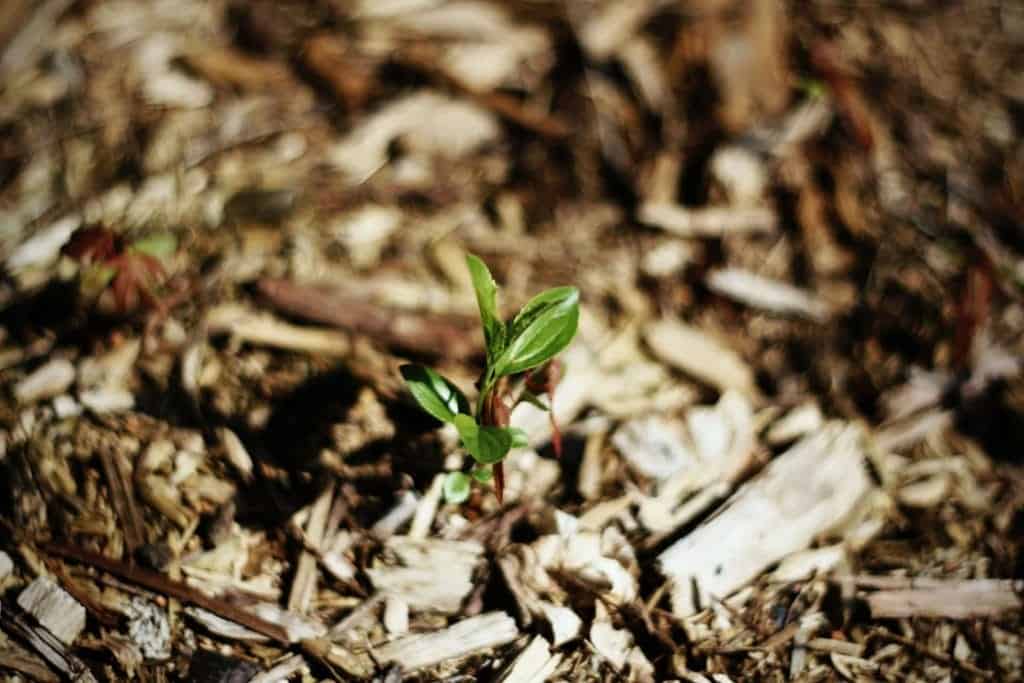
As the Pacific Northwest shakes off winter’s chill, spring presents an ideal time to apply organic mulch to annual flower gardens and vegetable gardens. Applying a layer after planting and the soil has warmed helps retain emerging soil moisture and suppress early weed growth. It also assists in keeping soil temperatures stable as the weather fluctuates. Aim for a 2-3 inch layer of your mulch of choice, keeping it away from plant stems.
Summer
Summer in Washington can bring periods of surprising heat. A layer of organic mulch option becomes a valuable ally, acting as a protective layer that insulates plant roots from scorching temperatures. It significantly reduces water evaporation, lessening the need for frequent watering and conserving precious resources. For established perennial crops and annual planting beds, refreshing or adding additional mulch in early summer can be beneficial.
Autumn
With the arrival of autumn, applying a thicker layer of organic mulch materials around perennial plants and sensitive shrubs offers protection against winter’s cold and fluctuating temperatures. It helps prevent soil heaving caused by freeze-thaw cycles, which can damage plant roots. Consider using heavier mulches like Bark Mulch or a thick layer of shredded leaves for this purpose.
Year-Round Benefits
Maintaining a consistent layer of organic mulch throughout the year contributes to overall soil health. As the mulch slowly decomposes, it continuously adds organic nutrients to the soil. Regularly replenishing the mulch as it breaks down controls weeds and helps maintain optimal soil moisture levels, creating a more stable and supportive environment for your garden plants regardless of the season.
The Perfect Organic Mulch Depth and Spread
Measure Twice, Mulch Once
Applying organic mulch effectively involves finding the right balance. Too little mulch material won’t adequately suppress weed growth or retain sufficient soil moisture. Conversely, piling it too high can lead to issues like poor air circulation and potential stem rot for your garden plants.
A general guideline for most organic options is a 2-3 inch Layer depth. However, for finer materials like grass clippings or decomposed leaves, a thinner layer might suffice.
Tips for Different Plant Types and Garden Beds
Application of mulch isn’t a one-size-fits-all approach. For vegetable gardens and annual flower gardens, a consistent 2-inch layer of something like straw mulches or shredded leaves works well.
Around individual plants, create a donut shape, leaving a few inches of space around the stem or trunk to prevent moisture buildup and potential disease. For established shrubs and trees, a slightly deeper layer of Wood mulch or Bark Mulch extending out to the drip line is beneficial.
Keeping Mulch Away from Stems and Trunks
It’s tempting to pile mulch material right up against plant stems and tree trunks, but this practice can be detrimental. Constant moisture against the bark can lead to rot and create entry points for pests and diseases. Always leave a gap of a few inches between the mulch and the base of your plants.
Think of it as giving them room to breathe and preventing potential problems that could lead to plant death or underdeveloped plants. Proper application methods contribute significantly to overall plant health.
How Organic Mulch Affects Irrigation
Less is More?
A significant benefit of using organic mulch is its ability to conserve soil moisture. The protective layer it forms over the soil surface acts as a barrier, reducing evaporation, especially during Washington’s warmer months.
Consequently, gardens with a good layer of mulch material often require less frequent watering compared to unmulched areas. This not only saves you time and water but also contributes to healthier plant roots by preventing drastic fluctuations in moisture levels.
Detecting Moisture Levels Beneath the Mulch Blanket
While organic mulch helps retain moisture, it can also make it slightly harder to gauge the actual wetness of the garden soil below. Relying solely on the appearance of the mulch surface can be misleading, as it might appear dry while the soil underneath is still adequately moist.
Instead, periodically check the soil moisture by inserting your finger a few inches deep near the base of your garden plants. This provides a more accurate assessment of whether watering is truly needed.
Adapting Your Watering Schedule for Mulched Gardens
Given the enhanced moisture retention provided by organic mulch, adjustments to your watering schedule are often necessary. You might find that you can water less frequently or for shorter durations.
Observe your garden plants for signs of overwatering, such as yellowing leaves or wilting despite moist soil. Proper watering techniques, combined with the benefits of organic mulch, contribute significantly to vibrant and healthy growth in your vegetable gardens and flower beds.
Pest Prevention & Weed Wars
How Mulch Discourages Unwanted Guests
A layer of organic mulch acts as a physical barrier, making it more difficult for weed seeds to reach the soil surface and germinate. It also disrupts the life cycles of some soil-borne pests.
For instance, a thick layer of wood chip mulch can deter slugs and snails from easily accessing your garden plants. Furthermore, certain organic options, like pine straw, can create a less hospitable environment for some types of pests.
The Double-Edged Sword
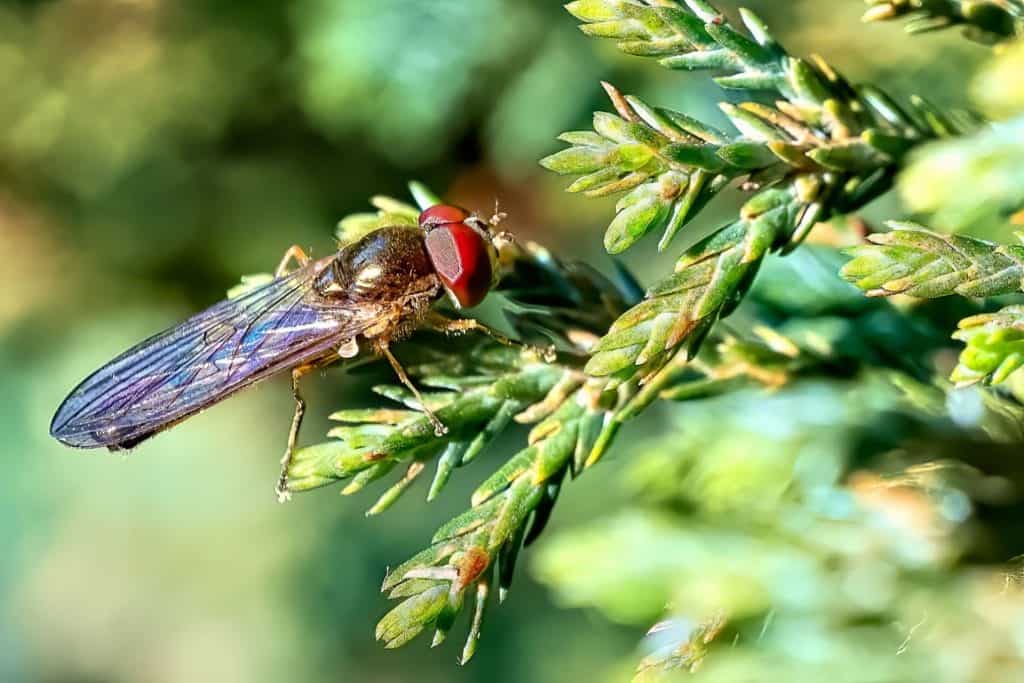
It’s worth noting that certain types of organic mulch materials, if applied too thickly or kept consistently damp, can inadvertently provide shelter for some pests, such as earwigs or overwintering insects. To mitigate this, avoid piling mulch directly against plant stems and maintain a moderate Layer depth.
Regularly inspect your mulch layer and address any excessive moisture buildup. Choosing an airy mulch, like straw for mulch, can also help improve air circulation and reduce the likelihood of creating pest havens.
Natural Weed Suppression
One of the most celebrated benefits of organic mulch is its ability to control weeds naturally. By blocking sunlight from reaching the soil, it inhibits the germination of many common weed seeds. As the organic material decomposes, it further suppresses weed growth by creating a less favorable environment for them to establish.
Consistent application of a sufficient layer of your mulch of choice can significantly reduce the need for manual weeding or chemical herbicides in your vegetable gardens and flower beds, promoting healthier plant health.
How Organic Mulch Transforms Your Garden Over Time
Soil Structure Revolution
Consistent use of organic mulch initiates a gradual yet profound improvement in your garden soil. As materials like shredded leaves and wood chips decompose, they add organic matter, which binds soil particles together.
Such action enhances soil structure, creating better pore spaces for air and water movement. For those dealing with heavy clay soils common in some parts of Washington, this improved aeration in clay soils is particularly beneficial, preventing soil compaction and promoting healthy root development for all your garden plants.
The Slow-Release Power of Decomposition
Unlike synthetic fertilizers that provide a quick burst of nutrients, organic mulch materials offer a slow and steady release of essential soil nutrients as they break down. This natural fertilization process supports long-term plant health and reduces the risk of nutrient imbalances.
Over time, regular application of organic options like compost pile additions and decomposed leaves contributes to a richer, more fertile soil that naturally sustains vibrant growth in your vegetable gardens and flower beds.
Greener Garden and Planet
Opting for organic mulch is a step towards more sustainable gardening practices. Utilizing locally sourced materials like arborist wood chips or recycling yard waste as mulch material reduces reliance on commercially produced products and minimizes waste going to landfills.
By improving soil health and reducing the need for chemical inputs, organic mulch helps create a healthier ecosystem in your backyard and contributes to a greener environment throughout the Evergreen State. The long-term commitment to natural mulch yields both immediate and lasting benefits for your appearance of landscapes and the planet.
Common Organic Mulch Mishaps
Slugs & Snails
The consistently moist conditions that organic mulch helps create can unfortunately also attract slugs and snails, common pests in the Pacific Northwest. To manage these slimy visitors, consider using physical barriers like copper tape around vulnerable garden plants.
You can also employ traps or introduce beneficial nematodes. Opting for coarser mulch material, such as Bark Mulch or wood chips, can sometimes be less appealing to these pests compared to finer mulches that retain more surface moisture.
Fungal Frustrations
In Washington’s damp climate, you might occasionally observe mold growth on the surface of your organic mulch. While some types of fungal growth are harmless decomposers, others could indicate overly wet conditions or poor air circulation. To address this, try turning the mulch gently to improve airflow.
If the mold persists or appears problematic, consider using a thinner layer of mulch of choice or switching to a more airy mulch like pine straw. Proper application methods that avoid piling mulch against plant stems can also help prevent excessive moisture buildup.
Matting & Compaction
Over time, some types of organic mulch, particularly finer materials like grass clippings applied too thickly or Wet leaves, can mat down and become compacted. This reduces air and water penetration to the soil surface. To remedy this, gently rake or loosen the compacted areas to restore airflow and water infiltration.
You might also need to add additional mulch to maintain the desired Layer depth and continue providing effective weed control and moisture retention for your garden plants. Regular observation and light maintenance will keep your mulch layer functioning optimally.
Table: Troubleshooting Common Mulch Problems in the Pacific Northwest
| Problem | Possible Cause | Solution |
| Excessive Slugs/Snails | Consistently moist mulch, fine-textured mulch. | Use physical barriers, traps, consider coarser mulch options. |
| Mold Growth on Mulch | Overly wet conditions, poor air circulation. | Gently turn mulch, use thinner layers, improve drainage around the area. |
| Mulch Matting/Compaction | Fine-textured mulch applied too thickly, wet conditions. | Gently rake or loosen the mulch, mix in coarser materials, apply thinner layers. |
| Nitrogen Tie-Up (Yellowing Plants) | Fresh, undecomposed woody mulch mixed into the soil. | Avoid mixing fresh woody mulch directly into planting holes; use decomposed mulch or compost around plants. |
Take a Quiz
Frequently Asked Questions
1. What are some good organic mulch options for my vegetable gardens?
For mulches for vegetable gardens, excellent choices include straw, which helps retain moisture and keeps fruits off the soil, and well-rotted compost, which adds valuable nutrients as it decomposes. You can also use shredded leaves or green materials from your garden, making sure they are free from plant diseases that could affect your edible gardens. Avoid using fresh mulch or arborist wood chip mulch directly around young vegetables, as it can sometimes lead to a temporary tie-up of the soil of nitrogen.
2. I have sensitive plants; what kind of organic mulch should I use?
For sensitive plants, it’s best to choose a mulch that is neutral in pH and won’t compact easily. Pine bark mulch, if well-composted, can be a good option for some acid-loving sensitive plants. Other gentle choices include buckwheat hulls, which provide an attractive mulch and good moisture retention, or finely shredded leaves. Avoid using fresh wood chips or animal waste directly around delicate plants, as they can be too harsh.
3. How thick should I spread organic mulch around my plants?
A general recommendation is to spread of soil with a 2-3 inch layer of most organic mulch materials. For finer materials like a thin layer of grass clippings or compost, a slightly shallower layer might suffice. The goal is to provide adequate mulch for weed control and soil warming without suffocating the plant material or creating airless soil conditions.
4. Can I use materials like pallet wood or landscape fabric as mulch?
Pallet wood, unless processed into wood chips, is not typically used as a direct mulch. Landscape fabric is a non-living mulch alternative designed for weed suppression, but it doesn’t offer the soil-improving benefits of organic options. Landscape fabric can be used under organic mulches, but it doesn’t decompose and contribute organic matter to the soil over time.
5. How long does organic mulch last, and when should I reapply it?
The longevity of organic mulch varies depending on the material. Finer mulches like grass clippings decompose relatively quickly, often within a few months, while coarser materials like Tree bark mulch can last for a year or more. You’ll know it’s time to reapply when the layer has significantly thinned, weeds start to become prevalent, or the soil seems to be drying out more quickly. This might be every 6-12 months for many organic options.
Conclusion
Embrace the power of organic mulch in your Washington garden! Observe your soil, note your plants’ needs, and select the natural ground cover that suits your unique space. Unlock healthier soil, happier plants, and fewer weeds. Ready to craft your personalized mulching strategy? Book a free consultation today and let’s cultivate your thriving garden!