
Achieving vibrant gardens and productive crop yields depends on efficient and sustainable irrigation methods. Here in Washington State, our distinct climate necessitates intelligent water management to cultivate robust plant health without water wastage. The focus shifts from conventional irrigation practices like broad sprinkler irrigation and flood irrigation towards highly effective sustainable irrigation systems.
Methods such as drip irrigation demonstrate superior water use efficiency, leading to significant water savings. Using strategies like rainwater harvesting and accounting for soil type are fundamental for widespread water conservation and cultivating sustainable agriculture. This promotes long-term environmental balance.
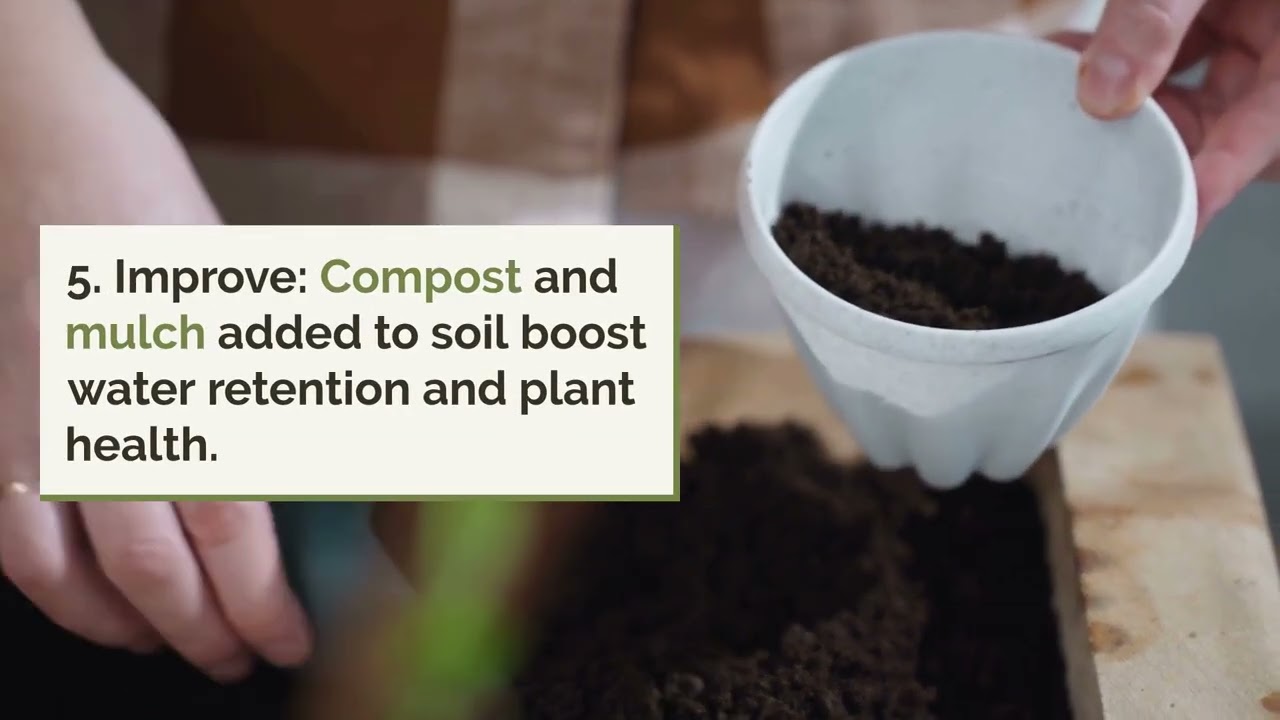
Table of Contents
Life+Land Lessons
- Assess your site’s unique water requirements before any irrigation planning.
- Collect rainwater for substantial water savings and reduced reliance on a municipal water source.
- Implement drip irrigation systems for precise water use efficiency and minimized water wastage.
- Select native Washington plants to naturally reduce water usage and enhance plant health.
- Improve soil type with organic matter for greater water retention and soil fertility.
- Create a smart irrigation schedule by considering plant needs and local weather conditions.
- Utilize irrigation technologies like soil moisture sensors for automated, precise watering.
- Convert thirsty lawns to low-water alternatives or hydrozone for efficient water management.
- Explore greywater systems for responsible reuse of household water in non-edible gardens.
- Prioritize water conservation in every gardening decision for sustainable agriculture.
1. Design Your Garden for Smart Irrigation
Assess Your Site’s Water Needs
Every garden possesses specific water requirements based on sun exposure, drainage, and existing soil type. Before any new planting or irrigation modernization, conducting a thorough assessment of your local environment proves beneficial. Observe areas that dry out quickly versus those that retain moisture.
A water meter can track baseline water usage, offering insights into current consumption. Such initial steps are foundational for truly sustainable irrigation systems and water management, directly impacting water conservation efforts.
Design for Drought Tolerance from the Start
Choosing the right plants is just as important as the irrigation system itself. Opting for drought-tolerant species dramatically reduces overall water usage and reliance on continuous irrigation. This approach, central to sustainable agriculture, prioritizes species adapted to periods of water deficit.
Designing with these principles actively minimizes water exploitation and contributes to long-term water sustainability. It supports both vibrant plant health and regional environmental flows.
Group Plants by Water Requirements
Optimizing irrigation efficiency involves grouping plants with similar water needs together. Creating distinct “hydrozones” prevents water wastage by providing each zone with only the necessary amount of water. This systematic approach contrasts sharply with less precise sprinkler system applications across varied plant types.
By adapting irrigation schedules to specific groupings, crop water use efficiency increases, achieving more “crop per drop” and reducing pumping energy costs. This method directly bolsters sustainable development goals.
2. Harvest Rain Water to Slash Water Bill
Simple Rain Barrels for Small Gardens
Collecting rainwater offers a straightforward path to water conservation for any garden. Attaching a basic rain barrel to a downspout allows for capturing rainwater harvesting from roof surfaces. Stored water can then supply small-scale irrigation systems for potted plants or garden beds, directly reducing reliance on potable water sources.
Such a system significantly cuts down on water usage and contributes to water savings, making a noticeable difference for the local environment. It is a tangible step towards sustainable agriculture.
Advanced Cisterns for Larger Landscapes
Larger properties benefit from advanced cisterns, which hold substantial volumes of collected rainfall. Integrated into irrigation technologies, these systems can feed larger drip irrigation systems or even be plumbed for controlled release, improving irrigation efficiency. Such an approach supports robust crop production and bolsters water availability, especially during dryer periods.
Advanced cisterns are examples of sustainable irrigation system components that enhance overall water management and promote sustainable water resources management. They can dramatically lower a property’s water footprint analysis.
Rainwater Harvesting in Washington State
Before installing any rainwater harvesting system, reviewing local regulations in Washington State is prudent. Many areas encourage water conservation through such means, but specific guidelines may apply regarding storage capacity and diversion methods.
Adhering to water policy guidelines prevents unforeseen issues and guarantees compliance. Legal frameworks generally support personal water savings initiatives, aligning with broader sustainable development goals. Confirming local codes helps property owners contribute positively to groundwater recharge and responsible water management.
3. Use Drip Irrigation to Conserve Water
Drip Outperforms Sprinklers for Water Savings
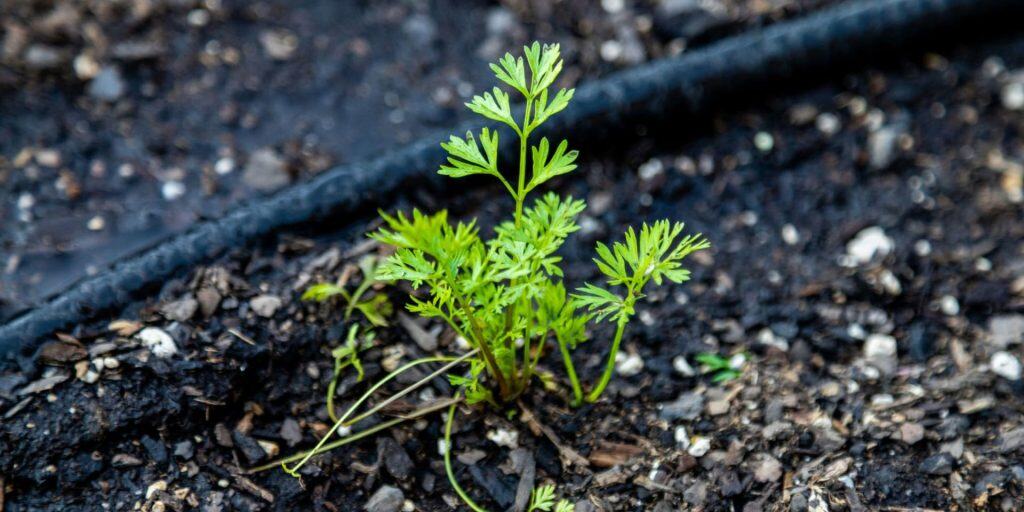
Drip irrigation stands as a champion for water conservation due to its unparalleled water use efficiency. Unlike sprinkler irrigation, which loses significant water to evaporation and runoff, drip irrigation systems deliver water directly to the plant’s root zone.
This precise application minimizes water wastage and substantially increases water savings, particularly beneficial in arid regions or during dry summers. Directly supporting plant health, it exemplifies superior irrigation practices and helps achieve higher crop per drop productivity.
DIY Drip System
Setting up your own drip irrigation system is a surprisingly straightforward process. Kits with pumps and tubes are readily available, allowing gardeners to customize coverage for various crop cultivation needs. Laying the lines directly around plant bases or within rows drastically reduces water usage.
Utilizing an appropriate irrigation schedule with a simple timer further optimizes the flow, leading to consistent water savings. This accessible irrigation technology empowers property owners to take control of their water management.
Maintaining Your Drip System
Regular maintenance extends the lifespan and efficiency of any drip irrigation system. Periodically checking emitters for clogs and lines for leaks prevents water wastage and preserves irrigation efficiency. Flushing the system seasonally removes sediment, ensuring consistent water availability to plants.
Maintaining these sustainable irrigation system components guarantees optimal plant health and continuous water savings. Proper care of your irrigation technology supports sustainable water resource management for years to come.
Table: Irrigation Method Comparison for Water Efficiency
| Irrigation Methods | Typical Water Use Efficiency | Best Application | Benefits for Water Savings |
|---|---|---|---|
| Drip Irrigation | 90-95% | Beds, Rows, Trees, Shrubs | Delivers water directly to the plant root zone, minimizing evaporation and runoff. |
| Sprinkler Irrigation (Overhead) | 50-75% | Lawns, Large Areas | Provides broad coverage and can be automated for convenience. |
| Micro-Sprayers / Soaker Hoses | 75-85% | Dense Plantings, Borders | Offers more targeted watering than overhead sprinklers with less waste. |
| Rainwater Harvesting | 100% (collected water) | Supplemental, Small Gardens | Utilizes free natural surface water, greatly reducing reliance on potable supply. |
| Greywater Systems | High (reused water) | Non-edible Gardens | Recycles household water, significantly reducing fresh water usage for irrigation. |

4. Plant Native Plants to Reduce Your Water Consumption
Washington’s Water-Wise Plants
Selecting plants indigenous to Washington State significantly reduces demands on your irrigation system. These species, adapted to local environmental conditions, naturally thrive with minimal supplemental water usage, especially after establishment. Embracing this “right plant, right place” philosophy is a cornerstone of sustainable agriculture.
This lessens reliance on irrigation schedule adjustments and reduces overall water consumption, contributing substantially to water savings and long-term water sustainability. Many beautiful options exist for various soil types and sun exposures.
Ecological Benefits Beyond Water Savings
Beyond considerable water savings, native plants offer profound ecological advantages. They support local wildlife, including pollinators and birds, contributing to biodiversity. Their deep root systems improve soil fertility and reduce erosion, promoting healthy groundwater recharge.
Such choices exemplify a holistic approach to sustainable development goals by fostering a resilient ecosystem. They illustrate how irrigation practices extend beyond simple watering to encompass broader environmental stewardship.
5. Build Healthy Soil to Naturally Store More Water
The Power of Organic Matter for Water Retention
The foundation of effective water management lies beneath your feet, within the soil type. Healthy soil, rich in organic matter, acts like a sponge, significantly increasing its capacity for water retention.
This natural ability reduces the overall water requirements of plants and minimizes the need for frequent irrigation schedule adjustments. Improved soil fertility also enhances plant health, making gardens more resilient to periods of water deficit. Such soil is a central component of sustainable agriculture.
Composting and Mulching
Regularly incorporating compost and applying mulch are direct pathways to superior soil health. Compost enriches the soil type with organic matter, boosting its water-holding capabilities and nutrient availability. Mulch conserves moisture by reducing evaporation from the soil surface, directly contributing to water savings.
Both practices lessen the burden on irrigation systems and significantly cut down on water usage. These are simple, effective irrigation practices that support sustainable development goals.
Avoid Compaction for Better Infiltration
Compacted soil severely hinders water infiltration and exacerbates water wastage from runoff. Preventing foot traffic on garden beds and avoiding heavy machinery helps maintain an open, aerated soil type. Aerating compacted areas improves the soil’s structure, allowing water to penetrate deeper and reach plant roots more effectively.
Better infiltration means less water deficit for plants and more efficient use of any applied water source, promoting water sustainability in the garden. This attention to soil type complements any sustainable irrigation system.
6. Implement Smart Watering Schedules
When and How Much to Water
Timing and quantity are fundamental to efficient irrigation practices and water savings. Watering during cooler parts of the day, typically early morning, minimizes evaporation and maximizes water use efficiency. Applying the correct amount prevents both water deficit and water overuse, which can harm plant health.
An irrigation schedule, based on specific plant needs and soil type, ensures every drop contributes to robust crop production and reduces overall water usage. This systematic approach minimizes water wastage.
Use Weather Data to Guide Your Irrigation
Integrating local weather data into your irrigation schedule significantly improves water management. Modern irrigation technologies, such as weather-based controllers and rain/freeze sensors, automatically adjust watering times. These devices prevent unnecessary irrigation after rainfall, leading to substantial water savings.
Such smart applications directly reduce water exploitation and contribute to sustainable irrigation system performance. Relying on real-time conditions rather than fixed schedules promotes genuine water conservation.
Benefits of Deep and Infrequent Watering
Adopting a deep, infrequent watering strategy encourages deeper root growth, making plants more resilient to dry spells. Instead of light, daily watering that only moistens the surface, delivering water deeply but less often prompts roots to seek moisture further down.
This method improves irrigation efficiency and reduces overall water usage from your water source. It strengthens plant health, particularly in arid regions, and allows better use of available water availability. This practice aligns with the principles of sustainable agriculture and reduces the need for constant pumping energy costs.
7. Use Technology for Water Conservation
Smart Controllers and Weather
Sensors Modern irrigation technologies offer powerful tools for water management. Smart controllers, often paired with rain/freeze sensors and weather-based controllers, automatically adjust your irrigation schedule based on real-time weather conditions.
Preventing watering during rain or freezing temperatures leads to significant water savings and eliminates water wastage. Equipping your sprinkler or drip irrigation systems with such devices boosts irrigation efficiency and contributes meaningfully to sustainable irrigation system performance. They make achieving water conservation remarkably convenient.
Soil Moisture Sensors
For pinpoint accuracy in water usage, soil moisture sensors are invaluable. Installed directly in the root zone, these sensors communicate actual soil type moisture levels to the controller, initiating irrigation only when plant needs dictate. Such precision prevents both water deficit and water overuse, optimizing water availability for plant health.
They represent a truly advanced approach to irrigation practices, minimizing water exploitation and maximizing crop water use efficiency, yielding more “crop per drop” from your water source.
Apps and Tools for Managing Your Irrigation System
Managing your irrigation system is simpler than ever with user-friendly apps and digital tools. Many smart controllers connect to smartphones, allowing remote adjustment of irrigation schedule and monitoring of water usage. Access to historical data helps refine irrigation performance measures over time.
Irrigation modernization through these interfaces empowers homeowners to actively participate in sustainable water resources management without manual adjustments. They provide seamless control, making water conservation an effortless part of daily gardening.
8. Change Your Lawn Design to Save Water
Plant Low-Water Alternatives to Traditional Turf
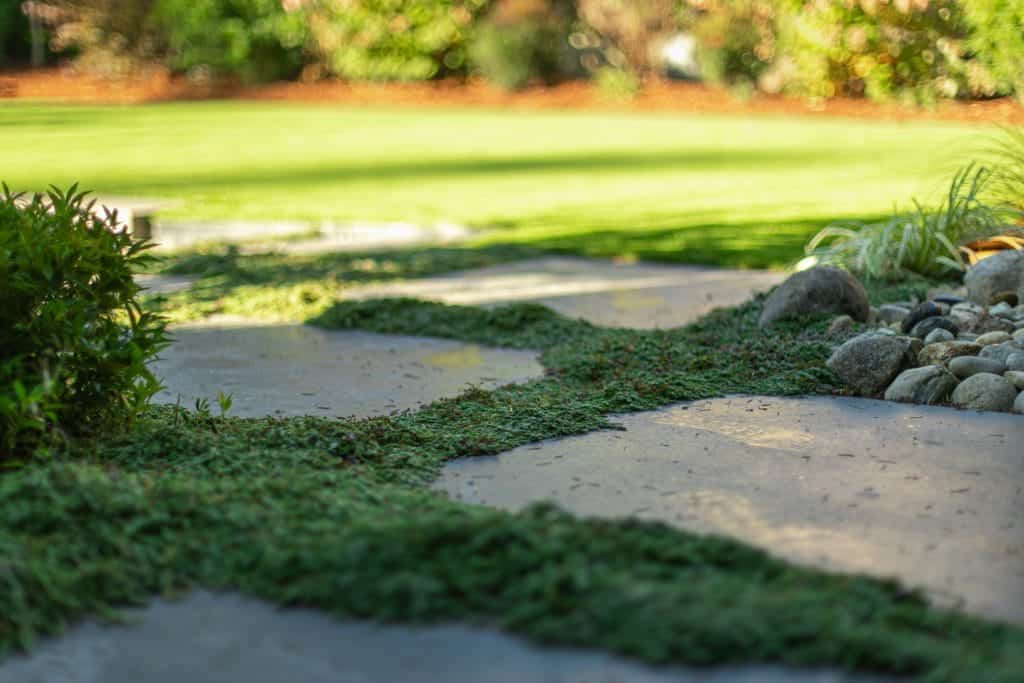
Traditional lawns often represent significant water usage, requiring constant irrigation systems. Exploring low-water alternatives, such as native groundcovers or drought-tolerant fescues, can dramatically reduce your water footprint analysis. Converting portions of turf to garden beds with water-wise plants further minimizes reliance on a consistent water source.
Such a transition aligns with sustainable agriculture principles, leading to substantial water savings and decreased water exploitation within the local environment. It’s a proactive step for water conservation.
Efficient Mowing and Fertilizing
Even if maintaining some traditional turf, efficient irrigation practices can reduce its thirst. Mowing grass at a higher setting encourages deeper root growth, making it more resilient to water deficit. Fertilizing judiciously and only when necessary prevents excessive top growth that demands more water.
These simple crop management practices lessen overall water requirements and improve the lawn’s water use efficiency. They contribute to overall water management by making every drop count for plant health.
Benefits of Hydrozoning
Hydrozoning involves grouping plants with similar plant needs and water requirements together. Applying this principle to your lawn and surrounding garden beds creates distinct irrigation zones, each receiving tailored water availability. For example, a high-water use lawn area might be separated from a low-water native plant bed.
A well-designed irrigation schedule for each zone prevents water wastage and optimizes irrigation efficiency. Such irrigation modernization helps achieve water sustainability across your entire property, reducing overall water usage and pumping energy costs.
9. Recycle Household Water
Greywater Systems for Landscape Use
Reusing household water sources offers significant water savings and reduces overall water usage. Greywater refers to wastewater from showers, baths, and washing machines, excluding toilet water. When properly managed, this resource can drastically lower demand on potable water availability for irrigation systems.
Utilizing greywater directly supports sustainable water resource management and contributes to broader sustainable development goals by decreasing the water footprint analysis of a household.
Greywater Diversion for Non-Edible Plants
Implementing a basic greywater diversion system for non-edible plants is a straightforward irrigation practice. A simple valve can redirect washing machine or shower water directly to garden areas containing ornamental shrubs or trees.
This direct application minimizes the need for complex irrigation technologies while providing valuable moisture to plant health. Ensuring the use of plant-friendly soaps and detergents prevents negative impacts on soil fertility and promotes sustainable agriculture. Gravity-fed systems often suffice for effective water management in such setups.
Best Practices for Greywater in Washington
Before installing any greywater system, understanding Washington State’s water policy and regulations is prudent. The Department of Health provides guidelines, often requiring subsurface irrigation and prohibiting contact with edible portions of food crops. Systems must prevent ponding or runoff and include a diversion valve for routing water to the sewer when soils are saturated.
Adhering to these best practices prevents water exploitation and ensures public safety. Proper system design and maintenance are crucial for maximizing water savings and supporting the local environment.
Frequently Asked Questions
1. What are the most effective irrigation methods for water conservation?
Drip irrigation and rainwater harvesting are highly effective for water savings. Both minimize water wastage by delivering water directly to plants or collecting it for later use.
2. How do solar-powered drip systems contribute to agricultural water management?
Solar-powered drip systems use renewable energy from solar panels to run pumps, delivering water precisely to crops. This reduces reliance on conventional energy and lowers pumping energy costs for off-grid farmers.
3. What is the water-energy-food nexus framework in sustainable irrigation?
The water-energy-food nexus framework recognizes the interdependencies between these three critical resources. Sustainable irrigation methods try to balance water availability for crop production with energy use and food security.
4. Can surface irrigation methods like furrow irrigation be made more sustainable?
Traditional surface irrigation can lead to water wastage, but improvements like precise leveling and careful water management can increase the sustainability of irrigation. However, drip systems generally offer higher water use efficiency.
5. How does climate change impact the need for sustainable irrigation methods?
Climate change exacerbates water scarcity in many agricultural regions, making sustainable irrigation methods more urgent. Efficient irrigation practices help adapt to changing water availability and reduce reliance on finite surface water and groundwater.
6. What is the “irrigation paradox” and how do sustainable irrigation methods address it?
The irrigation paradox suggests that increasing irrigation efficiency might lead to overall higher water usage due to increased planting. Sustainable irrigation methods counter this by emphasizing integrated water management and choosing low-water plants.
7. Do sustainable irrigation methods always lead to higher crop yields?
Sustainable irrigation methods focus on optimizing water use efficiency and plant health, which generally supports consistent crop yields. They aim to maximize “crop per drop” and improve agricultural water productivity without causing yield penalties from water deficit.
Conclusion
Make your garden a sustainable haven by using smarter irrigation practices. Begin creating your personalized water management plan today, focusing on water conservation for lasting plant health. Every small step in optimizing water usage contributes to a greener future. Ready to apply sustainable irrigation methods to your space?
Book a Free Consultation to start your water-wise transformation!