
By Chris Sheer, Co-owner, Father Nature Landscapes of Tacoma
A successful landscape design consultation starts before you ever shake hands with a designer. After 18 years and 500+ completed projects across Tacoma and Gig Harbor, I can spot an unprepared homeowner within five minutes. They fumble through vague descriptions of their outdoor space, have no idea about their budget, and bring Pinterest boards filled with tropical gardens that would die in our Pacific Northwest winters. The good news is that a little homework changes your consultation from a confusing brainstorming session into a productive meeting that gets you closer to your outdoor oasis.
Let me walk you through exactly what to gather and think about before sitting down with a landscape designer.
Table of Contents
Chris’ Quick Takeaways
• Share your real budget range upfront or waste weeks on designs you can’t afford
• Bring close-up photos of specific features you want, not entire Pinterest boards
• Have your property survey ready to avoid designing structures that violate setbacks
• Rank your wish list so we tackle drainage problems before decorative features
• Block 90 minutes minimum and bring everyone who lives there
• Walk your property after rain to identify soggy spots and drainage issues
• Our free 3D renderings show exactly what you’re getting before we break ground
Stop Treating Your Budget Like a Secret
Why Your Designer Can’t Read Your Mind About Money
I’ve sat through countless consultations where homeowners dance around the budget question like it’s taboo. Here’s the truth – when you hide your numbers, I’m forced to guess, and my guesses are usually higher than what you had in mind. Designers need your budget range to propose solutions that actually fit your financial reality, not fantasy designs you’ll never build.
The Cost of Playing Budget Games
A couple in University Place once told me their budget was “flexible” during our initial consultation. I presented a design plan with custom outdoor kitchens and fire pits totaling $85,000. Their faces went pale. Turns out “flexible” meant $35,000 maximum. We wasted three weeks on revisions that could’ve been avoided with one honest conversation. Being vague about money doesn’t protect you – it costs you time and creates frustration on both sides.
How to Set a Realistic Range for Pacific Northwest Projects
Start by researching what landscape design actually costs in our climate zone. A basic yard refresh with plant selection and layout typically runs $5,000 to $15,000, though complex projects with drainage solutions or outdoor spaces can reach $50,000 or more. Give your designer a realistic range, not a single number, so we have room to adjust plant material and features without scrapping the entire design concept.
Table: Pacific Northwest Landscape Project Budget Ranges
| Project Type | Typical Cost Range | What’s Included | Best For |
|---|---|---|---|
| Basic Yard Refresh | $5,000 – $15,000 | Plant selection, garden bed redesign, mulching, basic layout changes | Homeowners wanting updated curb appeal without major construction |
| Mid-Range Transformation | $15,000 – $35,000 | Complete plant material overhaul, new garden beds, basic patio or walkway, irrigation, drainage solutions | Properties needing functional improvements plus aesthetic upgrades |
| Premium Outdoor Living | $35,000 – $75,000 | Custom outdoor kitchens, fire pits, pergolas, extensive plantings, lighting, water features | Families creating true outdoor entertaining spaces |
| Comprehensive Estate Design | $75,000+ | Full property transformation, multiple outdoor spaces, custom carpentry, advanced drainage, landscape architecture services | Forever homes requiring complete outdoor sanctuary creation |
Gather Inspiration Photos That Actually Show What You Want
Pinterest Boards Are Great But Here’s What Really Helps
Your Pinterest board with 247 saved images tells me you like pretty things, but it doesn’t tell me what you actually want. I need specifics. Instead of saving entire yards, screenshot close-ups of the entrance way style you love, the exact plant placement pattern that caught your eye, or the outdoor fireplace design that matches your home’s architecture. Three focused plant images beat a hundred generic landscape layout pins.
Steal Ideas From Your Neighbor’s Yard Without Shame
A homeowner in Gig Harbor brought photos of their neighbor’s landscaping team’s work during our 2023 consultation. Smart move. Local inspiration shows me what thrives in our Pacific Northwest conditions and what you see every day that makes you envious. Take pictures of yards in your neighborhood, snap shots at the garden center, or photograph outdoor spaces you admire around Tacoma. Real examples from our climate zone beat tropical fantasies every time.
The Specific Details That Matter Most to Your Designer
When you show me inspiration photos, point out exactly what grabbed your attention. I can’t assume you want the whole design concept. Here’s what helps me understand your vision:
- The stone texture on a retaining wall, not the entire backyard
- The way plants frame a pathway, not every plant name in the photo
- The color combination of flowering shrubs, not the full plant list
- The spacing between outdoor kitchen elements, not the whole patio
These details guide my plant selection and help me create a design plan that reflects your actual preferences, not my interpretation of what you might like.
Figure Out How You’ll Actually Use the Space
Party Central or Private Retreat
Be honest about how you live. If you host summer barbecues for 30 people, I need to design circulation patterns and seating areas differently than if you want a quiet morning coffee spot. A retired couple in Puyallup told me they wanted an “entertaining space,” but after deeper questions, I learned they meant intimate dinners for four, not crowd gatherings. Your actual lifestyle shapes everything from plant placement to hardscape choices.
The Questions About Future Use Nobody Thinks to Ask
Most people focus on today and forget tomorrow. Will your kids age out of needing a play area in three years? Are you planning to work from home long-term and need an outdoor office retreat? A 42-year-old tech professional from Tacoma requested a low-maintenance design in 2022, then mentioned she might retire early and take up serious gardening. That single detail completely changed my plant selection strategy and the layout we created for her half-acre property.
Maintenance Expectations That Match Your Life
Tell me the truth about how much time you’ll actually spend on upkeep. If you hate yard work and want your weekends free, I’ll choose different plant material than if you love puttering in the garden every Saturday. There’s no shame in wanting a worry-free landscape. I’d rather design something you’ll maintain happily than create high-maintenance outdoor spaces that become a burden within six months.

Find Your Property Survey Before Someone Has to Hunt for It
Property Lines Matter More Than You Think
I’ve designed beautiful outdoor kitchens that couldn’t be built because they sat 18 inches onto the neighbor’s property. Your property survey shows exactly where your land ends and everyone else’s begins. Without this foundation plan, we’re guessing, and guesses lead to expensive mistakes, neighbor disputes, or worse, tearing out completed work. Dig through your closing documents now, not after we’ve finalized your design plan.
What to Do If You Can’t Locate Your Plot Plan
Don’t panic if you can’t find your survey in the pile of homebuying paperwork. Here’s how to track it down:
- Contact your title company or the escrow office that handled your closing
- Check with Pierce County’s official records department online
- Call your mortgage lender, as they often keep copies
- Hire a licensed surveyor to create a new one (costs around $400-$800 in Tacoma)
Getting this document before our consultation saves us both time and prevents design concepts that violate setback requirements.
Easements and Setbacks That Could Derail Your Design
A young family in University Place fell in love with a landscape layout featuring a pergola and fire pit in their back corner. Then we discovered a utility easement running exactly where they wanted to build. Easements give utility companies legal access to your property, meaning permanent structures are prohibited. Setbacks require specific distances from property lines. These restrictions shape where we can place landscape materials and outdoor spaces, so knowing them upfront prevents heartbreak later.
Make a Wish List But Rank Your Priorities
The Features You Want Versus What You Actually Need Right Now
Write down everything you want, then number them by urgency. That outdoor fireplace sounds amazing, but if your yard floods every winter, drainage solutions need to come first. I can’t design effectively when everything carries equal weight in your mind. Honest prioritization helps me allocate your budget to the problems that actually affect your daily life, then we’ll work the fun stuff around those necessities.
How Phased Projects Save Money Without Sacrificing Vision
A couple in their late 50s from Gig Harbor wanted a complete backyard transformation in 2021, but their budget couldn’t cover everything at once. We created a master design plan, then broke it into three phases over 18 months. Phase one tackled critical site conditions and basic landscape layout. Phase two added the patio and plant selection. Phase three brought in the custom pergola and outdoor kitchen. They got their dream outdoor space without financial stress or compromising the overall design concepts.
Plants You Love and Plants You Absolutely Hate
Tell me your plant preferences upfront, even if they seem silly. Here’s what I need to know:
- Specific plants that trigger allergies or that you simply can’t stand
- Colors you hate seeing in your yard
- Textures that bother you (some people despise ornamental grasses)
- Maintenance dealbreakers (like plants that drop messy fruit)
One client despised anything yellow-flowering because it reminded her of childhood weeds. Another refused any plant material requiring deadheading. These details matter. I’d rather know your quirks during our landscape design consultation than surprise you with plants you’ll resent every time you look outside.
Schedule Enough Time for Your Landscape Design Consultation
Rushing Through This Meeting Costs You Later
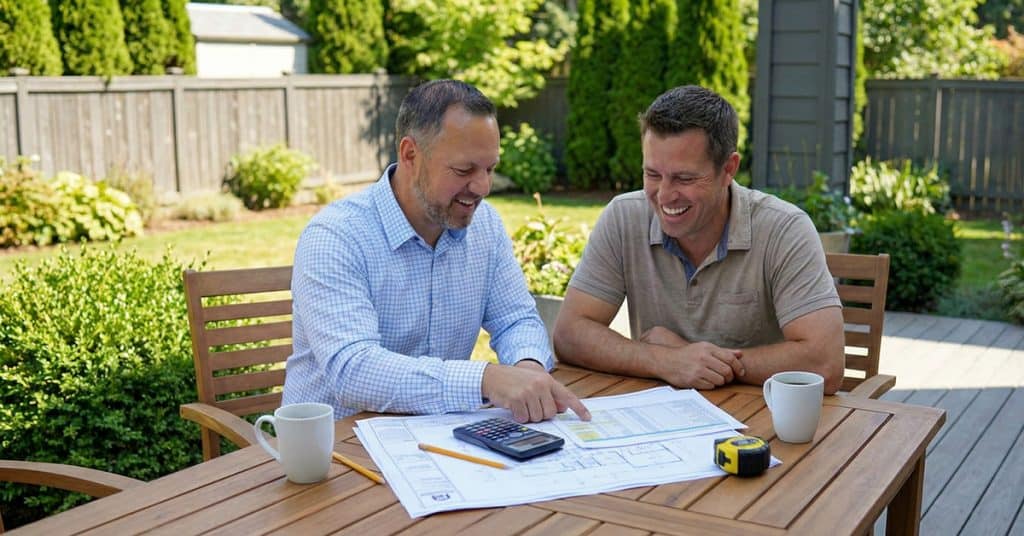
Block off at least 90 minutes for a thorough consultation, not the 30-minute slot you’d give a furnace repair estimate. We need time to walk your entire property, discuss your vision, ask follow-up questions, and address concerns you haven’t even thought of yet. A homeowner in Puyallup once scheduled me between dropping kids at soccer and picking them up an hour later. We barely covered half the yard before she had to leave, which meant a second visit and delayed timeline that pushed her project into fall instead of summer.
Who Needs to Be There Besides You
Everyone who lives in the house and has opinions about the outdoor space should attend. I’ve created designs only to have an absent spouse veto the entire plan two weeks later because they weren’t part of the conversation. If you’re married or partnered, both of you need to be present. Adult children living at home, elderly parents sharing the property – get them involved early. Conflicting visions discovered during our landscape design consultation are easier to resolve than conflicting visions discovered after I’ve drawn up plans.
The Best Time of Year to Meet With a Designer in Tacoma
Spring consultations book fast in Tacoma because everyone wants their landscape professionals lined up before summer. I recommend scheduling between late winter and early spring so we can observe your property’s drainage patterns after our wet season and identify problem areas. However, meeting during our Pacific Northwest growing season lets you show me exactly which existing plants thrive and which struggle, giving me better information for plant identification and selection decisions.
Know What Problems Your Property Already Has
Drainage Issues, Slopes, and Soggy Spots
Walk your yard after a heavy rain and note where water pools, runs off too fast, or creates muddy disasters. These observations are gold for landscape professionals because they show us where drainage solutions need priority in your design plan. Take photos of problem areas during wet weather so I can see exactly what you’re dealing with. A sloped yard in Tacoma requires completely different strategies than flat terrain, and soggy spots tell me about soil type and water table issues before we ever break ground.
Sun Exposure and Wind Patterns Through the Seasons
Your yard’s sun exposure changes dramatically from June to December in our Pacific Northwest climate zone. That spot with full afternoon sun in summer might sit in shadow most of winter. Notice which areas get morning versus afternoon light, where shade stays all day, and where wind whips through during storms. A professional in her early 40s from University Place wanted a cozy seating area but hadn’t noticed the relentless north wind that funneled between her house and fence. We repositioned the entire outdoor space 15 feet over, and she actually uses it now instead of avoiding the wind tunnel.
Soil Conditions That Affect Plant Selection in the Pacific Northwest
Our region’s soil varies wildly from heavy clay to sandy loam, and I need to know what you’re working with. Dig a small hole about 12 inches deep and look at what comes up. Clay soil drains poorly and needs amendments. Sandy soil drains too fast and struggles to hold nutrients. If you’re serious about sustainable landscape design, consider getting a basic soil test from your local garden center for around $20. Knowing your soil type before our consultation helps me recommend plant material that will actually thrive, not just survive.
Table: What to Observe About Your Property Before Your Consultation
| Property Aspect | What to Look For | When to Observe | Why It Matters |
|---|---|---|---|
| Drainage Patterns | Standing water, erosion channels, soggy areas, runoff direction | After heavy rain (October – March) | Determines where drainage solutions are needed and affects plant selection |
| Sun Exposure | Full sun, partial shade, deep shade areas throughout the day | Multiple times across seasons | Different plants thrive in different light; affects outdoor space placement |
| Wind Patterns | Strong wind corridors, calm pockets, storm damage areas | During winter storms and summer evenings | Influences seating area location and plant material choices |
| Existing Plant Health | Thriving vs. struggling plants, bare spots, overgrown areas | Spring through fall growing season | Shows what works in your soil type and microclimate |
| Soil Moisture | Dry patches, constantly damp areas, hard clay vs. loose soil | Year-round, especially after watering | Affects plant placement and need for organic soil amendments |
| Slope and Grading | Water flow direction, steep vs. gentle slopes, flat areas | Any time, best visible after rain | Impacts construction feasibility and erosion control needs |
What Father Nature Landscapes Brings to Your Design Consultation
Our 18 Years of Pacific Northwest Plant Knowledge
Since 2006, we’ve completed over 500 projects across Tacoma, Gig Harbor, and Puyallup. We know which plants thrive in our wet winters and dry summers, what survives our occasional freezes, and which native options deliver year-round beauty without constant maintenance.
Free Professional 3D Visualization That Shows Your Space Before We Build
We create detailed 3D renderings during your consultation so you can see exactly what your outdoor oasis will look like before committing. No more guessing or hoping the final result matches your imagination. Our virtual landscape design eliminates surprises and gives you confidence in every decision.
Why Our Design-Build-Maintain Approach Saves You Headaches
We handle everything under one roof. Our landscaping team designs your space, builds it with premium materials, then maintains it so your investment stays beautiful. No coordinating between multiple contractors or wondering who’s responsible when issues arise. One trusted team from consultation to ongoing care means zero hours of your time managing the process.
Frequently Asked Questions
1. How much does a landscape design consultation typically cost?
Most landscape architects charge between $100 and $500 for initial consultations, though some professionals offer free consultations as part of their design-build services. At Father Nature Landscapes, we provide complimentary consultations that include professional assessment and 3D designs to help you visualize your project before committing.
2. Should I visit nursery professionals before my landscape design consultation?
No, skip the garden center for now. Visiting nurseries before meeting with your designer often leads to impulse purchases that don’t fit your overall plan or site conditions. Let us guide your plant selection based on your property’s specific needs and our Pacific Northwest expertise first.
3. How do I know which USDA Plant Hardiness Zone Map zone I’m in?
Tacoma and surrounding areas fall primarily in zones 8b and 9a on the updated USDA Plant Hardiness Zone Map. Knowing your zone helps determine which plants survive our winters, but local microclimates and soil conditions matter just as much for long-term plant health and success.
4. Can I request specific features like outdoor fireplaces during my consultation?
Absolutely. Bring your wish list including outdoor fireplaces, kitchens, or any custom features you want. We’ll discuss feasibility, budget implications, and how these elements integrate with your overall landscape architecture plan. Honesty about priorities helps us design spaces you’ll actually use and love.
5. What if I want to include native edible plants in my landscape design?
Tell us during your consultation. We regularly incorporate native edible plants into Pacific Northwest designs for clients wanting functional beauty. From blueberries to salal berries, we’ll select varieties that support local wildlife while providing harvest opportunities for your family throughout the growing season.
6. How long after my consultation will I receive the actual design plan?
Most designers deliver computer-generated landscape plans within two to four weeks after your initial meeting. Our team provides detailed 3D designs with custom graphics showing plant placement, hardscape elements, and a project legend explaining each component, so you understand exactly what you’re getting.
7. Do I need to prepare anything about organic soil amendments before meeting?
No preparation needed on amendments. We’ll assess your existing soil type during the consultation and recommend organic soil amendments as part of your overall design plan. Our expertise with Pacific Northwest soils means we know exactly what your property needs to support healthy, thriving plants long-term.
Conclusion
Your landscape design consultation sets the tone for everything that follows. Come prepared with honest budget numbers, clear priorities, and realistic expectations about how you’ll use your outdoor space. After 18 years transforming Tacoma properties, we know the difference preparation makes in creating landscapes you’ll love for decades. Our team handles the complexity while you enjoy the results. Ready to stop dreaming and start building your outdoor sanctuary?
Schedule your free design consultation today and let’s create something remarkable together.