
By Chris Sheer, Co-owner, Father Nature Landscapes of Tacoma
Hiring a landscape designer in Tacoma comes down to asking the right questions before you sign anything. After completing 500+ projects since 2006, I’ve seen homeowners get burned by designers who looked great on paper but couldn’t handle Pacific Northwest weather patterns, lacked proper licensing, or disappeared mid-project.
The difference between a stress-free outdoor space transformation and a costly nightmare often comes down to seven specific questions about credentials, local plant expertise, and how they handle the inevitable surprises every landscape design project faces.

Chris’ Quick Takeaways
- Verify they handle design, installation, and maintenance or you’ll be coordinating multiple contractors
- Ask for proof of Pacific Northwest plant knowledge specific to Tacoma’s wet winters and dry summers
- Request completed project photos and contact actual references, not just portfolio renderings
- Get their problem-solving approach and change order policy in writing before signing anything
- Confirm Washington State licensing, liability insurance, and workers compensation coverage
- Understand total costs with design fees separated from installation and material expenses
- Clarify realistic maintenance requirements so your new landscape doesn’t become a weekend burden
Table of Contents

1. What Services Do You Actually Provide?
Design-Only vs. Design-Build vs. Full-Service Options
Most landscape architects hand you beautiful schematic design drawings and then vanish. You’re left coordinating multiple contractors, tracking down plant material, and praying everyone shows up. Design-build firms handle both planning and installation but often skip maintenance. Full-service options cover everything from initial landscape plans through ongoing care. Ask exactly where their responsibility ends and yours begins before signing anything.
Who Handles Installation and Does Your Designer Stay Involved
Here’s where homeowners get blindsided. A landscape professional creates your vision, but a random crew you’ve never met actually builds it. The designer who promised that perfect fire pit placement never visits the site again. Ask if your designer will be on-site during installation or if you’ll be working with a separate team. The best outcomes happen when the person who created your exterior space also oversees construction.
Can You Manage the Entire Project or Will I Be Juggling Multiple Contractors
A Gig Harbor couple hired a designer in 2023 who couldn’t coordinate the hardscaping contractor, irrigation installer, or plant nursery. They spent months playing telephone between four different companies. The project dragged on for eight months with constant scheduling conflicts. One company managing carpentry, planting, drainage methods, and every detail eliminates finger-pointing. Ask upfront if they truly manage everything or just design and hand off.

2. How Well Do You Know Pacific Northwest Plants and Tacoma’s Climate?
Native Plant Expertise for Our Wet Winters and Dry Summers
A designer from California once specified plants for a Tacoma yard that couldn’t survive our wet winters. The homeowner lost thousands replacing dead shrubs. Ask if they understand native and low-water plants that thrive in our bipolar weather. Can they explain which species handle October through March rainfall and then survive July’s drought without constant watering?
Drainage Solutions for Tacoma’s Heavy Rainfall
Pierce County properties get hammered with over 38 inches of rain annually. Your landscape professional should immediately assess soil and drainage before discussing aesthetics. Ask about their approach to managing water runoff. Do they incorporate rain gardens, permeable paving, or strategic grading? A pretty garden design means nothing if your yard becomes a swamp every November or water pools against your foundation.
Soil Conditions and Grade Changes in Pierce County Properties
A University Place family with a sloped lot hired a designer in 2022 who ignored their elevation changes. Water rushed downhill, eroding plant material and flooding their patio. The fix required retaining walls and complete regrading.
Ask how they handle challenging topography and our heavy clay soil. Request examples of similar properties they’ve worked on. Slopes, drainage methods, and soil composition should drive their landscape plans, not afterthoughts.
Red flags that reveal limited local knowledge:
- Recommending plants that need more sun than Tacoma provides
- Ignoring drainage during initial site assessment
- No mention of our clay-heavy soil conditions
- Suggesting high-water plants for our dry summers
3. Can I See Examples of Completed Projects Similar to Mine?
Portfolio Review and Before-After Transformations
Pretty renderings don’t prove anything. Ask to see completed projects with actual before-after photos, not just computer-generated mockups. A strong portfolio shows real exterior spaces they’ve transformed, including challenges they solved. Look for projects that match your property size and style preferences. If they only show magazine-perfect estates but you have a standard suburban lot, their experience might not translate to your outdoor space.
Client References You Can Actually Contact
A landscape designer who hesitates to provide references is waving a red flag. Ask for contact information for three recent clients with projects similar to yours. Actually call them. Ask about communication, timeline accuracy, budget adherence, and how problems were handled. Generic testimonials on a website mean nothing compared to a real conversation with someone who lived through the process and can give you honest feedback.
Proof They’ve Handled Projects Like Yours (Size, Scope, Style)
A retired couple in North Tacoma with a modest budget hired a designer in 2021 who specialized in luxury estates. I heard about this through a mutual contact at a local nursery. The designer kept pushing expensive water features and elaborate hardscaping they couldn’t afford. The mismatch wasted three months and consultation fees.
Ask for examples matching your budget range, lot size, and aesthetic preferences. A designer experienced with intimate garden design might struggle with large-scale landscape architecture.
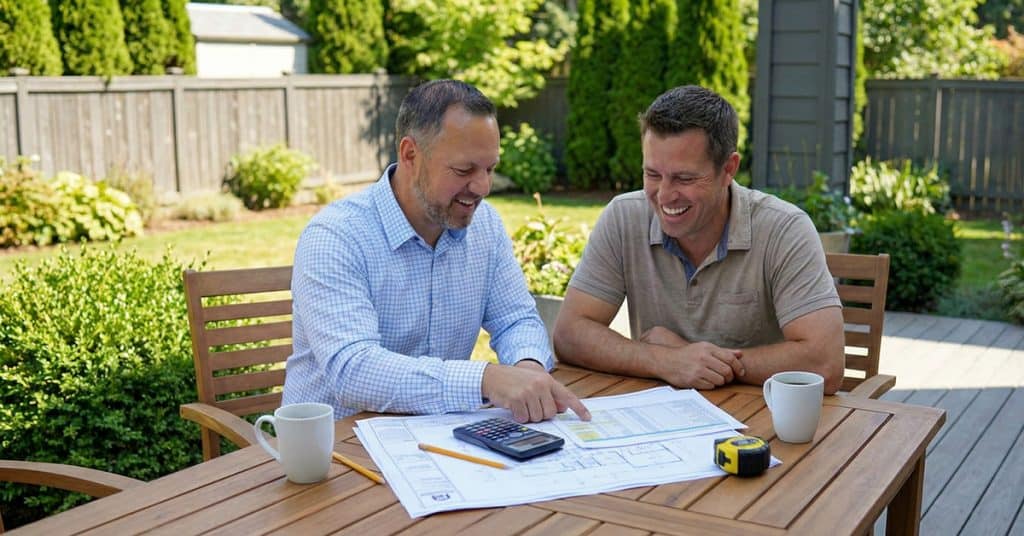
4. What Happens When Reality Doesn’t Match the Plan Mid-Project?
How You Handle Scope Changes and Unexpected Site Challenges
Every landscape project hits surprises. You dig and find buried concrete. Drainage issues appear that weren’t visible initially. Your dream fire pit location conflicts with an underground utility line. Ask your landscape professional how they communicate these discoveries and pivot the design.
Do they call you immediately or make decisions without your input? The best designers treat unexpected challenges as problem-solving opportunities, not excuses for delays.
Additional Fees and Change Order Policies
A Puyallup homeowner told me her designer quoted one price but added 40% in surprise fees for “unforeseen conditions.” She felt trapped mid-project with her yard torn up. Ask upfront how change orders work and what triggers additional costs.
Get their policy in writing. Legitimate extra charges happen, but you deserve transparency about pricing structure before committing. Request examples of past projects where scope changed and how they handled billing.
Problem-Solving Approach When Things Go Wrong
Questions that reveal their problem-solving style:
- Can you share an example of a project that didn’t go as planned and how you fixed it?
- What’s your communication protocol when issues arise?
- Do you present multiple solutions or just tell me what you’ve already decided?
- How quickly do you typically respond to concerns during active projects?
Listen for ownership and creativity in their answers, not blame-shifting or rigid thinking about landscape plans.
5. What Credentials, Licensing, and Insurance Do You Carry?
Washington State Licensing Requirements for Landscape Work
Washington requires contractors performing work over $1,000 to hold proper licensing. Ask for their license number and verify it through the Department of Labor and Industries website. Some landscape architects hold design credentials but lack contractor licensing for installation. If they’re building retaining walls, installing irrigation, or doing hardscaping, they need the appropriate contractor license.
Liability Insurance and Workers Compensation Coverage
A Tacoma homeowner hired an unlicensed crew in 2023 who damaged her sewer line during excavation. One crew member also got injured on her property. She learned through a neighborhood forum that without proper insurance, she was liable for both the repairs and medical bills. Request certificates of liability insurance and workers compensation. Verify they’re current and cover the scope of your project.
Background Checks and Professional Certifications
Ask if crew members are background-checked, especially if you have children or work from home. Professional certifications in horticulture, sustainable irrigation, or specialized areas like storm drain management indicate ongoing education. Degrees from programs like California Polytechnic State University or similar landscape architecture schools show formal training, though experience often matters more than credentials alone.
Table: Credentials Checklist for Hiring a Landscape Designer
| Credential Type | What to Verify | Why It Matters | How to Check |
|---|---|---|---|
| Contractor License | Active Washington State license for work over $1,000 | Legal requirement; protects you from liability | WA Dept. of Labor & Industries website |
| Liability Insurance | Minimum $1-2 million coverage | Covers property damage during installation | Request certificate; call insurer to verify |
| Workers Compensation | Current coverage for all crew members | Protects you if worker injured on your property | Request certificate; verify with insurance company |
| Business License | Valid local business registration | Indicates legitimate, established business | City or county business licensing department |
| Background Checks | Crew members screened | Safety for families and home security | Ask directly about their policy |
| Professional Certifications | Horticulture, irrigation, or design credentials | Shows ongoing education and expertise | Request copies or verify through issuing organizations |
6. How Much Will This Actually Cost and What’s Your Payment Structure?
Design Fees vs. Installation Costs Broken Down
Some landscape professionals charge flat design fees, others apply design costs toward installation if you hire them for the full project. Ask for itemized estimates separating schematic design work from actual construction and plant material costs. This breakdown helps you understand where your money goes and makes it easier to phase projects if budget becomes tight or prioritize spending on elements that matter most.
Fixed Bid vs. Cost-Plus Pricing Models
Fixed bids give you price certainty but may include padding for potential issues. Cost-plus pricing charges actual costs plus a markup, offering transparency but less predictability. Ask which model they use and why they recommend it for your outdoor space.
A young family in Gig Harbor learned their designer used cost-plus in 2022, mentioned by their realtor. Material prices jumped mid-project, pushing their budget 30% over initial estimates.
Ways to Reduce Costs Without Sacrificing Quality
Ask your landscape designer about phasing options. Install hardscaping and drainage methods first, add plant material later. Choose native plants over exotic specimens for lower costs and better survival rates. Consider permeable paving alternatives to expensive stone.
A drip irrigation system costs less upfront than in-ground sprinklers but delivers better water conservation. Smart designers can work within your budget without compromising the integrity of your landscape plans.
7. What Will Maintenance Look Like After Installation?
Realistic Care Requirements for Your New Landscape
Your designer should give you honest maintenance expectations before you commit. That lush garden design with exotic plant material might need weekly attention. Ask specifically how many hours per month your outdoor space will require and what tasks you’ll face.
Some designers oversell low-maintenance landscapes that actually demand constant pruning, fertilizing, and irrigation adjustments. Get realistic numbers so you can plan your time or budget for professional help.
Seasonal Maintenance Needs in the Pacific Northwest
Our region demands different care every season. Spring requires pruning and mulching. Summer means adjusting your drip irrigation system as temperatures rise. Fall brings leaf cleanup and preparing plants for wet winters. Ask your landscape professional to outline a seasonal maintenance calendar specific to the plant material they’re recommending.
Do those rain gardens need special winter care? How often will that water feature require cleaning in our algae-friendly climate?
Ongoing Maintenance Services vs. DIY Options
A busy executive couple in University Place hired a designer in 2020 who created a beautiful space but provided zero maintenance guidance. A neighbor mentioned they spent every weekend struggling to keep up until the landscape deteriorated.
Ask if the designer offers ongoing maintenance services or can recommend reliable companies. Get a clear picture of DIY requirements versus professional needs.
Maintenance questions that protect your investment:
- Which tasks require professional expertise versus homeowner care?
- How will seasonal pruning needs affect my time commitment?
- What happens if I skip recommended maintenance for a few months?
- Can you connect me with maintenance services familiar with your designs?
How Father Nature Landscapes Makes the Hiring Decision Easy
Our Comprehensive Design-Build-Maintain Approach
We answer every question on this list with complete transparency because we’ve structured our business to eliminate the typical frustrations. I handle your entire outdoor space transformation from initial landscape design through installation and ongoing care. No juggling contractors.
No designer who disappears after handing you plans. One team manages your project from concept to the weekly maintenance that keeps it pristine. That’s how we’ve completed 500+ projects without the chaos.
Pacific Northwest Expertise Built Over 500+ Tacoma Projects
I’ve spent 18 years solving drainage challenges in Pierce County’s clay soil and selecting native plants that thrive through our wet winters and dry summers. Our portfolio includes properties in Tacoma, Gig Harbor, and Puyallup with every imaginable site challenge.
We incorporate rain gardens, sustainable irrigation, and proper soil preparation because we understand exactly what works here. Your landscape professional should know Pacific Northwest conditions intimately, not just apply generic solutions from other climates.
Transparent Process with Licensed, Insured Uniformed Crews
We’re fully licensed, bonded, and insured with background-checked professionals on every job site. You’ll receive detailed estimates separating design fees from installation costs upfront. Our uniformed crews arrive on schedule, and I stay involved throughout your project.
No surprise fees, no scope creep without discussion, no unreliable contractors. When you’re ready to stop worrying about hiring the wrong landscape designer, contact us for a free consultation. Let’s create your outdoor sanctuary together.
Frequently Asked Questions
1. Should I get multiple bids before hiring a landscape designer?
Absolutely. Interview at least three designers to compare their approach, expertise, and pricing models. This helps you understand market rates and identify who truly understands your vision. The cheapest bid often signals cut corners, not value.
2. What red flags should I watch for during the consultation?
Be wary of designers who skip site assessments, can’t provide local references, or pressure you to sign immediately. Vague answers about licensing, insurance, or their specific role in installation are major warning signs. Trust your gut about communication style and professionalism.
3. How do I verify a landscape designer’s credentials and licensing?
Check Washington State’s Department of Labor and Industries website to verify contractor licenses. Ask for insurance certificates and call the insurance company directly to confirm coverage. Request references and actually contact them. Legitimate professionals expect and welcome verification.
4. What should I bring to the first consultation with a landscape designer?
Bring photos of styles you like, measurements of your property if available, and a realistic budget range. Share any problem areas like drainage issues or failed plants. Honesty about your budget and maintenance willingness helps designers create appropriate solutions.
5. What questions reveal if a designer truly knows Pacific Northwest landscaping?
Ask about native plant recommendations for Tacoma’s clay soil and rainfall patterns. Request examples of drainage solutions they’ve implemented locally. Their answers should reference specific species, soil amendments, and regional challenges. Generic responses signal they lack crucial local expertise.
Conclusion
Hiring a landscape designer doesn’t have to feel risky when you ask the right questions. After 18 years and hundreds of projects across Tacoma, we’ve perfected a transparent process that eliminates the usual frustrations with unreliable contractors and miscommunication. We handle design, installation, and maintenance under one trusted team so you can finally reclaim your weekends and enjoy a beautiful outdoor space.
Ready to start your transformation? Book a free consultation today and let’s discuss your vision.