
By Chris Sheer, Co-owner, Father Nature Landscapes of Tacoma
Phased landscape design lets you create your dream outdoor space by breaking one comprehensive master plan into smaller, budget-friendly projects spread over multiple years. After 18 years of helping Tacoma homeowners turn $60,000 visions into reality without the financial gut-punch, I can tell you this approach isn’t a compromise. It’s actually smarter than writing one massive check.
You get professional design expertise upfront, avoid expensive do-overs, and tackle each landscaping project when your budget allows. Your yard looks intentional at every stage, not half-finished. And the best part is you can start planning now and break ground this spring.
Chris’ Quick Takeaways
- One master plan upfront prevents expensive do-overs across all future phases
- Phase one always includes grading, drainage, and irrigation infrastructure before anything decorative
- Design fees get credited back to your first construction phase when you commit within 12 months
- Install conduit and utility sleeves during early phases even for features you won’t build until later
- Most clients budget $15,000 to $30,000 annually, spacing phases 12 to 18 months apart
- Your yard looks intentionally finished at every stage, not half-done or abandoned
- January design work means you’re first in line when spring construction season begins
Table of Contents
Your $75,000 Landscape Quote Doesn’t Mean You Have to Wait 10 Years
The Master Plan Advantage That Changes Everything
When I hand someone a landscape master plan, I’m giving them a roadmap they can execute over two to five years without second-guessing every decision. The entire design gets created upfront by a landscape designer who accounts for utilities, drainage, and how your outdoor space will function long-term. You spend once on professional design, then build in phases without expensive mistakes.
What Most Homeowners Get Wrong About Landscape Budgeting
Most people think phased landscape design means winging it and adding random features whenever cash appears. That’s how you end up ripping out a concrete patio because you forgot to run electrical conduit underneath. We create one complete vision first, then break the landscaping project into logical chunks. Your property looks finished at every stage, and future phases simply build on what’s already there without demolition.
How Pacific Northwest Growing Seasons Actually Work in Your Favor
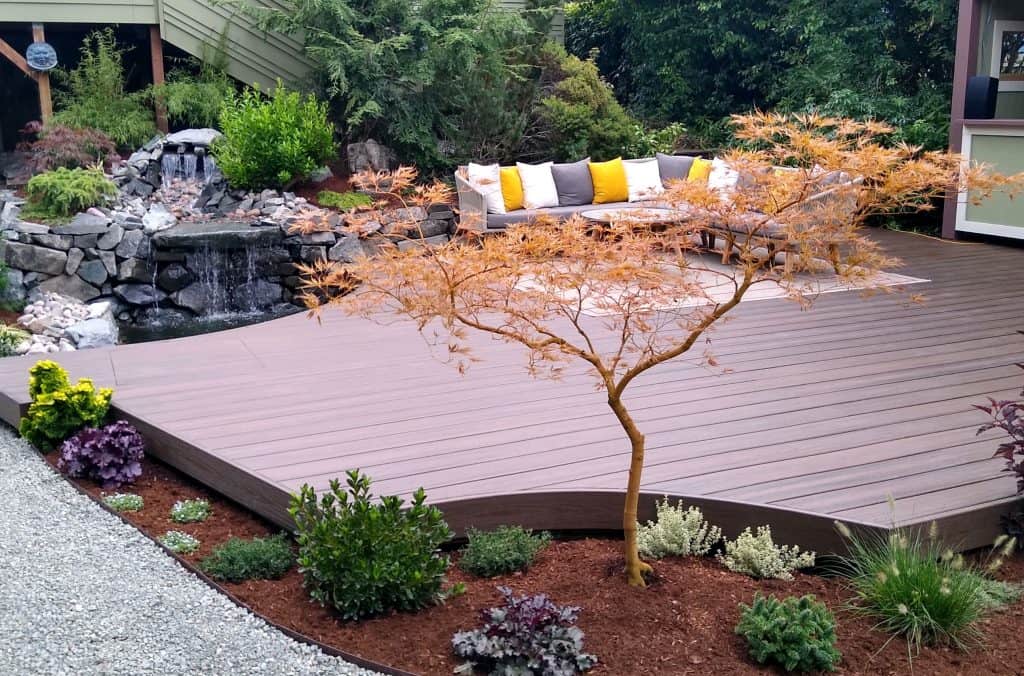
Here’s something that surprises clients. Trees and native plants need years to mature anyway, so installing them in phase one gives you better results than cramming everything into one rushed construction timeline. I plant large specimen trees early, add retaining walls and hardscape in phase two, then finish with an outdoor kitchen once those trees provide actual shade. Your landscape literally grows better this way.
How Phased Landscape Design Actually Works
The Strategic Framework Behind Professional Phasing
We start every phased approach with complete schematic design and site analysis. Our landscape architect maps your entire property, identifies existing structures and utility lines, then creates detailed construction documentation for all phases at once. You see the full design vision through 3D renderings before spending a dollar on construction. This prevents the “I wish we’d planned for that” regrets that cost thousands to fix later.
Numbers From A Real Project
A Tacoma couple came to us in 2022 wanting a complete backyard renovation but only had $25,000 available initially. Their $72,000 landscape project broke down like this:
Phase One (Spring 2022) – $25,000
- Site grading and drainage correction
- Irrigation system with future zone capacity
- Patio foundation and basic hardscape
- Structural trees and privacy screening
Phase Two (Fall 2023) – $28,000
- Outdoor kitchen with gas and electrical
- Retaining walls and raised landscape beds
- Meandering paths connecting spaces
Phase Three (Spring 2024) – $19,000
- Water features with pre-installed pumps
- Finishing plantings and butterfly garden
- Landscape lighting on existing conduit
What Happens During Each Stage of a Multi-Year Plan
Each phase of your landscape renovation gets treated as its own complete design project with permits, material ordering, and our uniformed crews working on scheduled timelines. We store your master plan and revisit it before each new phase, adjusting for any site changes or your evolving priorities. Most clients space phases 8 to 18 months apart, giving plants time to establish and budgets time to rebuild.
Table: Typical Phase Breakdown for a $60,000-$80,000 Pacific Northwest Landscape Project
| Phase | Timeline | Budget Range | What Gets Done | Why This Order Matters |
|---|---|---|---|---|
| Phase 1 | Year 1, Spring | $22,000-$28,000 | Site grading, drainage correction, irrigation mainline, structural trees, basic hardscape foundation, utility sleeves | Establishes proper water management and infrastructure that everything else depends on |
| Phase 2 | Year 2, Spring/Fall | $20,000-$30,000 | Retaining walls, patio completion, outdoor kitchen with gas/electric, major plantings, meandering paths | Builds primary functional areas once trees have one growing season established |
| Phase 3 | Year 3, Spring | $15,000-$22,000 | Water features, fire features, finishing plantings, landscape lighting, decorative elements | Adds luxury features after core functionality is complete and working properly |
The Smart Order for Tackling Your Phases
Phase One Should Always Include These Elements
I always start phased landscape projects with the boring stuff that prevents disasters. Proper grading fixes drainage and stormwater runoff issues before anything else touches your property. We install irrigation system mainlines and lighting conduit even for areas you won’t landscape until phase three. Then we plant structural trees and establish privacy screening because these need years to mature anyway, giving you immediate bones for the entire outdoor environment.
What to Save for Later Phases Without Regretting It
Decorative elements can absolutely wait without causing problems. We often postpone fire features, swimming pools, and elaborate water feature installations until later phases when your budget rebuilds. Finishing touches like butterfly gardens, seasonal color rotations, and decorative hardscape finishes work beautifully as phase three or four additions. Your landscape looks complete with functional areas established first, then we layer in the luxuries that make outdoor living truly special.
The Hidden Costs of Getting the Order Wrong
A University Place homeowner decided to skip our recommended phasing plan in 2021 and installed a beautiful concrete patio first to “have something nice immediately.” When they were ready for phase two’s outdoor kitchen 18 months later, we had to jackhammer through that $8,000 patio to run gas lines and electrical they’d skipped. They ended up paying for the same patio twice, plus disposal fees and repair work that added $4,200 to their landscape project budget.
How to Prevent Your Yard From Looking Half-Finished During the Process
The Design Secrets That Make Incomplete Projects Look Intentional
Good landscape designers plan visual cohesion for every single phase of your landscape phasing plan. We use pines bark mulch and simple groundcovers to finish areas earmarked for future development, creating clean edges that look purposeful rather than abandoned. Strategic placement of native plants and specimen trees in phase one establishes structure, so even before hardscape construction begins, your outdoor space reads as thoughtfully designed rather than incomplete.
Managing Your Neighbors’ Expectations (And Your Own)
Here’s what I tell clients during the initial consultation. Your property will look better after phase one than most fully finished yards in your neighborhood because we’re installing professional-grade materials and plants from day one.
A Puyallup client worried her neighbors would judge the “unfinished” backyard in 2023. After we completed phase one with structural plantings, a new patio foundation, and clean mulched beds, two neighbors asked for our contact information thinking the project was done.
Temporary Solutions That Actually Improve Your Landscape
We use interim solutions that add genuine value rather than looking like placeholders. Consider these practical approaches for phased landscape remodel projects:
- Install a shade sail over your patio area instead of building a full pergola immediately
- Use attractive container gardens to fill future planting beds with seasonal color
- Add simple stepping stone paths that later become permanent meandering paths
- Plant fast-growing privacy screening while slower specimen trees mature
These temporary features often stay permanently because clients love how they function in the outdoor environment.
Master Planning Costs vs. Winging It
What You Actually Pay for Professional Landscape Design
A comprehensive landscape master plan for a typical Tacoma property runs $2,500 to $6,500 depending on lot size and complexity. You get complete construction documentation, site plan drawings, detailed planting specifications, and 3D renderings showing exactly how each phase will look. We include site inventory analysis, soil condition reports, and utility line mapping. Think of it as paying once for a roadmap that prevents expensive wrong turns over the next several years.
The Hidden Price Tag of Skipping the Master Plan
I’ve watched homeowners spend $15,000 fixing mistakes they made trying to save $4,000 on design fees. One Gig Harbor couple in their late 50s installed a beautiful entertainment space in 2020 without professional site analysis. They discovered too late their soil condition couldn’t support the weight, causing $11,000 in foundation repairs plus complete reconstruction. A landscape architect would have identified the issue during preliminary design, recommending proper soil amendments before any hardscape construction started.
How Design Fees Get Applied to Your First Phase
We credit your full design investment toward phase one construction when you move forward within 12 months of design completion. Your $4,200 spent on the landscape master plan becomes $4,200 off your first landscaping project invoice. This makes professional design development essentially free when you commit to the phased approach. You get expert guidance protecting your investment, then that protection cost disappears into your construction budget.
Budgeting Each Phase Without Losing Sight of Your Vision
How Much Should You Allocate Per Year
Most of our clients budget $15,000 to $30,000 annually for phased landscape projects, spacing construction 12 to 18 months apart. This matches naturally with annual bonuses, tax returns, or planned home improvement allocations. I recommend setting aside roughly 30% of your total landscape project cost for phase one since that’s when we handle infrastructure, grading, and irrigation system installation. Later phases often cost less because the expensive groundwork is already complete.
Creative Financing Strategies That Actually Work
Smart homeowners treat landscape phasing like any other staged home improvement. One Tacoma family in 2023 allocated their annual $20,000 home equity line specifically for outdoor renovation, completing three phases over 42 months. Another couple used tax refunds plus birthday gift money from relatives who loved contributing to something visible. We’ve seen clients time phases around work bonuses, inheritance distributions, and even refinancing savings when rates dropped, making the design vision financially painless.
When to Pause and When to Push Forward
I tell clients to wait between phases when newly installed plants need a full growing season to establish roots before surrounding construction begins. Pause if your financial situation changes or you want to actually live in the completed phase before committing to the next section. Push forward when weather windows align perfectly, when material costs drop, or when our landscaping team has immediate availability. Sometimes tactical timing saves thousands on a landscape contractor’s schedule.

Making Sure Future Phases Don’t Require Tearing Up Finished Work
The Critical Role of Sleeving and Infrastructure Planning
We install empty conduit and sleeves during phase one even for features you won’t build until phase three. This means running electrical conduit to your future outdoor kitchen location, placing water feature pumps access points, and stubbing gas lines before pouring any concrete patio or installing hardscape. Professional landscape contractors call this “building smart bones.” You spend maybe $800 extra now to avoid $6,000 in demolition and reconstruction costs later when you’re ready for those fire features.
Grading and Drainage Decisions You Can’t Undo Later
Your site’s grading affects every single thing we build on your property, which is why it must happen first in any landscape phasing plan. I’ve seen homeowners pour beautiful patios that became swimming pools after Pacific Northwest winter rains because nobody addressed stormwater runoff patterns first. We establish proper drainage slopes, install French drains where needed, and direct water away from existing structures before touching decorative elements. Fix drainage wrong and you’ll fight it forever across all future phases.
Smart Irrigation System Design for Expandable Landscapes
A properly designed irrigation system for phased landscape projects includes these expandable elements from day one:
- Mainline capacity sized for your complete master plan, not just phase one
- Valve boxes with extra zones already stubbed for future landscape beds
- Controller with additional station capacity you’ll activate later
- Pressure calculations accounting for sprinkler systems you haven’t installed yet
A young Puyallup couple learned this lesson expensively in 2021. Their phase one contractor installed an irrigation system sized only for current needs. When they added phase two outdoor rooms 14 months later, the existing mainline couldn’t handle additional zones, requiring complete replacement at $5,400.
Table: Infrastructure Elements to Install in Phase One (Even If You Won’t Use Them Until Later)
| Infrastructure Element | Approximate Cost Now | Cost If Added Later | Why It Matters |
|---|---|---|---|
| Electrical conduit to future outdoor kitchen | $400-$650 | $3,500-$5,200 | Avoids jackhammering through finished patio or paths |
| Irrigation mainline sized for full property | $800-$1,400 | $4,800-$6,500 | Prevents replacing undersized system when adding zones |
| Gas line stub to fire feature location | $600-$950 | $4,200-$6,800 | Eliminates trenching through established landscape beds |
| Lighting conduit to future outdoor rooms | $350-$600 | $2,800-$4,500 | Allows simple wire-pulling instead of new trenching |
| Water feature pump access and electrical | $500-$850 | $3,200-$5,400 | Prevents tearing up hardscape for pump installation |
How Father Nature Landscapes Approaches Phased Projects in the Pacific Northwest
Our 18-Year Track Record With Multi-Phase Transformations
Since 2006, we’ve completed over 500 landscape projects across Tacoma, Gig Harbor, and Puyallup, with roughly 40% using phased approaches. Our landscape design-build firm handles everything from initial consultation through final installation, so you work with one trusted landscaping team across all phases instead of coordinating multiple contractors.
Why January Is the Perfect Time to Start Your Master Plan
Winter is our design season, giving you our landscape architect’s full attention without competing against active construction schedules. We complete your landscape master plan by March, submit any government approval requirements, and break ground the moment Pacific Northwest weather permits. You’re first in line when spring construction begins rather than waiting until summer.
What to Expect During Your Initial Consultation
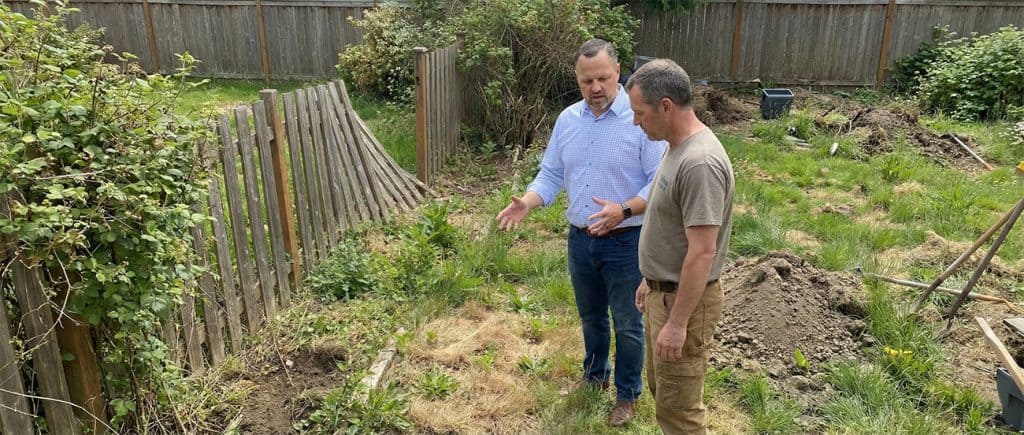
We start with a collaborative approach, walking your property together to discuss your design vision, existing site challenges, and long-term goals. I ask about entertaining habits, maintenance preferences, and budget realities. You’ll leave with preliminary design concepts, realistic phasing options, and transparent pricing for each stage of your outdoor renovation project.
Frequently Asked Questions
1. Can I change my mind about later phases after we complete phase one?
Absolutely. Your landscape master plan is a guide, not a contract prison. We revisit the design before each new phase and adjust based on how you’ve actually used the space, budget changes, or evolving priorities for your outdoor living areas.
2. Will material prices increase if I wait years between phases?
Material costs do fluctuate, but spreading your landscape project over time often balances out. We can lock in pricing for upcoming phases with advance deposits, and phasing actually protects you from overextending financially during unexpected price spikes that hit the construction industry.
3. Do you store my master plan between phases or do I need to keep track of it?
We maintain all your construction documentation, site plans, and design concepts in our project management system. When you’re ready for the next phase, I pull your complete file and we pick up exactly where we left off without recreating anything.
4. What happens if I want to sell my house before completing all phases?
Your completed phases plus the professional master plan actually increase property value and buyer appeal. We’ve seen partial projects sell faster because buyers love seeing the design vision already mapped out, showing exactly what the outdoor space can become.
5. Can I hire a different landscape contractor for later phases to save money?
You legally can, but you’ll likely spend more fixing communication gaps and design interpretation issues. Our warranty coverage, soil condition knowledge, and existing utility line documentation from phase one make us the most efficient choice for completing your specific landscape renovation.
6. How do you handle warranty coverage across multiple years and phases?
Each phase gets its own warranty starting from that phase’s completion date. Your phase one plantings carry our guarantee even while we’re building phase three years later. We track everything in our system and honor all commitments regardless of project timeline.
7. What if Pacific Northwest weather delays my planned construction timeline?
Weather delays happen, especially during our wet seasons. We build buffer time into every construction timeline and communicate proactively when conditions affect scheduling. Your phased approach actually gives us flexibility to optimize around seasonal considerations rather than rushing through poor weather windows.
Conclusion
Your dream outdoor sanctuary doesn’t require a massive upfront investment or years of waiting. Phased landscape design gives you professional expertise, strategic planning, and gorgeous results that fit your actual budget timeline. We’ve helped hundreds of Tacoma area families create outdoor spaces they’re proud of without financial stress. Our team handles everything from initial site analysis through final installation, ensuring each phase builds perfectly toward your complete vision.
Ready to see what’s possible for your property? Book a free consultation and let’s create your custom phased plan today.