By Chris Sheer, Co-owner, Father Nature Landscapes of Tacoma
Pacific Northwest landscape design succeeds when you work with our rain-soaked winters and bone-dry summers instead of fighting them. After 18 years transforming Tacoma properties, I’ve learned that thriving outdoor spaces in our region demand native plants that handle moisture extremes, drainage solutions that prevent soggy disasters, and design elements that deliver visual interest when everything else goes dormant. Most homeowners waste thousands on plants that fail within two seasons because they ignore our unique climate.
Let me guide you exactly how to create a garden design that performs year-round in the Pacific Northwest.
Chris’ Quick Takeaways
- Pacific Northwest landscapes must handle 41 inches of winter rain and bone-dry summers from July through August
- Native plants outperform imports by supporting 15 times more local wildlife and requiring zero supplemental watering once established
- Drainage solutions aren’t optional here; French drains and rain gardens prevent thousands in replanting costs
- Japanese-inspired designs and modern woodland gardens work beautifully because they match our natural climate and aesthetic
- Evergreen structure and textural grasses deliver year-round interest during our long dormant season from October through April
- DIY mistakes cost $8,000+ in failed plantings when regional expertise gets ignored
- Professional 3D visualization shows exactly how your outdoor space performs at maturity before we break ground
Table of Contents
What Makes Pacific Northwest Landscape Design Different From Other Regions
Our Wet Winters and Dry Summers Shape Every Design Decision
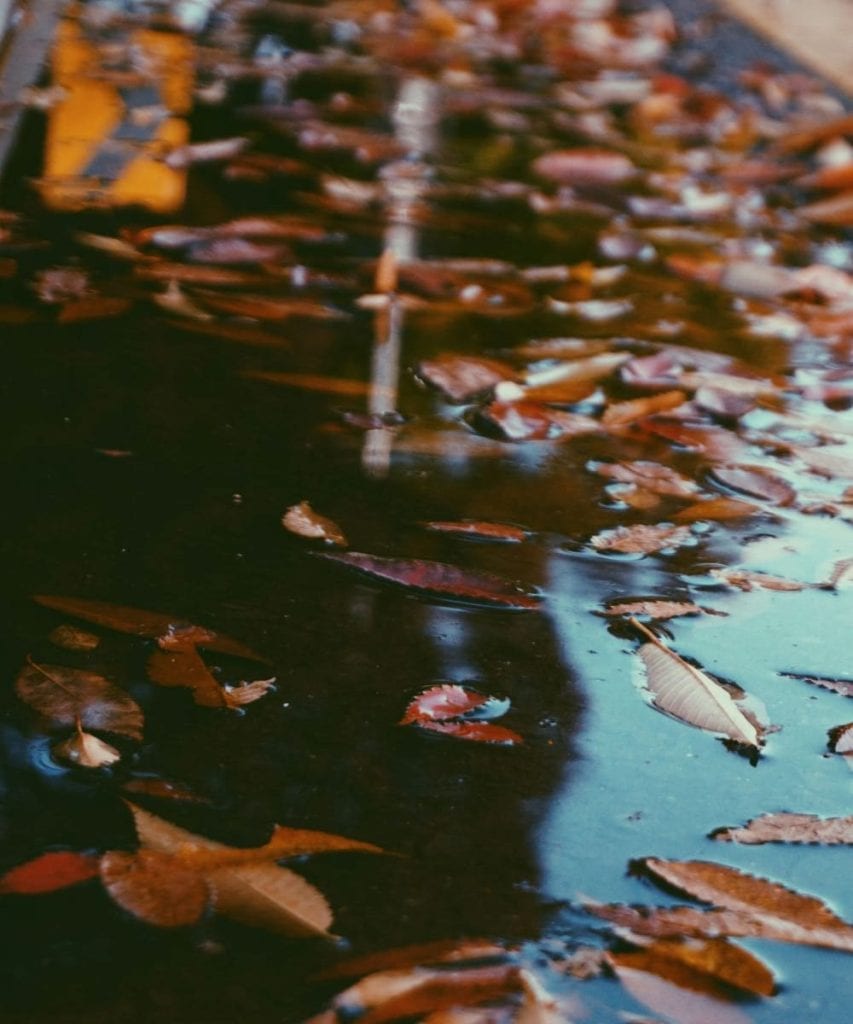
We receive 41 inches of rain annually in Tacoma, but almost none falls between July and September. This extreme swing forces us to select plants that handle waterlogged soil in January and then survive bone-dry conditions by August. I’ve watched countless homeowners waste money on sun-loving perennials that rot during our soggy winters or shade plants that crisp up during summer droughts.
Rain-Driven Drainage Solutions That Actually Work
The 2024 water year ranked as the fourth warmest on record across our 129-year climate history in the Pacific Northwest, intensifying our drainage challenges. French drains, rain gardens, and graded slopes aren’t optional extras here.
A University Place couple came to us after their previous landscaper ignored drainage, leaving them with a backyard that turned into a swamp every November through March, killing their entire planting bed investment within two seasons.
Creating Year-Round Visual Interest When Most Plants Go Dormant
Our dormant season stretches from October through April, when most perennials disappear completely. We layer evergreen conifers like Douglas firs with winter-blooming options and structural grasses that catch morning frost. The secret sits in choosing plants for bark texture, seed heads, and foliage color rather than relying solely on flowers that vanish after six weeks.
How to Select Plants That Thrive in Tacoma’s Unique Climate?
Native Species That Require Almost Zero Maintenance
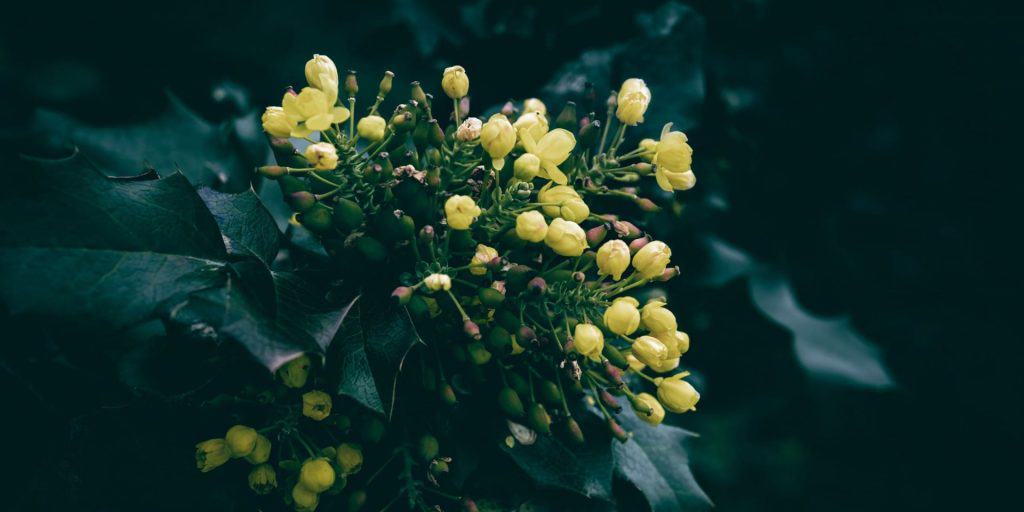
Native plants supported 15 times as many caterpillar species as non-natives in recent research, proving their ecosystem value beyond simple aesthetics. Vine maple, Lenten rose hybrids, and Oregon grape establish deep root systems that handle our climate extremes without constant intervention. Once established, these plants need zero supplemental watering and resist local pests that decimate imported ornamentals.
Drought-Tolerant Options for Our Rainless July and August
Your summer plant selections must survive eight weeks with zero rainfall and limited irrigation restrictions. We rely heavily on drought-tolerant shrubs, Mexican bush sage, and giant feather grass that actually prefer dry conditions once their roots establish.
A retired Gig Harbor couple prioritizing water conservation asked us to eliminate their thirsty lawn in 2023, so we installed a xeric landscape featuring moonbeam coreopsis and gulf muhly grass that’s thrived through two summers without a single sprinkler cycle.
Top Drought-Tolerant Performers for Tacoma Gardens:
- Mexican bush sage for late-season purple blooms
- Giant feather grass for movement and texture
- Moonbeam coreopsis for cheerful yellow flowers
- Gulf muhly grass for pink fall color
- Blackfoot daisy for ground coverage
Shade-Loving Choices for Properties with Towering Douglas Firs
Dense canopy from mature conifers blocks 80% of available sunlight, creating challenging conditions for most flowering plants. Chilean hard fern, alpine water fern, and Taiwan mondo grass flourish in these acidic, root-dense environments. I’ve installed shade garden designs under established Douglas firs where hostas and astilbe varieties deliver seasonal interest without competing for resources with those massive root systems.
Table: Pacific Northwest Plant Selection Guide by Seasonal Conditions
| Season/Condition | Plant Type | Specific Species | Why It Works Here |
|---|---|---|---|
| Wet Winter Tolerance | Evergreen Fern | Chilean Hard Fern | Thrives in saturated acidic soil under conifers |
| Wet Winter Tolerance | Groundcover | Taiwan Mondo Grass | Handles standing water without root rot |
| Dry Summer Performance | Ornamental Grass | Giant Feather Grass | Needs zero irrigation after establishment |
| Dry Summer Performance | Perennial | Mexican Bush Sage | Prefers drought conditions once rooted |
| Year-Round Structure | Native Shrub | Vine Maple | Provides spring flowers, fall color, winter bark |
| Year-Round Structure | Conifer | Hinoki Cypress | Evergreen texture with minimal water needs |
| Shade Under Douglas Firs | Fern | Alpine Water Fern | Tolerates dense canopy and acidic soil |
| Shade Under Douglas Firs | Perennial | Lenten Rose Hybrids | Blooms February-April in deep shade |
Design Styles That Actually Work in the Pacific Northwest
Modern Woodland Gardens with Natural Stone and Water Features
We draw inspiration from native woodland settings by layering stone pathways, rock waterfalls, and planting beds that mimic forest floor ecosystems. This approach works beautifully here because it celebrates our natural Douglas fir and cedar canopy rather than fighting against it. Stone-lined streams and water features integrate seamlessly into our rainy climate, creating focal points that look intentional rather than forced into an incompatible environment.
Japanese-Inspired Spaces That Honor Our Regional Heritage
The Puget Sound region shares striking similarities with coastal Japan in climate, vegetation patterns, and cultural appreciation for rain gardens. Hinoki cypress, Japanese maples, and carefully pruned evergreens thrive in our acidic soil and moderate temperatures. The Portland Japanese Garden stands as proof that this aesthetic belongs here, using stone steps, decorative rocks, and minimalist design principles that resonate with our Pacific Northwest sensibility.
Elements That Define Successful Japanese Gardens in Our Region:
- Hinoki cypress for vertical structure and fragrance
- Japanese maples for seasonal color transitions
- Stone pavement creating intentional pathways
- Privacy screens using bamboo or evergreen hedges
- Water features with moss-covered rocks
Contemporary Outdoor Living Areas Built for Our Temperate Summers
Our mild summers averaging 75 degrees create perfect conditions for outdoor rooms with fire features and covered entertaining spaces. A North Tacoma family in their early 40s requested a modern outdoor fire feature in 2022 that would extend their usable season into October evenings. We installed a corten steel fire pit surrounded by built-in seating and overhead pergola coverage, delivering a space they now use nine months yearly instead of the typical three.
Working with Tacoma’s Microclimates to Maximize Your Garden’s Performance
Identifying Sun Pockets in Otherwise Shaded Properties
Even properties dominated by mature Douglas firs contain small areas receiving four to six hours of direct sunlight where you can grow sun-loving perennials. We map your yard’s light patterns throughout the day and across seasons to identify these valuable spots. Southern-facing walls, gaps in the urban canopy, and cleared understory areas become prime locations for vegetable gardening beds or flowering borders that would fail in shadier sections.
Using Existing Trees as Design Assets Instead of Obstacles
Your established conifers provide free privacy screening, wind protection, and structural framework worth thousands if you had to install them from scratch. We design around these trees rather than removing them, incorporating their natural beauty into the overall landscape instead of treating them as problems. The acidic soil and dappled shade they create actually expand your plant palette to include stunning woodland species unavailable to properties lacking mature trees.
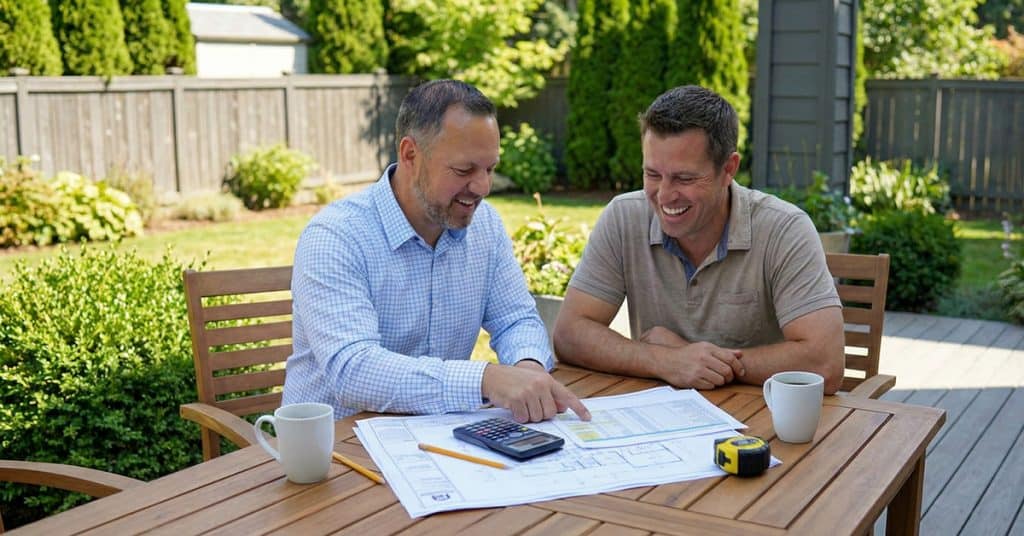
Creating Warm Zones for Tender Plants Using Microclimates
Protected south-facing areas near your home’s foundation or stone walls can be 5 to 10 degrees warmer than open yard spaces, allowing borderline-hardy plants to thrive. We’ve successfully grown plants rated for Zone 9 in Tacoma’s Zone 8b by positioning them in these warm microclimates with radiant heat from hardscape.
A gardener in Highland Village wanted to push boundaries in 2018, so we created a sheltered courtyard with stone pavement that now supports fragrant plants and tender perennials her neighbors can’t grow in exposed locations.
Common Pacific Northwest Landscape Design Challenges
1. Managing Soggy, Moss-Covered Soil Without Constant Frustration
Moss isn’t your enemy in Pacific Northwest landscapes; it’s an indicator that you’re working against natural conditions. We install French drains and rain gardens that redirect winter water into planted depressions filled with moisture-loving ferns and sedges. This water-wise method eliminates standing water problems and creates beautiful garden design features rather than fighting a battle you’ll never win against our 41 inches of annual rainfall.
2. Working with Acidic Soil Under Mature Cedar and Fir Trees
Your soil pH under established conifers typically measures between 4.5 and 5.5, making it hostile territory for most flowering perennials. We select acid-loving plant selections like Chilean hard fern, rhododendrons, and native woodland groundcovers that actually prefer these conditions. The soil biome under Douglas firs contains beneficial mycorrhizal networks that these specialized plants tap into, eliminating the need for soil amendments that wash away during our rainy climate.
3. Designing Sloped Properties That Embrace the Terrain Instead of Fighting It
A Puyallup homeowner facing a steep landscaped hill came to us frustrated after three contractors proposed expensive retaining walls exceeding $40,000. We designed stone staircases integrated with terraced planting beds and drought-tolerant trees that stabilized the slope naturally. The solution cost 60% less and created multiple garden rooms at different elevations, turning their biggest liability into their property’s most distinctive feature.
Table: Common Pacific Northwest Landscape Problems and Professional Solutions
| Problem | DIY Attempt (Usually Fails) | Professional Solution | Long-Term Result |
|---|---|---|---|
| Standing water in winter | Add topsoil or sand | French drains with rain gardens | Eliminates soggy areas permanently |
| Plants die every summer | Water more frequently | Drought-tolerant species selection | Zero supplemental watering needed |
| Moss overtaking lawn | Chemical treatments | Embrace moss in shade areas | Beautiful low-maintenance groundcover |
| Nothing grows under firs | Keep trying sun plants | Acid-loving ferns and woodland natives | Thriving shade garden year-round |
| Steep slope erosion | DIY rock placement | Terraced planting beds with stone stairs | Stable slope with multiple garden rooms |
| No year-round interest | Replant seasonally | Evergreen structure with textural grasses | Four-season visual appeal |
| Privacy issues | Fast-growing cheap shrubs | Layered evergreens with custom screening | Immediate privacy that lasts decades |
Budget-Smart Pacific Northwest Landscape Design Strategies That Deliver Maximum Impact
Phasing Your Project Over Multiple Years Without Sacrificing the Vision
We design master plans that show the complete vision but allow you to install sections as your budget permits over two to five years. This approach prevents the disjointed look that happens when homeowners add random elements without an overall strategy. Start with hardscape and evergreen structure in year one, add perennial borders in year two, and finish with specialty features like water elements or fire pits once the foundation plants establish.
Investing in Hardscape First Saves Money on Future Replanting
Quality stone pathways, proper drainage, and graded slopes cost more upfront but prevent expensive plant replacements caused by water damage or poor placement. I’ve watched clients spend $15,000 on beautiful plant selections that died within 18 months because they skipped the unglamorous drainage work. We prioritize underground infrastructure and permanent structures before adding plants, ensuring your landscaping investment survives our climate extremes instead of requiring constant replacement.
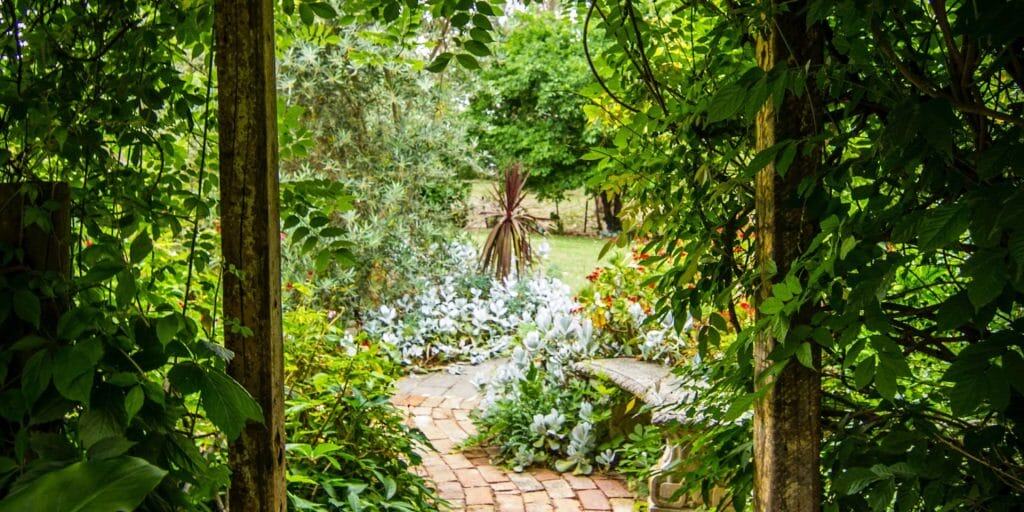
Selecting Slow-Growing Natives Over Fast-Growing Imports
Fast-growing ornamentals tempt budget-conscious homeowners but typically require replacement every five to seven years in our climate. Native plants grow slower initially but live decades longer with zero fertilizer, minimal water use, and superior pest resistance.
A young family in Lakeside purchased their first home in 2019 with a tight budget, so we installed slower-maturing vine maple and Oregon grape that cost half the price of imported Japanese maples and now look stunning without any maintenance beyond occasional pruning.
Budget Allocation Recommendations for Pacific Northwest Projects
- 40% for hardscape and drainage solutions
- 30% for trees and evergreen structure plants
- 20% for perennial and seasonal plantings
- 10% for finishing touches like mulch and edging
Creating Functional Outdoor Rooms in Your Tacoma Yard
Protected Entertainment Spaces That Handle Our Unpredictable Spring Weather
Spring in Tacoma delivers sunshine one hour and downpours the next, making uncovered outdoor spaces unusable for gatherings. We design pergolas with adjustable louvers and covered patios that shelter your furniture and guests from sudden rain without blocking natural light. These structures create microclimates within your yard, allowing you to host April barbecues and May graduations without gambling on weather forecasts.
Fire Features and Covered Patios That Extend Your Outdoor Season
Urban trees in Tacoma provide substantial temperature moderation benefits, and we amplify this effect with strategically placed fire pits and outdoor fire features. A fire pit generates comfortable warmth from September through May, turning your outdoor space into a year-round destination rather than a three-month amenity. We’ve installed modern outdoor fire features that comply with local air quality regulations and deliver active flames safe for residential properties.
Privacy Screening Using Evergreen Plants and Custom Carpentry
Your neighbors sit closer than ever in established Tacoma neighborhoods, making privacy screens essential for comfortable outdoor living. We combine fast-growing evergreen hedges with custom-crafted carpentry features like slatted fences and pergola walls that block sightlines immediately.
A mid-50s couple in University Place requested complete privacy for their hot tub area in 2021, so we installed a living wall using skip laurel backed by cedar screening, creating an intimate retreat they use four nights weekly instead of avoiding due to exposure.

Seasonal Planning for a Pacific Northwest Landscape Design That Performs All Year
Spring Blooms That Arrive When Pollinators Need Them Most
Native plants in our region evolved alongside local pollinators, timing their blooms precisely when bees and butterflies emerge from dormancy. We select early-flowering options like native currant, Oregon grape, and salmonberry that provide nectar in March and April when few other food sources exist. Research shows native plants supported 15 times as many caterpillar species as non-natives, making your spring plant selections critical for ecosystem health beyond simple aesthetics.
Summer Structure Using Conifers, Grasses, and Foliage-Forward Plants
Our dry summers demand garden design that doesn’t depend on constant flowering to maintain visual appeal. We build summer interest through textural contrasts using ornamental grasses, varied conifer forms, and plants selected for foliage color rather than blooms. Giant feather grass adds movement, drought-tolerant shrubs provide mass, and carefully chosen color palettes in greens, silvers, and burgundies create depth without requiring the water budgets that perennial borders demand.
Fall and Winter Interest Beyond the Typical Dying-Back Period
Your yard shouldn’t look abandoned from October through March when most gardens enter their dormant season. We incorporate fall interest plants with persistent seed heads, evergreen structure, and winter bark texture that actually improve as temperatures drop.
A nature-loving teacher in her late 30s requested a four-season fragrance garden in 2020, so we layered witch hazel for February blooms, fragrant plants for summer, and ornamental grasses that catch frost patterns, delivering visual interest even during January’s darkest weeks.
Table: Month-by-Month Planning Guide for Tacoma Landscape Projects
| Month | Design Phase | Installation Tasks | Maintenance Focus |
|---|---|---|---|
| January-February | Initial consultations and 3D visualization | None (ground too wet) | Prune dormant deciduous trees |
| March-April | Finalize designs and material selection | Begin hardscape work on dry days | Spring cleanup and early fertilization |
| May-June | Final approvals before peak season | Plant installation for perennials and shrubs | Establish watering schedules |
| July-August | Planning for fall projects | Avoid planting during drought period | Deep watering for new plantings only |
| September-October | Best time for new project consultations | Prime planting season for trees and natives | Fall fertilization and mulching |
| November-December | Review completed projects | Install hardscape and drainage solutions | Protect tender plants from frost |
When to Hire a Professional for Your Pacific Northwest Landscape Design
The Hidden Costs of DIY Mistakes in Our Climate
I’ve watched homeowners spend $8,000 on plants that died within eighteen months because they ignored drainage requirements or selected species suited for California rather than the Puget Sound. DIY landscape projects often overlook our wet winters and dry summers, leading to rot, fungal diseases, and complete replanting expenses. The initial savings disappear quickly when you’re replacing dead Japanese maples that needed acidic soil or ripping out patios that puddle every November.
Why Regional Expertise Prevents Expensive Plant Failures
Generic landscaping advice from national magazines fails spectacularly in our unique Pacific Northwest climate with its extreme seasonal moisture swings. We’ve spent 18 years learning which cultivars survive Tacoma’s conditions and which ones look beautiful in catalogs but struggle here.
A couple in their early 50s came to us after losing nearly $12,000 worth of sun-loving perennials their previous designer specified without understanding our heavy cloud cover from October through May, requiring a complete redesign with shade-tolerant alternatives.
Signs You Need Regional Pacific Northwest Expertise
- Your property has mature Douglas firs creating dense shade
- Drainage issues appear every winter despite DIY attempts
- Previous plantings died within two growing seasons
- You’re uncertain which native plants suit your specific microclimate
- Your yard includes challenging slopes or heavy clay soil
How Professional 3D Visualization Eliminates Guesswork
We create detailed 3D renderings that show exactly how your outdoor space will look at maturity, removing the anxiety of committing to permanent hardscape decisions. This technology lets you visualize stone pathways, fire features, and mature plant heights before we break ground. You see precise spacing, color palettes through seasons, and how design elements interact, preventing costly mid-project changes that double budgets and timelines.
Why Tacoma Homeowners Choose Father Nature Landscapes for Complete Design-Build-Maintain Solutions
18 Years of Pacific Northwest Climate Knowledge in Every Project
Since 2006, we’ve completed over 500 projects across Tacoma, Gig Harbor, and Puyallup, learning exactly which plants thrive and which fail in our specific microclimates. Our designs account for wet winters, dry summers, and acidic soil conditions that define successful Pacific Northwest landscapes.
Our Comprehensive Approach Eliminates the Coordination Headaches
We handle your entire outdoor transformation from initial landscape design through custom landscaping installation and ongoing maintenance under one team. You avoid the frustration of coordinating multiple contractors, conflicting schedules, and finger-pointing when problems arise between the designer, installer, and maintenance crew.
From First Consultation to Ongoing Care Under One Trusted Team
Your free consultation begins our relationship, followed by professional 3D visualization, expert installation with uniformed crews, and optional year-round maintenance that protects your investment. We’re the last landscape company you’ll need, delivering reliability that eliminates no-shows and delivers peace of mind through every season.
Frequently Asked Questions
1. What is the best time of year to start a Pacific Northwest landscape design project?
Fall planting from September through November gives roots time to establish during our wet winters before summer heat arrives. We can begin design consultations year-round, but installation timing matters significantly for plant survival in our climate with its dry summers and soggy winters.
2. How much does professional Pacific Northwest landscape design cost in Tacoma?
Design fees typically range from $2,000 to $8,000 depending on property size and complexity, with complete design-build projects averaging $25,000 to $75,000 for comprehensive transformations. We offer free initial consultations to discuss your vision and provide accurate estimates based on your specific goals and site conditions.
3. Can I incorporate vegetable gardening into my Pacific Northwest landscape design?
Absolutely, and our climate actually excels at growing cool-season crops like kale, lettuce, and brassicas that struggle in hotter regions. We design raised beds with proper drainage and southern exposure that extend your growing season from March through November using season-extending techniques specific to our temperate conditions.
4. What are the best native plants for a low-maintenance Pacific Northwest garden?
Vine maple, Oregon grape, salal, and sword fern require almost zero maintenance once established and support local wildlife better than non-natives. These native garden staples handle our wet winters and dry summers without supplemental watering, fertilizing, or pest treatments that imported species demand.
5. How do I deal with moss taking over my Pacific Northwest landscape?
Stop fighting it and incorporate moss as a design feature in shaded areas where grass fails anyway. We create intentional moss gardens and forest path aesthetics that celebrate our natural beauty rather than wasting money on futile treatments that temporarily suppress what thrives naturally here.
6. Do rock gardens work well in Pacific Northwest landscapes?
Rock gardens excel here when designed with proper drainage and drought-tolerant alpine plants that handle our summer dry spells. We incorporate natural stone and gravel mulches that prevent winter waterlogging and create microclimates for sedums, sempervivums, and other low-water plants that add year-round texture.
7. How can I create privacy in my small garden without blocking all the light?
We layer evergreen shrubs at varying heights with open-structure trees and strategically placed pergolas that screen views without creating dark caves. Chilean hard fern and tall ornamental grasses provide seasonal privacy while allowing filtered light, working beautifully in small gardens where space limitations demand thoughtful plant selections.
8. What makes Pacific Northwest landscape design different from xeriscaping?
Pacific Northwest gardens must handle both extreme wetness and drought, requiring different plant selections than traditional xeriscaping principles designed for consistently arid climates. We apply water-wise methods during our dry summers using drought-tolerant species that also survive our soggy winters without rotting like true desert plants would.
9. Can I visit gardens for inspiration before starting my landscape design project?
The Olympic Sculpture Park in Seattle and Heronswood Nursery in Kingston offer excellent examples of Pacific Northwest Gardens that showcase regional plants and design aesthetics. These spaces demonstrate how professional designers work with our climate to create outdoor spaces that thrive rather than merely survive in our unique conditions.
10. How do I choose between formal gardens and naturalistic designs for my property?
Your home’s architecture and personal preferences should guide this decision, though naturalistic Pacific Northwest landscapes typically require less maintenance and integrate better with our forested surroundings. We help clients visualize both approaches through 3D renderings that show how formal gardens versus native woodland aesthetics complement their specific property and lifestyle needs.
11. What should I look for when hiring a landscape designer in the Pacific Northwest?
Verify they have extensive regional experience with our specific climate challenges, not just general landscaping credentials from other areas. Ask to see completed projects showing how their designs perform after three to five years in our wet winters and dry summers, and confirm they understand native plant selections and drainage solutions.
12. How does climate change affect Pacific Northwest landscape design decisions?
We’re selecting more drought-tolerant trees and reducing water use in anticipation of longer, drier summers based on recent climate trends. Our 2024 water year ranked fourth warmest on record, pushing us toward resilient plant selections and water-wise methods that maintain natural beauty even as weather patterns shift.
Conclusion
Pacific Northwest landscape design demands regional expertise that accounts for our wet winters, dry summers, and unique plant requirements. Generic approaches fail here, wasting your money on species that can’t handle Tacoma’s climate extremes. We’ve spent 18 years mastering these challenges across 500+ local projects, delivering outdoor spaces that thrive year-round without constant intervention. Your beautiful, stress-free landscape starts with understanding what actually works in the Puget Sound region.
Ready to create an outdoor sanctuary tailored to our climate? Book a free consultation today.