
With just a few small front yard design ideas, you can create create a beautiful and functional outdoor space. Smart garden design and a few practical landscaping principles can improve your small front yard. This can improve your home’s look and property value.
To transform a small front yard into an inviting area, choose the right native, drought-tolerant plants. Arrange garden beds and container gardens smartly. The goal is to build a vibrant, personalized space with a strong focal point that doesn’t require a constant reliance on a landscape professional or watering cans.
Table of Contents
Life+Land Lessons
- Select plants suited for Washington’s unique climate, including native and drought-tolerant varieties.
- Maximize small spaces with vertical elements, such as climbing vines or tall, narrow plants.
- Consider low-maintenance ground covers or a meadow-style lawn instead of a traditional grass lawn.
- Use thoughtful hardscaping like paths and borders to create visual interest and structure.
- Work with shady areas by choosing shade-loving plants and using light colors to brighten dark spots.
- Reduce maintenance with efficient drip irrigation and other water savings solutions.
- Attract pollinators and local wildlife with native plants and water features.

1. Make Every Inch Count with Smart Layouts
Every square foot of your small front yard holds potential for curb appeal. Thoughtful garden design can make a compact space feel expansive. By using clever layouts and well-chosen landscaping principals, you can create a highly functional and beautiful outdoor space.
Use Vertical Space to Draw the Eye Up
With limited ground space, think upwards. A vertical garden or a climbing plant like climbing clematis on a trellis creates a dramatic focal point. Taller plants, such as Japanese maple or dwarf Alberta spruce, add visual height without a large footprint. This method also frees up precious ground for other garden beds or flower beds.
Design Pathways That Feel Wider
A gently curving garden path made from permeable walkways or pavers adds a sense of flow and makes the space feel larger than it is. Using steel or concrete edging for the borders helps define the path cleanly. A walkway leading to the front door gives your yard a sense of purpose.
Break Up the Space with Defined Zones
Even a small front yard can have distinct zones. Create a cozy outdoor seating area with a small bench or a fire feature with a tiny fire pit. Define these areas with landscape borders using river rocks or bark mulch. The separation of spaces, even in a compact yard, adds depth and functionality.
2. Select Plants That Truly Thrive Here
The success of your front yard design hinges on plant selection that fits our unique Pacific Northwest climate. Finding varieties that handle both wet winters and warm, dry summers is the foundation of a low-maintenance yard. Choosing native plants can give you a significant advantage, as they are naturally adapted to local conditions.
Choose Plants for Washington’s Rain and Sun
Many plants suited for Washington thrive with minimal intervention. Maple trees, for example, are a local favorite, with varieties like the Acer Bloodgood providing stunning color.
A Japanese maple is a great choice because it has beautiful leaves and does not need constant watering. These selections perform well under a variety of light conditions, including full sun.
Low-Water Plants for Dry Summers
During our dry season, drought-tolerant plants become invaluable. Consider using sedum mats as a ground cover, as they require very little water and look fantastic. Native grasses and some ornamental grasses are good choices. They add texture and movement while saving water.
Evergreen Options for Year-Round Interest
To ensure your yard looks good all year, incorporate evergreens. Small-stature options like a dwarf alberta spruce add structure and color during the winter months. Pairing evergreens with seasonal bloomers provides a dynamic look regardless of the season.
Table: Washington-Specific Plant Suggestions for Small Front Yards
| Plant Type | Name | Light Needs | Features and Benefits |
|---|---|---|---|
| Small Tree | Japanese Maple | Partial Shade to Sun | Provides striking color and a strong focal point. |
| Ground Cover | Sedum Mats | Full Sun | Drought-tolerant plants that require minimal water. |
| Evergreen Shrub | Dwarf Alberta Spruce | Sun to Partial Shade | Offers year-round greenery and structured form. |
| Perennial | Climbing Clematis | Sun (for flowers) | Grows vertically on a trellis, a great vertical garden option. |
| Ornamental Grasses | Native Grasses | Sun | Adds texture and movement, while being low-maintenance. |
3. Ditch the Lawn and Use a Smarter Ground Cover
A traditional grass lawn requires constant mowing and watering, which can be an intensive task for a small front yard. Opting for a smarter ground cover can reduce maintenance and provide a more personalized esthetic. Creative alternatives can provide a beautiful look with less effort.
The Pros and Cons of a Small Grass Lawn
A small patch of grass can offer a classic feel and a simple socializing space. It needs regular cutting. It also needs a large irrigation system to stay green during the summer. For many homeowners, the effort is not worth the benefits. This is especially true when better options exist.
Low-Maintenance Lawn Alternatives
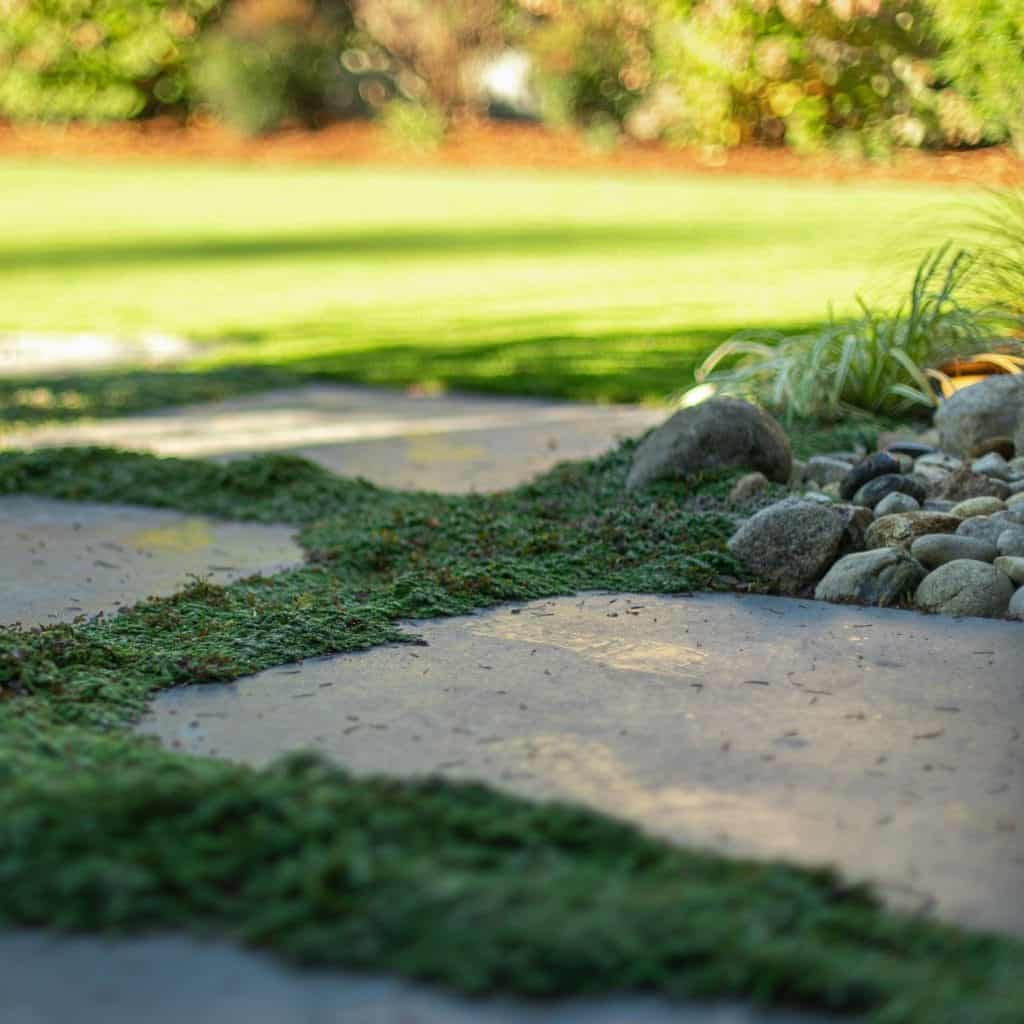
Many options surpass a traditional lawn. A meadow-style lawn filled with native grasses offers a soft, natural look with minimal upkeep. Using drought-tolerant plants as a living ground cover is another great solution. Areas of river rock or bark mulch can also be used to define spaces and create visual interest.
Ground Covers That Suppress Weeds
A dense, living ground cover is a powerful weed-suppressor, creating a thick mat that prevents unwanted growth. A layer of bark mulch or decorative gravel also works well, especially when bordered with steel edging to keep it in place. By choosing the right material, you can spend less time weeding and more time enjoying your yard.
4. Create Visual Impact with Thoughtful Hardscaping
Adding hard elements to your outdoor spaces provides structure and visual interest. Hardscaping with materials like pavers, stone, or gravel is a durable way to enhance your curb appeal. The right materials can make a small front yard feel more organized and polished.
Select the Right Stone or Paver Material
Choosing materials that complement your home’s exterior is a good idea. Pavers come in many styles and colors, allowing for a custom look. For a natural feel, consider using river rocks or local flagstone. Durable and beautiful, permeable walkways are a practical choice for areas that get a lot of rain.
Build a Welcoming Path to Your Door
A well-designed garden path acts as a guide to your front door and adds a lot to your property value. Creating a gentle curve can make the path appear longer and more inviting. Use steel edging or concrete edging along the sides of the path to keep materials neat and prevent them from shifting over time.
Use Mulch and Gravel to Define Areas
Materials like bark mulch and gravel are excellent for defining separate garden beds or flower beds. A layer of mulch helps suppress weeds and retains moisture, a practical benefit for plants. Using different materials to create distinct zones helps a small yard feel more dynamic and purposeful.

5. Master the Art of Working with Shade
Many Washington State homes have yards with significant shade, often due to mature trees or the home’s orientation. Rather than seeing shade as a problem, you can turn it into an opportunity. Shady spots can become cool, tranquil retreats with the right gardening and landscaping choices.
Identify the Specific Kind of Shade You Have
Not all shade is equal. A spot with dappled light under a tree is very different from a dark corner against the house. Observing how much direct sun an area receives throughout the day is the first step to choosing the correct plants. This information will guide you toward selections that will thrive rather than simply survive.
Top Plants for Pacific Northwest Shady Yards
Many beautiful native plants flourish in low-light conditions. Shade-tolerant options for your flower beds include certain ferns and hostas. For a small tree, a Japanese maple or Acer bloodgood provides beautiful foliage and structure. The versatile dwarf Alberta spruce also adapts well to some shade.
Brighten Dark Corners with Smart Color Choices
Colors can visually brighten a shady corner. Use plants with light-colored blooms or variegated leaves to help reflect light. Examples include silver-leafed hostas. They also have hydrangeas that produce white flowers. A light-colored container garden can also add a splash of brightness and a focal point to an otherwise dark space.
6. Keep Maintenance Easy So You Can Enjoy Your Yard
A low-maintenance yard means more time to relax and appreciate your space. With a small front yard, every choice, from watering methods to plant selections, can reduce the amount of time you spend on upkeep. Smart planning leads to a beautiful and effortless outdoor area.
Drip Irrigation and Self-Watering Pots
Automated watering systems can save time and effort. A simple drip irrigation system with drip lines delivers water directly to plant roots, leading to significant water savings. For a container garden, self-watering pots are an excellent option. A well-designed irrigation system is more efficient than using watering cans all the time.
Choose Plants that Avoid Constant Pruning
Selecting plants with a mature size that fits your space is a simple way to cut down on work. Rather than choosing fast-growing bushes that will need frequent trimming, opt for dwarf varieties or slow-growing species. Ornamental grasses and smaller shrubs are a great choice, as they require little more than an annual trim.
Smart Strategies to Control Weeds Naturally
A thick layer of bark mulch is a natural and effective way to suppress weeds by blocking sunlight. Another effective method is planting a dense ground cover to crowd out unwanted growth. Using these natural strategies can reduce the time you spend weeding.
Table: Small Front Yard Budgeting and Project Planning
| Project Phase | Estimated Cost | Details and Tips |
|---|---|---|
| Hardscaping | Medium to High | Pavers, retaining walls, and permeable walkways. Research material costs and consider DIY to save money. |
| Planting | Variable | Depends on the number and type of native plants or other choices. Buying smaller plants or in bulk can lower costs. |
| Irrigation | Low to Medium | A drip irrigation system is a long-term investment that provides water savings. Can be installed yourself. |
| Labor | High | The most expensive part if you hire a landscape professional. Save money by doing the work yourself. |
| Total | Varies widely | Creating a detailed plan and budget will help you control expenses. Focus on landscape features that give you the most impact for your money. |
7. Attract Beneficial Pollinators and Wildlife
Your small yard can be a haven for beneficial wildlife, from bees and butterflies to songbirds. Creating a supportive ecosystem adds more value to your gardening and landscaping work. By making a few simple adjustments, you can invite nature into your outdoor spaces.
Create a Habitat with Native Plants
Native plants are perfectly suited to the local Washington climate and provide a natural food source and shelter for local wildlife. They support a healthy ecosystem and require less care than non-native species. Selecting native grasses and wildflowers is an excellent way to start.
Design Your Yard to Be a Bee and Butterfly Haven
Pollinators are drawn to flowers of various colors, shapes, and bloom times. Planting a diverse mix of flower beds and a container garden with different bloom schedules provides food from spring through fall. A water feature, even a small birdbath, gives pollinators and birds a place to drink.
Protect Your Plants from Common Pests Like Deer
Wildlife can sometimes be a challenge. If deer are an issue, consider using privacy bushes or other plants that are naturally deer-resistant. A strategic layout can also help, as a dense garden path or a low fence may deter them from entering certain areas. A balanced ecosystem with helpful insects can control pests naturally.
8. Make Your Front Entryway Pop for Maximum Curb Appeal
The front entry is the focal point of your home’s exterior and a powerful way to boost your property value. Focusing on this small area can have a huge impact on your home’s curb appeal and overall esthetic. A little effort here goes a long way.
Best Use of Potted Plants and Planters
Potted plants provide color and versatility right at your doorstep. A container garden with seasonal flower beds can be changed throughout the year. Consider a pair of symmetrically placed pots on either side of the door. A Japanese maple or dwarf Alberta spruce can serve as a permanent, elegant feature.
Incorporate Small Architectural Details
Small architectural features add character to the entry. A new light fixture or updated house numbers can modernize the space. A welcoming bench or small outdoor seating area can make the entry feel more inviting. These additions give the area a polished, finished feel.
Choose a Door Color That Complements Your Landscape
The color of your front door is an opportunity to tie everything together. Choose a color that complements your home’s siding and the plants in your garden beds. A bold color can make the door pop, while a subtle color can create a calm, cohesive look.
Frequently Asked Questions about small front yard design ideas
1. How can a sloped yard be managed in a small space?
A sloped lot can be handled by building a retaining wall to create flat tiers for planting. You can also design garden slopes with native plants that prevent erosion and make the most of your hillside yard.
2. What are some eco-friendly watering options for a small yard?
Consider setting up a rain catchment system with rain barrels to collect water for your plants. You can divert downspouts to send rainwater into rain gardens. This is another eco-friendly option. You can also use a well-planned sprinkler system to water efficiently.
3. How do I add lighting to a small front yard?
Strategic landscape lighting can highlight specific landscape features and create a welcoming ambiance. Options like path lights, spotlights, and outdoor lights can make a small yard feel bigger and safer at night.
4. Can I grow vegetables in a small front yard?
Yes, a small vegetable garden can be grown using raised beds or a container garden. You can also mix vegetables in with your ornamental plant suggestions for a functional and beautiful design.
5. What are some ideas for hardscaping on a budget?
Using locally sourced materials can reduce costs for hardscaping. Consider simple wavy edging with repurposed bricks or a gravel path with a border of river rocks to create a defined look without a high price tag.
6. How does small yard landscaping affect my home’s resale value?
High-quality small yard landscaping significantly increases resale value and curb appeal. A well-maintained and thoughtfully designed front yard is a major selling point. This is especially true if it has appealing watering features or a nice patio.
7. What are some good plant suggestions for a small front yard?
Choosing plants that fit the space and require minimal care is a good idea. A few suggestions are:
- Low-growing ground covers
- Dwarf shrubs like the dwarf Alberta spruce
- Colorful flower beds that are a good fit for your local climate.
Conclusion
A personalized garden design for your small front yard is within reach. By using smart gardening and landscaping principles, you can make a beautiful and useful outdoor space. This space will show your personal style. It’s time to start planning your transformation.
Book a free consultation today to create your custom front yard plan.