
Adding a water feature to your garden is a creative way to attract local wildlife. The sound of moving water from a small fountain or dripping feature can attract many bird species. Using native plants and natural materials helps create a healthy ecosystem, and a water pump can prevent pests like mosquitos. Also, prepare your water feature for winter by protecting re-circulating pipes and providing a heated water source. Adding water features that attract local wildlife will make your outdoor living space a true sanctuary.
Life+Land Lessons
- Moving water from a fountain or pump attracts more bird species.
- Even a small yard can be a wildlife haven with a container pond.
- Native aquatic plants support local ecosystems and wild animals.
- Place your water feature in an open area to keep visitors safe from predators.
- Use natural materials like rocks and gravel to make entry and exit easy.
- Shallow water is best for birds and small pollinators.
- Moving water and beneficial fish are natural ways to prevent mosquitoes.
- Prepare your water pump and plumbing for freezing temperatures.
- A heated birdbath offers a water source during winter.
- Keeping a garden journal helps you track the wildlife you attract.
Table of Contents
What Kind of Water Features Attract the Most Wildlife?
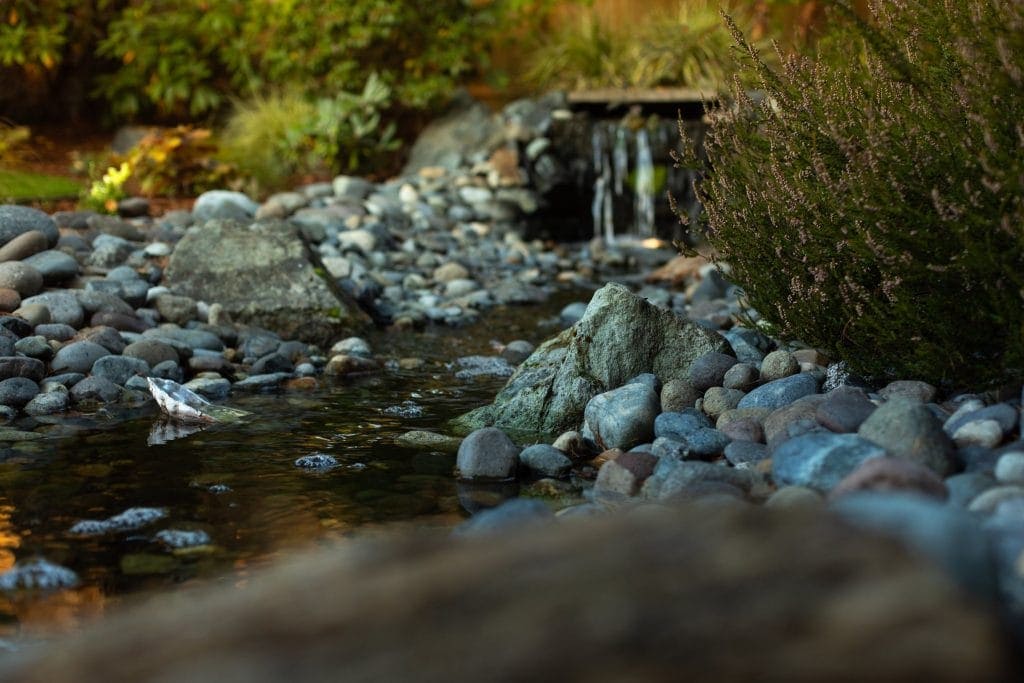
The type of water feature you choose will directly influence the wild animals it attracts. Moving water works very well. A water pump moves and circulates water. It copies a natural stream. Many bird species find this very attractive. You can install a cascading stream or a small fountain with a recirculating urn to create this effect.
Even a simple dripping water feature or a solar fountain can catch the attention of nearby birds. The sound of water cascades acts as a signal that a reliable source of water is nearby, making it a powerful tool for creating a bird habitat.
The magnetic pull of moving water
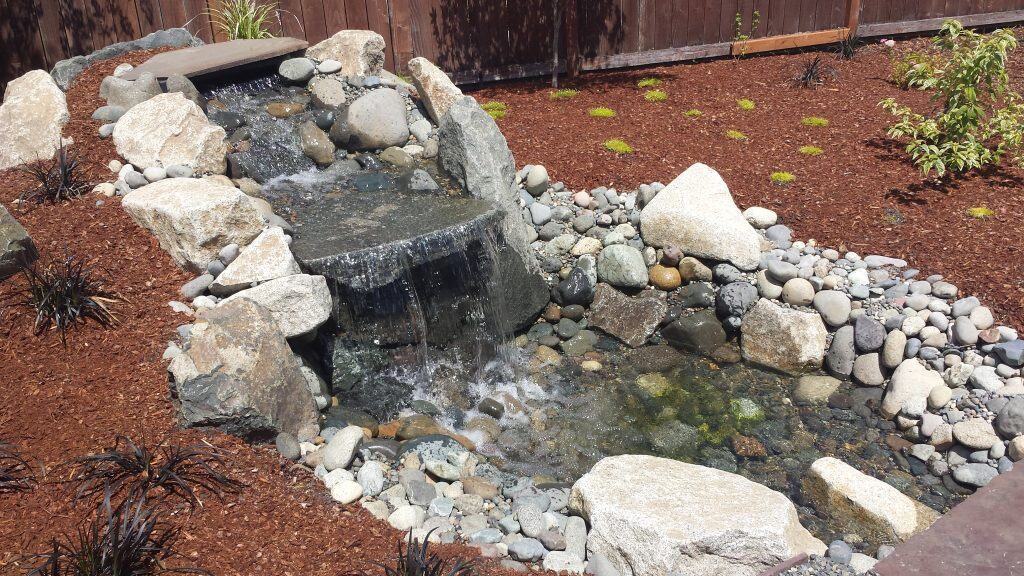
Small fountains, pondless waterfalls, and other features that move water attract birds. The sound and shine of moving water show that the water is clean. A cascading tiered fountain can attract a variety of species, from tiny hummingbirds to larger birds seeking a place to bathe.
Still water features that still get results
Still water features also create a valuable wildlife haven. A simple bird bath or a container pond filled with aquatic plants like water lilies provides a place for frogs, dragonflies, and other creatures to drink and lay eggs. Still water lets helpful bacteria grow. These bacteria improve the water quality.
Every yard needs a puddling station
A puddling station is a very shallow, water-filled clay dish that offers a safe drinking spot for butterflies and bees. It is a simple and effective way to help good pollinators. It also works well with larger water features by attracting different visitors.
Table: Popular Water Features and the Wildlife They Attract
| Water Feature Type | Wildlife Attracted | Best For |
| Bird Bath | Bird species, bees, small insects | Providing a simple drinking and bathing spots, small yards, patios |
| Pondless Waterfalls | Birds attracted by sound, dragonflies, small mammals | Low maintenance, visual appeal, creating a tranquil sound |
| Container Pond | Frogs, toads, aquatic insects, dragonflies | Small spaces, balconies, creating a mini ecosystem |
| Wall Fountains | Birds, butterflies, beneficial insects | Patios and vertical garden spaces, creating a gentle sound |
| Wildlife Pond | Frogs, turtles, native species, aquatic insects | Creating a complete, self-sustaining ecosystem with native plants |
The Best Location for Your Wildlife Water Feature
Placing your water feature in the right spot can greatly increase its effectiveness in creating a wildlife haven. Consider a spot with some dappled shade, which helps to slow algae blooms and keeps the water quality higher. Positioning a bird bath or wall fountain near existing bird feeders can quickly attract bird species to the new water source.
How to choose a spot for maximum visibility
For your own enjoyment, place the feature where you can view it from a window or a seating area. Having a clear line of sight allows you to use wildlife cameras to observe wild animals in their new habitat. A central spot in your garden design can make the feature a focal point, drawing attention to the native species that visit.
Create safe entry and exit for local creatures
This helps to provide a gentle slope or some natural material like large rocks. These help animals get in and out of a wildlife pond or container pond. Small creatures like frogs, lizards, and beneficial insects need easy access to water.
- Add a few smooth, flat stones to the edge of the feature.
- Partially submerge a log or branch to create a ramp.
- Use a variety of gravel sizes to build a shallow, natural-looking slope.
Protect your wildlife visitors from predators
Avoid placing your water feature too close to dense shrubs or bushes where predators could hide. A small fountain or pondless waterfall should have an open area around it so visiting birds and other wildlife feel secure. An open space makes it easier for them to spot potential threats.
Small Yard Solutions for a Water Feature
Even the smallest yard can become a wildlife habitat with the right water feature. Small spaces are perfect for features that add a touch of tranquility without requiring extensive construction. A small fountain or several container ponds can add water to your patio or balcony. They attract birds and other wild animals.
Tabletop and container water features
A tabletop water fountain or a DIY container pond can transform a small area. Using a large pot or basin, a small water pump, and some native aquatic plants, you can create a beautiful and functional wildlife haven. These portable features offer great flexibility and can be moved to a different spot in your garden design if you want to change things up.
Add a small bird bath
A bird bath is perhaps the easiest way to add a water feature to a yard of any size. Place a shallow clay dish on a pedestal or on the ground and fill it with fresh water. Bird bath ponds, which are slightly larger and offer more depth, can also be a simple solution. Birds will quickly find the water, providing you with immediate results. For colder climates, a heated birdbath can be a lifesaver for winter wildlife.
Create a simple pond in a pot
A container pond is a simple way to introduce a wildlife pond to a small outdoor living space. Fill a large, waterproof pot with a layer of gravel, then add a few native aquatic plants like lily pads and Swamp Milkweed. The small ecosystem will balance itself naturally. Helpful bacteria will keep the water quality high.
Selecting Aquatic Plants and Materials for Local Wildlife
Creating a successful water feature involves more than just adding water. The materials you use and the plants you choose are directly connected to its success as a wildlife habitat. Natural materials create an environment where local creatures feel secure, while native plants provide food and shelter.
Choose native plants for a thriving ecosystem
Adding native aquatic plants to your wildlife pond is a fantastic way to support local native species. Plants like Swamp Milkweed and lily pads offer shelter and a place for dragonflies and other insects to lay eggs.
Native plants are already suited to the climate. They attract certain pollinators and other wild animals. A native garden phlox can be planted near the water’s edge to provide additional food sources and color. This approach fights habitat destruction. It creates a small, self-sustaining ecosystem.
Use natural rocks and gravel for safety
Natural materials like rocks, pebbles, and gravel are excellent for providing secure footing for birds and insects. Use a variety of sizes and shapes to create a natural-looking edge for a wildlife haven. A simple bird bath with a few large stones gives birds a stable place to perch and drink. A small fountain can also be accented with natural rock to create a seamless look.
Avoid harmful materials and chemicals
Using certain chemicals can harm water quality and poison visiting wildlife. Avoid treated wood or synthetic materials that can leach toxins into the water. Instead, opt for terra cotta, stone, and other natural materials. It is also wise to steer clear of pesticides and herbicides in the surrounding area, as they can easily contaminate the water source.

Designing for Different Types of Creatures
A water feature can be a haven for a variety of wild animals, but each species has its own needs. Customizing your design to meet the needs of different creatures will make your water source a more effective wildlife habitat. From a simple bird bath to a complete wildlife pond, every element can be personalized.
Attract birds with the right water depth
Bird species prefer shallow water for bathing and drinking. The ideal depth for a bird bath is about 1 to 3 inches. A dripping water feature or a misting water feature will also attract birds with the sound and motion of the water. Consider adding a heated birdbath for a year-round water source that helps birds in the colder months.
Attract bees and other pollinators
Pollinators like bees and butterflies need a safe place to drink without the danger of drowning. A very shallow clay dish filled with water and a few small pebbles or marbles provides the perfect spot. Bees can safely land on the stones and drink without falling in.
- Place a shallow, non-slip container near your native flowers.
- Fill the container with clean water and small rocks for landing pads.
- Use a shallow bird bath and add a few large, flat stones for a similar effect.
Create a welcoming home for amphibians and reptiles
A wildlife pond with a sloped edge and submerged rocks is a perfect spot for amphibians and reptiles. They need a way to get out of the water easily. Adding native aquatic plants like lily pads provides shelter and a place to rest. The pond becomes a thriving ecosystem where frogs and turtles can find food and a place to live.
Preventing Mosquitoes and Other Pests Naturally
A water feature can be a great wildlife haven, but it is important to avoid creating a breeding ground for mosquitoes. Maintaining a balanced ecosystem within your water feature is the most effective and natural way to keep pests in check.
The magic of moving water
Mosquitoes prefer to lay their eggs in stagnant, still water. A water pump that creates continuous water movement and water circulation in a fountain or pond is one of the easiest ways to prevent them from settling. A small fountain with a constant flow or a cascading stream will deter mosquitoes from your yard, keeping your outdoor living space comfortable.
Add beneficial fish to your pond
If you have a wildlife pond, a simple and highly effective solution is to add mosquito-eating fish. These small fish will consume mosquito larvae before they have a chance to mature. For container ponds and smaller water sources, BTI mosquito dunks are another excellent choice. BTI is a natural bacteria. It targets mosquito larvae without harming other animals.
Maintenance tips for clear, healthy water
- Remove decaying leaves and debris regularly to prevent algae blooms.
- Maintain the right water chemistry to support a healthy ecosystem.
- Use beneficial bacteria products to help keep the water clear and free of pathogens.
Regular cleaning of a bird bath or wall fountains also helps to remove mosquito eggs and maintain a clean water source for bird species.
Preparing Your Water Feature for Washington Winters
In Washington state, winter weather can present a challenge for water features. Proper preparation is needed to protect your water pump, plumbing, and the wildlife haven you have created. Taking a few simple steps will ensure your water feature is ready to go again in the spring.
Protect pumps and plumbing from freezing temperatures
A water pump should be removed from your small fountain or pondless waterfalls before the first hard freeze. Store the pump in a bucket of water in a cool, sheltered area, which prevents the seals from drying out. Drain all recirculating pipes and the water cascades to prevent cracking caused by expanding ice.
What to do with your pond fish and plants
Fish in a wildlife pond can be left to overwinter as long as there is an area of the pond that remains unfrozen for gas exchange. For native aquatic plants in a container pond, you can either sink the pot to the deepest part of the pond or bring them indoors. Plants like lily pads and Swamp Milkweed are quite hardy but benefit from protection from a full freeze.
Provide water for winter wildlife
While your main water feature may be dormant, you can still provide a source of water for wild animals. A heated birdbath or a simple clay dish with a small heater will give bird species access to water when all other sources are frozen. A heated water source is a lifesaver for birds and can be a popular spot for them throughout the colder months.
Table: Year-Round Water Feature Maintenance in Washington State
| Season | Key Actions | Why It Matters |
| Spring | Clean out debris, check for damage, start up the pump | Prepares the water feature for the active growing season |
| Summer | Top off water regularly, remove algae and debris, check water quality | Maintains a healthy habitat and prevents pest issues |
| Fall | Remove leaves, drain some water, prepare for winter | Prevents heavy decay and readies the feature for the cold months |
| Winter | Store the pump and drain plumbing, or use a heated birdbath | Prevents freeze damage and provides a water source for winter wildlife |
Enjoying and Observing Your New Wildlife Habitat
Once your water feature is established, the fun begins. The most rewarding part of creating a wildlife haven is the chance to observe the new visitors and enjoy your outdoor living space. With a little planning, you can make the most of your new water feature.
Set up a comfortable viewing area
Position a bench or a few chairs near your water feature. Placing a small fountain or a bird bath where you have a clear line of sight allows you to watch the wild animals that come to visit. A wildlife camera is a great tool. It helps you watch animals that are active at night or take pictures of shy birds.
Use native plants as a noise buffer
Your water feature can be a source of calm and tranquility. You can surround your water feature with native plants and other local vegetation. This helps block outside noise. It creates a peaceful garden design. The cascading sounds from your fountain or waterfall will become the dominant sound, creating a serene environment. Native ground covers can also be used to create a soft, natural border around your water source.
How to keep a detailed garden journal
Keeping a garden journal is a great way to track the wildlife that visits your garden. You can record which bird species visit your bird bath, what time of day they are most active, or when a new frog takes up residence in your wildlife pond. A journal provides a valuable record of the evolving ecosystem you’ve created, and it can also help you note any changes in water quality or plant health.
Frequently Asked Questions about Water Features That Attract Local Wildlife
1. How can I attract hummingbirds to my water feature?
Hummingbirds are particularly drawn to moving water. A small mister or a dripping water feature near hummingbird feeders can be highly effective. The tiny droplets provide a refreshing mist and a visual signal that attracts them to your garden.
2. Do I need a lot of space for a wildlife pond?
No, you can create a wildlife pond even in a small area. Many people opt for DIY ponds in a container or a small pre-formed basin. Even these smaller water sources can become valuable wildlife habitat.
3. What is the easiest way to prevent mosquito larvae?
The simplest method is to use a water pump to keep the water moving. For ponds, adding mosquito-eating fish provides a natural form of pest control. BTI mosquito dunks are also a safe and effective option.
4. What is a keystone species and how do water features help them?
A keystone species has a very large effect on its ecosystem. Water features can support them by providing a needed resource, which in turn helps a wide variety of other creatures. The presence of a water source can improve the entire ecosystem.
5. How do I clean my water feature without chemicals?
You can use a net to remove leaves and debris regularly. A water pump and re-circulating pipes help maintain water quality. For a deeper clean, drain the water and scrub the surfaces with a brush, avoiding harsh cleaners.
6. Can a fountain be a good water source in the winter?
A standard fountain is not good for winter because the water pump and pipes can freeze. However, a heated birdbath provides a reliable source of water for birds and other animals during the colder months. It is a simple way to offer support.
7. Are there organizations that offer guidance on creating a wildlife habitat?
Yes, several groups can offer support. The National Wildlife Federation offers great resources to help you create a certified wildlife habitat. Local and state groups, such as the U.S. Fish and Wildlife Service, also offer a variety of helpful tips and guides.
Conclusion
Bringing a water feature to your outdoor living space is a simple way to create a thriving wildlife habitat. By starting with a small fountain or a bird bath, you can observe the wild animals that visit and gradually expand. A personalized approach makes a difference.
Ready to create your own wildlife haven? Book a Free Consultation today to get started.